
Regional identity and contemporary expression in Eastern Indonesian arts
Eastern Indonesia is an underacknowledged region in art history, and the primary 'viewpoint' or 'place' through which this research will attempt to carve out an alternative understanding of recent Indonesian art history.
In 2025, Catilin Hughes examined the National Library's holdings of material relating to Eastern Indonesian history, arts and culture. She also undertook a comparative study into the general holdings of contemporary Indonesian art after 1998, aiming to trace the trajectory, and emergence of alternative ways of understanding contemporary arts in both intra-national and international contexts.
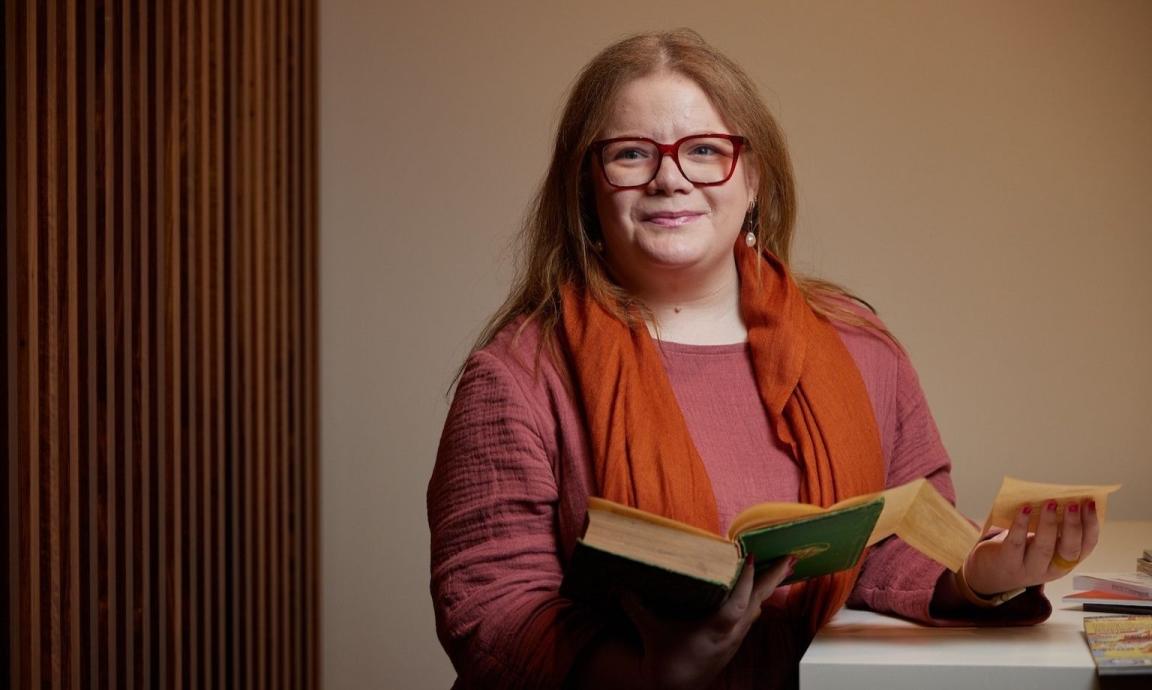
Caitlin Hughes, 2025 National Library of Australia Scholar
Caitlin Hughes, 2025 National Library of Australia Scholar
What are you researching and how did you first become interested in this topic?
My research examines the expansion of wacana (discourses) for art in Indonesia after 1998. In particular, I consider the role of artistic media (film, literature, performance, publications and ‘new media’ arts) in shaping and facilitating these discussions. 1998 marked a rapid shift in Indonesia’s political climate, becoming a post-authoritarian era of Reformasi (Reformation). There were new discussions arising at the time about regionality and local identity, and also about artistic discipline.
These were intertwined debates, not separate. Indonesian art history often emphasizes the idea of seni rupa (visual art). But seni rupa is primarily based on an understanding of art shaped in Java – Indonesia’s most populous island, where most of the artistic infrastructure, art schools and art ‘centres’ are located. A significant part of my research has been on understanding the experiences of artists from outside Java – their attitudes and imaginations for reshaping this idea.
It is important to note that different cities and islands around Indonesia have their own grounded, locally-specific ways of thinking about art, especially in contemporary contexts. As such, there was a growing sentiment from artists (both from Java but especially on islands outside of Java) that seni rupa was insufficient as a whole framework for thinking about art. In tracking key events and ideas through art history, it is clear that the primary forums for exploring and expanding art’s new possibilities are through artistic media.
I first became interested in Indonesian art (and travelled across Java and Bali) when I studied at the Australian National University during my undergraduate years. During PhD fieldwork, I returned to Indonesia and extended this scope to Eastern Indonesia. More broadly, my research has also explored themes of urbanism, public art, ideas of ‘play’ in art and environmental themes. I like finding and making unexpected connections – across disciplines and between places. Interdisciplinary concerns have become a framework to think about art from new angles.
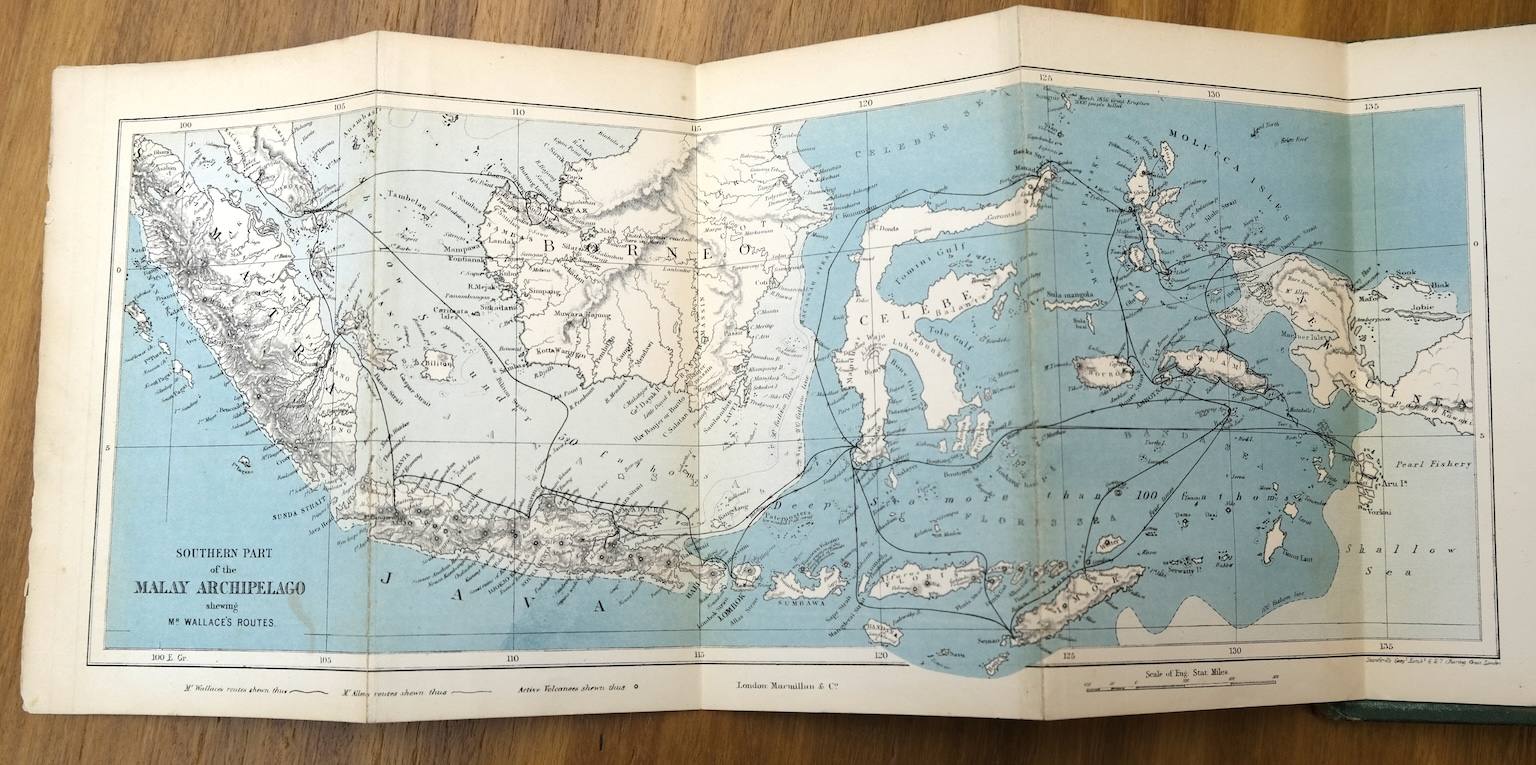
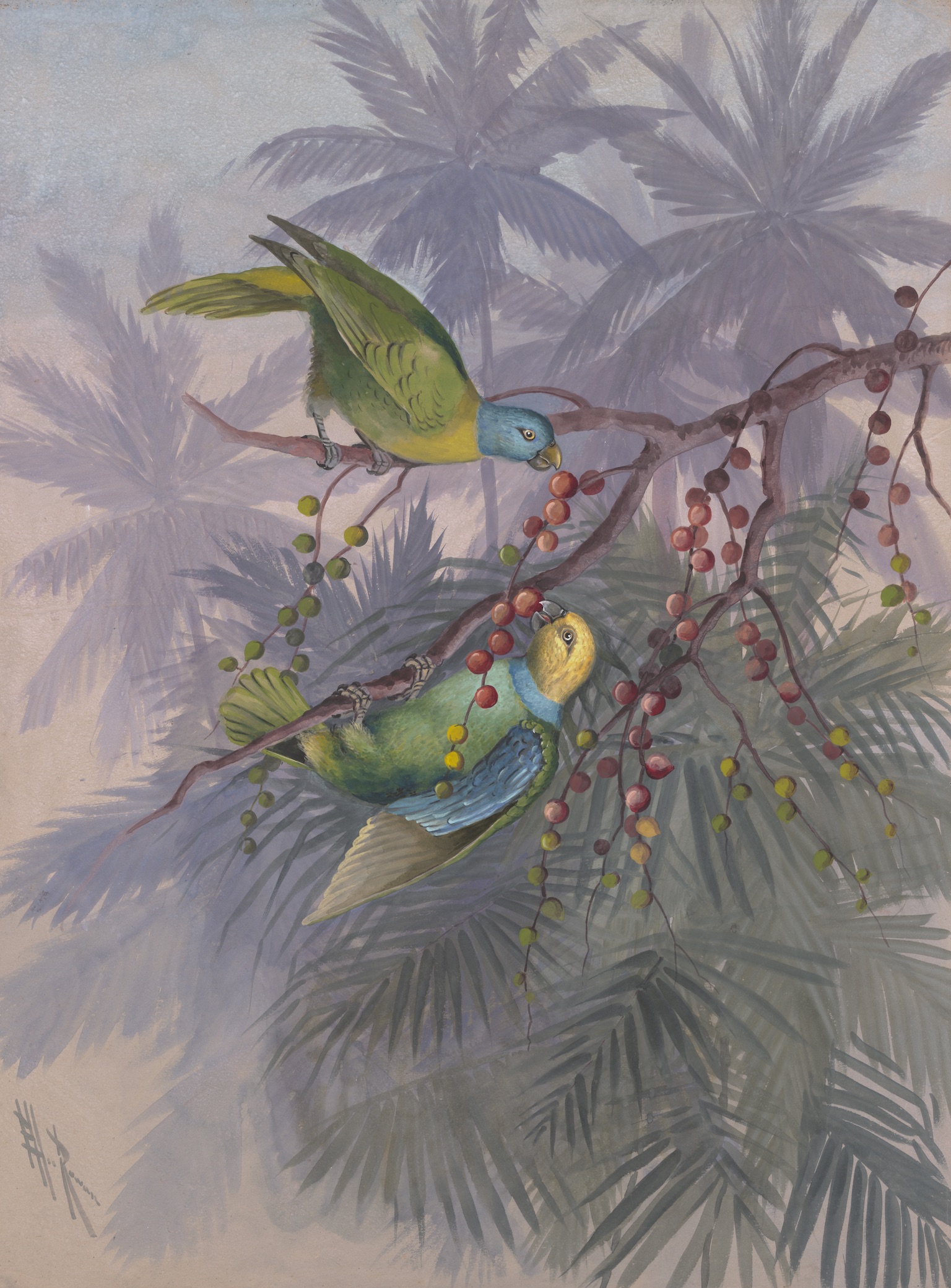
Alfred Russel Wallace, The Malay Archipelago, the land of the orang-utan and the bird of paradise : a narrative of travel, with studies of man and nature, 1872, nla.cat-vn2714863
Why did you want to research at the National Library?
At the National Library, my project was titled, "Regionality and Contemporaneity: Eastern Indonesian Art/s and its Intra- and International Flows". Eastern Indonesia is an underacknowledged, but no less important region in current art-historical writings. It has long histories of interdisciplinary art. And today, it is home to really exciting developments in art. Think short film, media arts (especially light art), theatre, literature, photography, performance art and hip-hop music.
There is a strong pattern of film, literature and theatre arts in Eastern Indonesia. This media triangle is the primary starting point for understanding current art discourses, rather than any single idea of ‘high art’ or ‘fine art’.
Mainstream art history in and about Indonesia overwhelmingly focuses on the island of Java. I wanted to write history that can restore some balance. The archive is central to this, so I have used the Library’s collection of Indonesian books, magazines, films and newspapers to write this history.
What did you find most surprising about the collection material you were working with?
The Library has impressive stacks of Majalah Gong (Gong Magazine), a popular arts magazine that ran from 1999 to 2010, that was always keen to platform various regional experiences. Gong featured advertisements for film workshops, articles about Marraga (a Bugis ball game) and Lombok traditions. I also found a 1950s-era culture magazine titled Sulawesi. Sulawesi was published by a group named the Inter-Island Publishers. I knew ‘inter-island’ ideas were significant in South Sulawesi around 1999, but this proved the idea had a far longer history.
Text and media have always been important for spreading ideas nationally and narrating contemporary experiences across islands. I noticed this pattern again when reading the Library’s anthologies from the (comparatively more recent) Makassar International Writers Festival, founded in 2011, and again through the comprehensiveness of the Library’s Indonesian film collection.
Fascinate us with a story about something you discovered...
At the Library’s Special Collections Reading Room, I read Alfred Russel Wallace’s The Malay Archipelago. It’s the kind of book we expect to see in a museum. It is a simple, antique green book, yet it offers an important understanding of the environments-in-common linking Australia and Eastern Indonesia (the Wallace Line).
The book was published in 1869 and contains stories of travel around Makassar and Ternate in North Maluku. The climates, flowers and animals Wallace wrote about still surround us, but this book was published 150 years ago.
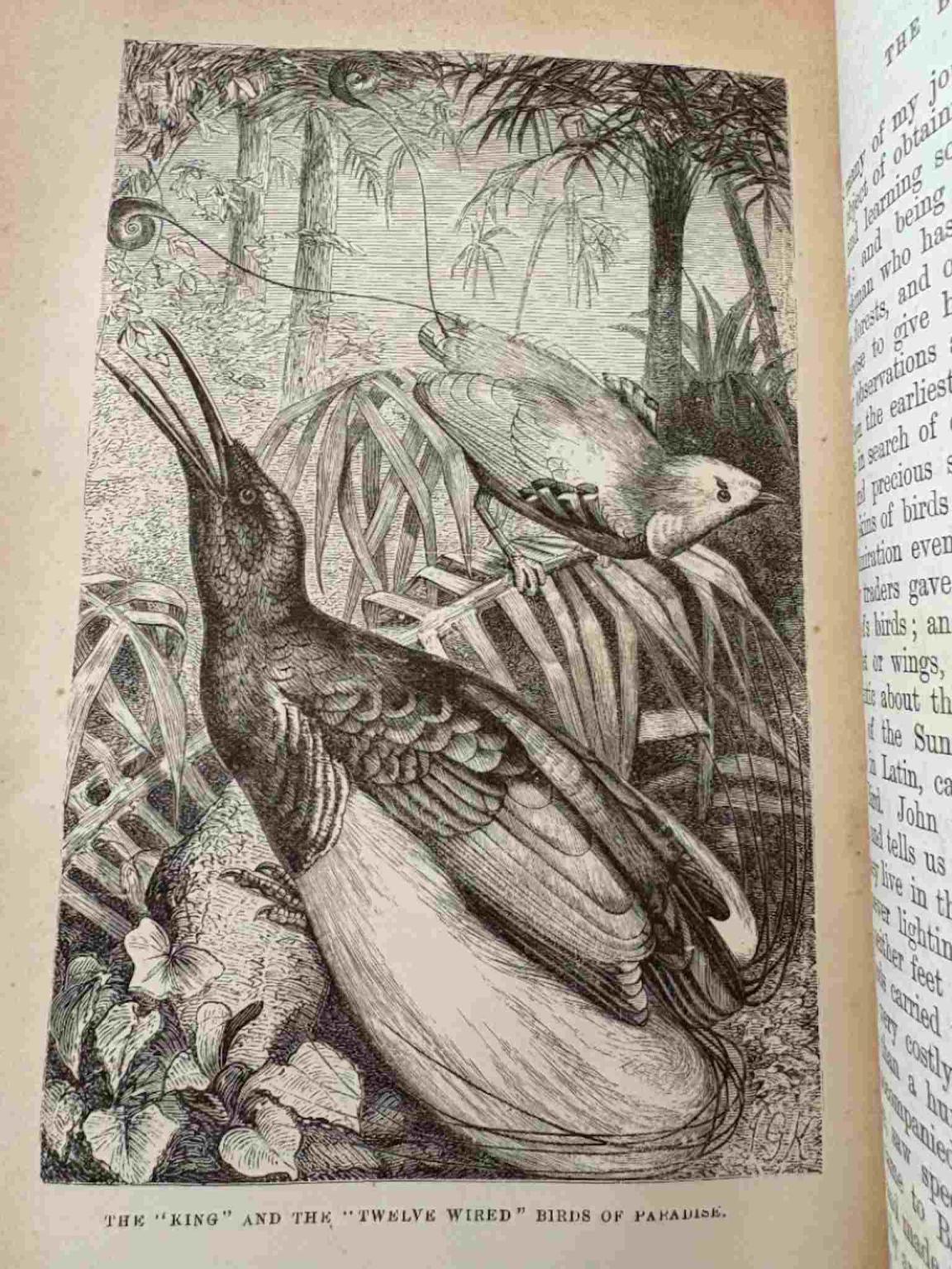
Alfred Russel Wallace, The Malay Archipelago, the land of the orang-utan and the bird of paradise : a narrative of travel, with studies of man and nature, 1872, nla.cat-vn2714863
Alfred Russel Wallace, The Malay Archipelago, the land of the orang-utan and the bird of paradise : a narrative of travel, with studies of man and nature, 1872, nla.cat-vn2714863
How are you planning to use what you’ve discovered through our collections?
The material will primarily be used to write my PhD dissertation. I also plan to use some of the resources in publications and presentations. More broadly, my time at the Library has shown me the importance of making history accessible. There needs to be more archival visibility for Eastern Indonesian arts history, both nationally (in Indonesia) and internationally, especially in Australia.
Would you recommend the National Library of Australia Scholarship program to others?
The depth of collection material is seen in so many parts of the Library’s Indonesia collection. I can especially recommend the Scholarships program to anyone researching Indonesian history, because the resources are thorough. As well as this, the support from the Library staff has been brilliant. Staff are genuinely interested in your findings and in how you use the collection.
Caitlin Hughes is a 2025 National Library of Australia Scholar in Asian Studies, supported in memory of Cheng King Law.