

Two wheels to adventure: Bikes and why we love them
Tony Wheeler AO (founder of Lonely Planet) and historian Dr Daniel Oakman joined the Library's Dr Rebecca Fleming in conversation, drawing on the Library's incredible collections to discuss all things cycling.
From small commutes to epic journeys, home-made contraptions to technical wizardry, we heard about why cycling remains one of the world’s most popular and enjoyable methods of travel, and how it continues to evolve.
Event video
Two wheels to adventure: Bikes and why we love them
Daniel Gleeson: Good morning everyone. Before we begin, I would like to acknowledge and pay my respects to the traditional owners and custodians of this land and through them to all Aboriginal and Torres Strait Islander people. I would also like to acknowledge Dr Marie-Louise Ayres, Director General of the National Library, who has elected to join us here this morning. I'd also like to welcome any and all representatives of Pedal Power. I myself, a proud member of Pedal Power.
My name is Daniel Gleeson. I'm the Director of Community Engagement here at the Library, but I'm also a very keen cyclist and so I absolutely jumped at the opportunity to introduce this awesome panel discussion about cycling. But I must express the Library's thanks to you, Tony, for your generous philanthropic donation to the Library, which has allowed us to digitise a large selection of cycling serials and to make them freely available to everyone through Trove.
They are such a wonderful resource, and I've really enjoyed going back through those serials and reminiscing about toe cage pedals, Rosebank Stack hats, those little cycling flags and sidewall dynamos. But I also found an editorial in the October, 1930 edition of Australian Cycling, which really was despairing at calls by the New South Wales government for cyclists to contribute to the cost of building the Sydney Harbour Bridge.
This was because at that time, the government claimed there were more cyclists than any other vehicle on the roads of Sydney. And elsewhere, there was a beautiful quote, which I can't help but read to you. 'When one strikes form in cycling, whether on tour or in racing, one experiences, the loveliest sensations, he is a master of his machine and of himself of time and space, a potential king. So thank you so much, Tony, for your wonderful contribution.
Now let me introduce our panel this morning. Tony Wheeler is an Australian publishing entrepreneur, businessman, and travel writer. He co-founded the Lonely Planet Guidebook company with his wife, Maureen Wheeler. Tony has been described as the trailblazing patron saint of the world's backpackers and adventure travellers.
Since departing Lonely Planet, Tony has kept busy with the Wheeler Institute at the London Business School, concentrating on entrepreneurship in the developing world, the Wheeler Centre in Melbourne for Books, Writing and Ideas, the Wheeler History of Travel Writing Programme at Warwick University in England, and Planet Wheeler Foundation's education and health projects in the developing world. Tony's bicycle stable includes one in London, which he rode from London to Paris a few years ago, and 3 bicycles down in Melbourne. He has a folding Brompton with him today in Canberra.
Tony Wheeler: Outside.
Daniel Gleeson: It's also my pleasure to introduce Dr Daniel Oakman. Daniel is a writer and historian from Melbourne. During a 15 year career as a senior curator at the National Museum of Australia, he curated exhibitions about bicycles, cars, cities, and urban design, including 'Freewheeling', a groundbreaking travelling exhibition about cycling in Australia. In 2005, his 'History of Australia and the Colombo Plan: Facing Asia' was shortlisted for the New South Wales History Awards.
With Melbourne Books, he has published 'Oppy', an acclaimed biography of the sporting icon and politician, Hubert Opperman and 'Wild Ride' in 2020, an immersive exploration of how the bicycle has long shaped understanding of the Australian continent and its people. He published his first novel 'Fire in the Head' in 2025.
Tony and Daniel are joined in conversation by Dr Rebecca Fleming, senior advisor of Digitisation Projects in the Collection Branch at the National Library of Australia. Now, Rebecca, let me have a sneak peek at some of the material that she has found in the collection, which you'll see displayed this morning, and they're just fabulous. So without further ado, please join with me in welcoming Tony Wheeler, Dr Daniel Oakman in conversation with Dr Rebecca Fleming.
Rebecca Fleming: Thanks so much, Dan, and thank you all for coming out today. We are so excited to share with you some of the beautiful collections that have been digitised and also just have some great conversations about cycling. We have two wonderful experts here who are going to share some amazing stories and you'll see on the screen. We also have some incredible photographs that have been digitised in the collection, cycling photographs from over a century. They're just amazing. So you'll see them here in the live audience.
You'll see them flick through behind us roughly in chronological order, and for people online, some of them will pop up occasionally, but they can all be found on the catalogue. Have a search for cycling, and I think you might lose a few hours. And then of course, go on to Trove. Now, outside for the people in person, we have a handout with some links to the cycling journals that we've talked about.
So I know you want to go and explore them and find some stories for yourself. What I'll do today is maybe bring out some highlights for you and also have a chat about all things cycling. So I'm going to start us off with a story from the 1890s. It's from the 'New South Wales Cycling Gazette', and it's an account of a ride from Gunning to Temora by Mr NT Collins, who was an experienced cyclist who'd been riding since 1866, and Ms Josie Adams, who had been riding for less than six weeks, and it includes a rather dramatic passage about the rain setting in just after gas. Here we go.
'Before they were halfway to bin along, the clouds gathered rapidly again, and it commenced to rain in Torrens. In 10 minutes, the road was so slippery that it was impossible to ride a wheel for a hundred yards without falling. Soon, the night shut in and the rain continued while the two unhappy tourists walked on for miles, slipping and skating about in the mud and pushing their bicycles, which were gradually getting heavier and heavier with their accumulation of mud and no house or place of shelter in sight.
Finally, to add to their misery, they came to a deep wide creek, swollen by the rain running across the road and no bridge. A search revealed a place where the creek could be crossed on stones, and it seemed like a climax to their troubles for on the other side of the creek shone out the bright lights of a cheery home, which proved to be the homestead of the magnificent Illawong station'.
So the 'Cycling Gazette' has great stories like this one giving us insight into people's experiences, but cyclists were also keen to share their tips and advice for where people might cycle along the same path. Daniel, can you tell us a little bit about Joseph Pearson and his guidebook?
Daniel Oakman: I can. He's a great way to start, I think with Joe Pearson, who most people have never heard of, but he kind of came of age in the great cycling craze in the 1880s and 1890s, and people won't know him for his cycling feat. So he claimed that he was the first person to ride a bike to the top of Mount Kosciuszko, some bit of colourful interpretation there. But his real claim to fame was that he absolute fell in love with New South Wales cycling throughout New South Wales claimed to have covered 260,000 kilometres of his career.
This was before Strava, so he measured it the hard way, but what he really wanted to do was share that knowledge. So he actually produced a map, the first one in 1896, I think, and it was really, if you could imagine a cross between a paper map and ride with GPS and Strava. So it had all the distances between towns where you could find water, where hotels that were welcoming to cyclists, little notes about how difficult the terrain was and how long it might take you, and this was all packaged up into a little small booklet that you could fit into the back of a Jersey pocket or into your pants when you were touring. It's sold in the thousands and really I think introduced a generation of people to cycle touring. It meant Australia was still quite a forbidding place to leave the city limits.
And this map helped people get out there, particularly women too, who could cycle either in smaller groups by themselves or unaccompanied, which was a rarer thing to do. His legacy actually doesn't end there. He went on to work with the New South Wales Department of Tourism, and when you see the little mile markers that you still see today, they're now kilometre markers. Of course, that was his idea. He advocated for that because people riding bikes like to know exactly how far it is before they get to the next resupply point, and the brown signs you see today, the tourism, the point the way to a tourist site. Again, another one of his ideas to open up in New South Wales, which he never lost his love for New South Wales. He didn't need to go anywhere else in the world at all. Yeah, a great character in Australian cycling.
Rebecca Fleming: Wow, that's fascinating. I never would've guessed that it was a cyclist responsible for those.
Tony Wheeler: Look at his bicycle. It looks quite modern, doesn't it? Yeah. And that's 1900.
Rebecca Fleming: Yeah, it's amazing. Tony, a lot about guidebooks to understate it. What do you think attracts people to guidebooks and travel stories?
Tony Wheeler: I think two things. One is that it does give them information on things you think about someplace you just don't know about, and then suddenly you realise, Hey, I can go from A to B. There is a way to do that. There is somewhere I can stay when I get there. So it's that sort of information thing, but also it's the fact that it sometimes pushes people to do things, things they'd sort of dreamt about or the idea had been in their head that they could do this, and the guidebook gives them that little bit of extra inspiration, and I've always enjoyed that aspect of it. People who say, well, I wouldn't have done this if you hadn't pushed me through the door.
Rebecca Fleming: Wow. Yeah. And it sounds like that was the case for Joseph Pearson as well. Fascinating. Speaking of travelling in 1980, Paul and Charlie Farren wrote in one of the magazines in [unclear] about tandeming, riding in the Malay Peninsula on a tandem bicycle. So I've got a little quote here about that particular experiences that they wrote.
'Despite warnings, we were not attacked by tigers, elephants, or communist guerrilla forces, but we did see troops of monkeys, rats, crocodiles, lizards, and after a night patrolling a lonely beach, a solitary egg laying giant turtle, the roads were mercifully flat through endless rubber and palm oil plantations affording much needed shade since the temperatures were up in the high thirties with maximum humidity.
It was a novel situation to be drinking up to two gallons of fluid per day without requiring a single toilet stop. Such traffic as we encountered, and this did include a larger proportion of logging trucks, was exceptionally courteous'. And then they said, 'Having previously travelled through Asia by bus, car, and train, we both agreed our enjoyment by our close contact with people and scenery, which only the freedom and flexibility of the bicycle can provide'.
Tony, we were chatting earlier and you mentioned that you knew Paul and Charlie.
Tony Wheeler: Yeah, Paul unfortunately died just a few years ago, but I do know Charlie very well, still alive. I had lunch with her just about a week ago, and they've got a really in Melbourne, amazing bicycle collection. Bicycles from the era when they were changing so fast, there was a new development every year. The penny-farthing gave way to the safety bicycle. In fact, Charlie, it's actually ridden a penny-farthing from Melbourne to Sydney. I mean, that's a major achievement, but their collection of bicycles is wonderful, and I must admit, I've never been up on a penny-farthing. It's a long way up there, but I have ridden some of her other old bicycles where you have to sort of approach them a bit like you did a penny-farthing. So yeah, she's a real bicycle enthusiast still.
Rebecca Fleming: Yeah. Wow. So how do you approach it differently?
Tony Wheeler: Well, the early safety bicycles, you approach them because they were fixed wheel, like you did a penny-farthing that you sort of pushed along behind and then jumped on from behind. You couldn't just with a modern bike, you put your leg over it and off you go. There was a different technique.
Rebecca Fleming: Yeah. Well, I don't think I'm brave enough for that one. I mean, that quote I found really interesting, and either of you might have thoughts on this, that it feels like an early version of the slow travel movement. What do you think of that?
Tony Wheeler: Yeah, I think so. And I think that bicycles, they do put you in a different context very often. And I've not done, I've got to admit, I've never done any really long bicycle. I've done a thousand kilometres, but that's not across a whole continent or 10,000ks or whatever. But you do meet people more. You mentioned that I rode from London to Paris once when I got a place in London, and I thought, well, I need a bicycle here. So I went out and bought one, and I thought, well, now I need to try it out.
And one of the things there is a club, The Fridays, it's called in London that does weekend rides and so on. And one of the things they do is they do once or twice a year, a midnight ride from London to Brighton, and you just have to turn up at Sloane Square and Chelsea at midnight, and they set off, and you should get to Brighton Pier at 5am. Oh my gosh. And I joined in that once, and that was terrific. It was really well organised. They had a couple of stops on the way, and any difficult junction, they had people there at 2am turn left here, not right, this sort of thing. So yeah, that sort of bicycle riding is a lot of fun.
Rebecca Fleming: You were telling us about the Brompton race as well?
Tony Wheeler: Yeah. Well, my Brompton is outside, fold up, bicycle and Brompton put on an annual race in London, and you have to pretend you're a sort of business person going off to work on your Brompton. So you have to do the race with your briefcase, and the race starts with you're on one side of the road and your folded up Brompton is on the other side, and you have to run across the road, unfold your Brompton, put your briefcase on the back carrier, and then jump on and cycle off.
And it's terrific. It's a great race, but there's always some people who've, they've unfolded their Brompton a hundred, a thousand times, but today when it's a race, they just can't do it. They're moving the wheel the wrong way. They're not putting their, it's so funny. And there's always somebody who when they finally get away, there's a huge cheer for them.
Rebecca Fleming: What amazing races in London. I love it.
Tony Wheeler: Oh, there's any number of races.
Rebecca Fleming: Daniel, what do you think about cycling and slow travel?
Daniel Oakman: Slow travel now, I was complaining to you about this, not to drag the tone of the conversation down. The term irritates me, not because I don't, I mean, I get the impulse, which is to try and reclaim that form of travel, the more immersive kind of travel. The problem I have with it is it's the language of modernity. Slowness was the way that the bicycle was marginalised in Australian culture, very readily Australia rushed to embrace the bicycle in the 19th century, a great fervour behind it, but they turned their back on it just as quickly in the 1940s.
One of the ways they did that was to market out as being slow. If you read the highway codes I have, so you don't have to. Oh, good. That is the very thing. It's the slowness of the bicycles, obsolete technology. It's the motor car, that's the future. So bikes had to be, weren't allowed to go through intersections, highways, series of things that marginalise it in a more formal sense. So that's why I, the term just rankles me a little bit, even though I get the impulse, and I don't think bikes are actually slow. This, a couple of months ago, a fellow from Canberra rode from the tip of Cape York to Wilsons Promontory in 35 days. That's not slow.
Rebecca Fleming: No, it's not.
Daniel Oakman: It's a remarkable form of transport. I think you need to resist that.
Rebecca Fleming: Yes. Bikes aren't slow. I wonder what words we might use then to describe what that article is talking about, which is connection, I suppose, with the land and with the landscape you're in, which you don't get as much or maybe even at all when you're in a car.
Tony Wheeler: No, I remember I mentioned that my new bike, after I'd done the midnight ride London to Brighton, I then did a ride from London to Paris. No hurry at all. But the first day I just rode from London down to the channel and spent the night in the bed and breakfast and took the ferry across to France the next day and stopped somewhere out in France and carried on.
And eventually I got close to Paris and I thought, well, I could ride into Paris tonight, but I don't want to be sort of fighting with the rush hour. I'll stay at a hotel on the outskirts of Paris and go into Paris in the morning. And in the morning I got on my bike and I just rode to more or less, the first roundabout I came to and wasn't quite sure which way to go and stopped and was looking at a map and a French cyclist pulled up beside me and said, 'I can see you've got your pannier on the bag, you've come some distance'. And I said, 'Yeah, I'm just riding into Paris and I'm not sure which junction to take'. And he said, 'Oh I work in the centre of Paris. Follow me'.
So I had this guy on his morning commute into work to follow, and he knew all the go down this street one way the wrong way and cut through this park. And it was terrific. Wow. It was a really nice introduction to it, and it was totally by chance and by a local cyclist.
Rebecca Fleming: Amazing. It says a lot about cycling community, doesn't it?
Tony Wheeler: Yeah, it does. Absolutely did.
Rebecca Fleming: And you can see that in the magazines as well. Yeah. Pedal Power and the strength of community and part of the magazines are really giving advice to each other. This is one of them is a person saying what they pack in their pannier for a long trip. It's fascinating.
Daniel Oakman: Yeah it's serendipity too. Those moments that just happen by chance.
Rebecca Fleming: Yeah. Amazing. And one of the topics that I find come up quite a lot in the magazines are weather and food, and there's a 'Bicycle Institute of Victoria' article, which gives some advice on food to maintain energy. It said, 'Food is also best taken in small amounts frequently. To maintain your energy, you need high energy food, but avoid sugary sweets, which give you all the energy in a burst. Best of all is what bushwalkers call scroggin. It's a mixture of dried fruits, nuts, chocolates, and seeds such as sesame and sunflowers. And it's perhaps an indication that I've spent too much of my life in a library that I hadn't heard of scroggin, but it's very clear to everybody else.
Daniel, has nutrition and food always been an important part of cycling?
Daniel Oakman: Yeah, always. I think when you've got the passenger is the engine that needs fuel. It's always been a topic. And I mean cycling and food, it's always been, there's commercial dimension to its evolution. And the first overlanders were, well, they didn't have access to course packaged food, so they often set off with a bag of flour and a firearm or was expect to sort of hunt along the way. But one aspect of the history that I learned about through the National Library's archives was the arrival of diets, faddish diets. By the 1930s, those kind of diets were starting to become more embraced by cyclists.
One of them being of course, Hubert Opperman, who was always looking for a competitive edge, and he embraced what was called the hay diet was for a New York doctor had come up with this concept. It was actually Oppy's wife that managed his diet, I should say. And one of the key principles of the hay diet, which we would recognise today, was a mix of carbohydrates and sugar. Oppy's favourite was pineapple sandwiches. This is what fueled his, when we handed out the car window, was he was cycling across the country.
But you can see a mix of carbohydrates and sugar in the fruit. Well, what he was being fueled by, he also took up not controversially. It might sound like a South American herbal remedy. It not those kind of herbs. It was it yerba mate. So it had all herbs, but had all the stimulants are in tea and coffee, and that was his secret ingredient. And well still doing it today, aren't we?
Rebecca Fleming: Yeah, yeah. Wow. So the kind of professional cyclists are still thinking about food and how to best maximise those seconds. Yeah, continually. Yeah. Wow. Tony, do you have any memories of great food while cycling? Or do you have to go to food that you take with you?
Tony Wheeler: Well, I think the carbohydrates thing, I said I joined in for a thousand Ks, the annual bike ride that goes from Cairo to Cape Town. It lasts for 4 months. And I spent 2 weeks with them through Malawi, Tanzania, and Malawi. And it was amazing how much food you could knock back. You got there at night, the pastor, I'll have a second go at it sort of thing. You do burn the calories. But also I remember on that London Paris bike, what I did the night I spent at a hotel out in the country and I was thinking, God, they talk about the French and great food. Well, I've had some really bad meals in France, but tonight this is terrific. But of course what it is is you are bloody hungry. And that makes a lot of food terrific.
Rebecca Fleming: That's true. I remember landing in London when I was very jet lag once, and it was the best bacon sandwich I've ever had in my life. I'm not sure that it was. So the weather is another topic that I'm sure everybody here on very cold Canberra mornings is very aware of. And one example in 1993, BB News article outlines the different types of gloves that was good for cold mornings. And the article suggested that the best value was a pair of work gloves for $3.20 from McEwens with cotton backs and leather palms. The luxury option was a long wristed fur lined leather mitts from the City Centre Army Disposals unit for 1995, which I suspect it might be a bit more than that. Now, Daniel, in your research or your experience as a cyclist, have you come across any good tips for keeping warm in cycling?
Daniel Oakman: Yeah, look, I mean, I've been writing in Canberra for 20 odd years, which I think makes you an expert almost by default. But I've spent hundreds of dollars searching for good gloves, and I actually started using gloves that were used on oil rigs, so they were battery in the back that you could charge. So it heated an element, but actually even they weren't good enough for a sub-zero camp of morning.
And it wasn't until I started looking at what they call pogies. Now, rowers use, they fit over the end of an oar, much the same way as you could fit them over the end of a bicycle handle. So all the gears and brakes are inside, put your hands in. They came out of polar expeditions, so polar explorers could keep their hands warm and have their food in there, so it didn't freeze. So I started using these in Canberra, so effective that my hands would get too hot, I would've to take them out, have them pull down and put them back in again. So yeah, pogies, that's my tip.
Rebecca Fleming: Great. You are ready for the -5 mornings.
Daniel Oakman: Yeah.
Rebecca Fleming: Of course. Cycling is also one extreme to another. And there's another article I found about art, and it was Simon Leonard. He was describing cycling in the heat of what was then known as Yugoslavia in 1981 down the Adriatic coasts in 43 degree heat. And he gives us an insight into that.
'There were no shady camping spots and villages were distances apart. I had to keep moving, hence my rapid education in cycling and hot conditions, access to the unbelievably blue clear Adriatic was frustratingly sporadic. But taken advantage of whenever the road meandered close by it. I'd leap in with shirts, socks, shorts, dark glasses and peaked caps still on, pausing only to remove shoes and watch. The air was so parched, I'd been, I'd be bone dry again within 15 minutes. I had a water carrying capacity of seven to eight pints, which is nearly four times the normal daily requirement, which by sipping constantly, I maintain the body's electrolyte mineral salt balance. My cap and shirt were frequently dampened, keeping in mind the amount of drinking water left and the distance to the next likely water supply. Even so, before reaching this balance, I had experienced dehydration weaving about the road dotted and blurred vision and a reckless attitude'. Tony, what have you experienced? Similar weather challenges?
Tony Wheeler: Not that bad, but yeah. One of the things about liquid intake on bicycles, you very often don't realise how dehydrated you're getting because the breeze is cooling you. And I am very bad at not drinking enough water. And when I start getting cramps in my legs, I think, well, I have failed on this. I have not been, my intake of liquid has not matched the requirements.
Rebecca Fleming: Yeah. Have you had really cold cycling experiences as well?
Tony Wheeler: Yeah, the gloves question is one, but going back to cycling gear and bicycles and so on, I remember we called them Boris bikes in London. We still do, even though Boris is no longer, long gone from the London Mayor, and since the mayor is Sadiq, they should be Sadiq cycles rather than Boris bikes. But after they've been in about five years, there was an article about them once saying, it's amazing that Boris bikes have been out there for five years and tens, hundreds of thousands of bicycle hires, and there's still never been a fatal accident on a Boris bike. And someone said, well, yeah, they're not wearing Lycra, so maybe there's an attire thing that keeps you safe.
Rebecca Fleming: Yeah, maybe. Do they have helmets with those, with our bikes here? Or scooters? The bikes have helmets with them.
Tony Wheeler: No, there's no helmet. I mean, this must been one of the things they've said, why cycle hire in Australia? But bikes of that, that nature have always had a problem because you are required to, by law, a lot of people don't to wear helmets, whereas in other countries you're not. And that does make a difference.
Rebecca Fleming: Some of you might, I don't know if it's popped up yet on the screen, but there's a great photo of shearers riding around in bikes, and there's an article in 'Pedal Power Tasmania' that describes the importance, historians writing about at this point. The importance of bicycles for shearers who travelled. They travelled from Tasmania up to Victoria and then had a season shearing, and their method of transport was bicycles. And you can see at some point the photographs will pop up there. But there's a lovely quote where I'll just read to you his description of that experience of what those people experienced.
So he says, 'So many wrote them that the New South Wales Pastoralist Union sheds hand agreement eventually included a clause requiring property owners to provide sheds as well as food bunks and other amenities for the contract workers. And the bicycle was an excellent transport device for their purposes. It could carry heavy loads and was durable, reliable, and fast. A cyclist can consistently cover 2-3 times as much distance in a day as by horse or walking, and the bike needed no food or water, an invaluable asset in drought prone eras. And that were articles by Dr Jim Fitzpatrick. Dan, you were telling me an interesting story about the industry of creating bikes. Can you tell us that?
Daniel Oakman: Yes, particularly around that. I mean that period, you're talking about late 19th century, early 20th century. It was an incredible bike manufacturing industry in Australia and really almost every small town that they would import tubular steel often from the UK and they could fashion, they could weld up a bicycle. So there was sort of a micro industry right across the country. But the interesting part of that for me was when Melbourne Star and Oppy arrive on the scene in the 1920s and 30s, fact, she poses a threat to that industry, partly because Spruce Small was the brainchild behind really Melbourne Star's expansion was an especially aggressive marketer, really.
One of the first national marketing campaigns as with Melbourne Star and used Oppy as well as a racer. He would go out as a salesman and set up agencies in all these different towns. So when Melbourne Star arrived, your little business was under threat. And when that story is sort of lesser known, it's not part of the Melbourne Star Oppy mythology, but that was going on and not everyone thought Oppy was a great, they knew he was a champion, but it was going to put you out of business.
Rebecca Fleming: Yeah, interesting. And what do you know about that whole era of bike packing from the shearing perspective?
Daniel Oakman: The thing that always strikes me and just listening to you read that quote is to think about what Australia was like back in those times. And it was actually, of course, far more. There was a greater number of people living outside the cities. So it was actually easier in one respect to ride long distances because you could expect to find a homestead or even following the overlay and telegraph from Adelaide to Darwin, at least every 200 kilometres.
There was a repeater station, some sort of homestead, so you could just inch your way across the country. It's not to say it was easy, but you could expect to find some form of water and food and purchase it along the way. So the shearers were also doing that. Some of them were going from the eastern seaboard across to Western Australia following similar kind of pathways.
Rebecca Fleming: And obviously the people in the homesteads expected to just have people show up and support them.
Daniel Oakman: They could also make a little bit of money that's true from this sort of form of transport.
Rebecca Fleming: Fascinating. And Tony, can you tell us a little bit more about the phenomenon of bike packing as a mode of travel and how that might've changed?
Tony Wheeler: People do, it's a very enjoyable way of travel. We've sort of denigrated slow travel in a way, but it is not as fast as driving places. You are seeing things at a more reasonable speed, and you need that lunchtime stop or that mid-afternoon break or whatever, which in a vehicle you think, well, I should stop.
I've been driving for too long, but on a bicycle, you've got to stop. So it is a different approach. Just going back to, we were talking about the shearers using bicycles as a means of work. It's amazing how bicycles in the last five years really have really come back as an employment thing. We are driven crazy by them, the delivery cyclists, but they're certainly part of everyday life now much more than they were 5 or 10 years ago.
Rebecca Fleming: And I guess it is that more flexible mode of travel, clogged up cities you can get through with a bike.
Tony Wheeler: Oh, it's fascinating. There was a period maybe 20 years ago when the bicycle message delivery was a big deal, and then that was email and the internet killed that were so many cities. I knew there'd be a place where you could see the cyclists gathering. I knew the place where they gathered in Melbourne. I knew the place where they gathered in San Francisco and they were delivering all day. And then sort of four or five o'clock sort of gather there for a chat session, and then that completely disappeared. Things weren't being delivered by a cyclist anymore. You could email it. These things, they come and go.
Rebecca Fleming: Cycling is proving to be very persistent, as you say.
Tony Wheeler: Yeah, it is. It disappears in one respect.
Rebecca Fleming: Yeah, it comes back.
Tony Wheeler: And it pops up on another.
Rebecca Fleming: Yeah, I mean, it's interesting talking about cities and how different it must be to ride in different ones. You were telling me an interesting story about what it's like to ride in Melbourne.
Tony Wheeler: Well, in Melbourne, any cyclist learns about tram tracks. The tram tracks are the Melbourne killer, and you very quickly learn. You've got to keep out of them because once your wheel's in a tram track, you're down and you learn to avoid that. But of course, every now and then some stupid car pulls out and you swerve to go round it and you swerve to go round it, and you're into the tram track.
And once you've got a cycle wheel in a tram track, you are down. I've had stitches from Melbourne tram tracks, but it's not just getting your wheel into it. If it's raining, they are like ice. You don't have to get your wheel on it, just going across it, you can be slipped up. So yeah, Melbourne tram tracks, beware.
Rebecca Fleming: What's it like riding in London just around the place?
Tony Wheeler: Well, London has improved a lot in recent years with bicycle dedicated bicycle lanes. There's a lot more of them than there were not enough, but there's a lot more than there were. But I think one of the problems, and I see this in Australia and in London, is this places you go to where are parks and they say, no cyclists.
This park, this lame wave is just for pedestrians only, and there's no pedestrians there at all. I can see for the next mile, there's no pedestrians. And if there was one, they can have that side and I'll have this side. And yet the bicycles are banned. I'd like bicycles to get into places a bit more in some places.
Rebecca Fleming: Yeah, there's certainly parts of Europe where that system is going, where there's pedestrians on one side.
Tony Wheeler: Yeah, one's on the other. Yeah.
Rebecca Fleming: Yeah. And what's it like for you riding in Canberra?
Daniel Oakman: Well, your Canberra is kind of interesting, isn't it? It's part of it's the Canberra story is that it has a wonderful cycling network. I think partly true. Most of Canberra cycling network was developed in the 70s and 80s in part out of the OPEC oil crisis, which changed the way a lot of urban planning was done. And bicycles were seen as sort a real solution creating sustainable non-oil, fossil fuel dependent transport.
And I think Canberra has a great recreational network. It's commute network now. That's another thing entirely. And anyone and many people here will have attempted to ride down Northbourne Avenue, one of the major arterial roads. And it's frightening. Frightening. Many cyclists have died on these community networks. So I think there's huge improvements that need to be made. There's too much compromise, which usually results in the cyclists being almost literally pushed off the road. So I think, yeah, still a lot of work to do.
Tony Wheeler: I actually rode my bicycle in from the airport yesterday, and the bicycle lane actually starts at the airport.
Rebecca Fleming: It's wonderful.
Tony Wheeler: I was quite astonished. I came out of the airport and there was the freeway and there's a bicycle lane by the freeway. That was a pleasant surprise.
Rebecca Fleming: Yeah, amazing. So great that you cycled to this event. That's the best way. One of the great things I've been noticing reading the magazines is how cycling is accessible to lots of people. And there's this, in the 1980s, there was a great article written by Marjorie Bennett, sorry, Barrett, about cycling when she just had a baby. She was pregnant and then having a baby. So she was thinking about cycling with family. And I'll read you this quote.
She talks about the baby arriving and how this might change her cycling. 'Enter Ruth, a tiny floppy baby. Until then, going anywhere usually meant cycling. How could I manage now? Surely I needed both hands to hold her leaving none for the handlebars. The answer was the tandem. She had her first ride at two weeks in a carrier strapped to my chest as stoker. I did not need to worry about steering brakes and gear change. And I had one hand free to hold the baby if necessary'.
Tony, Maureen wrote a book for Lonely Planet called 'Travel with Children' not long after this article was published. Was that a period where people were starting to think more about how to incorporate children into travel?
Tony Wheeler: Yeah, it certainly was. And I remember you were talking about travelling, cycling with small children. My daughter, her first year of school, I used to cycle her to school every morning. My office was quite close to the school she went to, and I had a bicycle seat on the back of my bike, and I put her in there in the morning. And as we passed, the people who stopped the traffic for kids crossing the road, she'd wave to them. It was part of family life, the bicycle ride every morning.
Rebecca Fleming: Oh, lovely. Did you have any challenges travelling with kids at all?
Tony Wheeler: Oh yeah. There's a lot to be said for travelling with kids. It's amazing how you go to countries where travelling by yourself, you're just another tourist, and suddenly, if you've got kids with you, you're a human being. A whole different approach.
And I remember when our daughter was very small, we were in Malaysia with her, and we'd go into a restaurant and they'd see that we were managing the kid and eating as well, and they'd just come and she was gone, took her away. And we didn't see her till the meal was over. And she came back quite happy that she'd been back in the kitchen preparing our meals, even though she couldn't talk yet.
Rebecca Fleming: Wow, Daniel, that's the article we were just quoting is a really interesting insight into women in cycling. And I wonder if you could tell us, you hinted a little bit earlier about women's experience. Can you tell us a bit more and about Sarah Maddox and why she's significant.
Daniel Oakman: Yeah. I think the subject of women in cycling is, I think one of the most fascinating histories. And I knew we were going to talk about Sarah Maddox, and I was actually thinking about how could I introduce this in a different, more interesting way? And actually, I was reading an article last weekend and the 'Good Weekend', the magazine with the 'Sydney Morning Herald', and it was about Georgie Howell who was riding for pro team, Australian based pro team [unclear].
So this is in the 2010s. And she was talking about the way, the kind of brutal training regime that she was put under, where the expectation was that if she was still having her periods, she wasn't training hard enough. And I think, this in the 2010s, cast our minds back 120 years, the same kind of issues around women and their bodies and what would happen to them when they started cycling were still as contentious.
In a slightly different way with a lot of people thinking that if women rode bikes their ovaries were going to fall out or incredible things were going to happen. That's to introduce Sarah Maddox, who came along. She was apparently the first woman to cycle from Sydney to Melbourne in 1894, I think. She did some other kind of big, big trips as well, Sydney to Brisbane and back.
What made her different was that she insisted on riding in a dress. She believed that, or her kind of political statement, if you like, was that a woman could still ride and remain feminine. At the time, this was hugely controversial what a woman would ride when she was cycling, and it was around the time of rational dress. This was really a shirt and knickerbockers, but it was seen as masculine. So in the debates at the time, it was seen, well, if a woman started, she would become almost a quasi man.
So Sarah's position was, no, no, you could do all these things and look graceful and feminine. She wrote about all her trips in cycling magazines, wrote about how women could modify their dresses so they wouldn't get blown up in the wind, all these sort of things. And she was hugely influential. Took tours around Sydney and a real icon, I think of that early period.
Tony Wheeler: We were talking about the Farrens and their bicycle collection. And Charlie Farren is a big proponent of this idea. As well as the bicycles, they've got a sort of a wardrobe department.
So you can wear the appropriate clothing. You've got an 1890s bicycle and you can be dressed in 1890s gear as well. And Charlie says how bicycles were really emancipating, it gave women a means of transport that just wasn't available before. But she's a big proponent of the feminine side of bicycle riding.
Rebecca Fleming: Absolutely. And you can see a few of the, well, there's photos, well, one photos at the moment, but some of the earlier photos you would've seen, there's women in the long dresses. So perhaps inspired by [unclear] or it became regular then.
Daniel Oakman: Yeah, it just became normalised.
Rebecca Fleming: Yeah. Yeah. And the touring is really interesting when you think about solo female touring and things, this is not new. People like Sarah were leading tours earlier. Yeah, really interesting. Probably one of the most obvious things looking at the magazines is the cycling community. We've talked about the sharing tips, sharing places you can go together. And I was wondering, Tony, Lonely Planet has been a bible for so many people. As a traveller and a cyclist, what sources do you use to build community and learn from others?
Tony Wheeler: Well, the best community is always other people doing these things. Lonely Planet for a long time had this area on their website called the Thorntree, which were messages that you put up in Africa. You pinned them up on a thorn tree, and there still is. I went there just a year or so ago in the centre of Nairobi, a cafe with a thorn tree. Notice board takes its technique from that. But other people doing things, that community is always the best way you want to do something. You put a message out and say, has anybody else got an idea? How did you do it? And sure enough, someone will come back and tell you.
Rebecca Fleming: Yeah, yeah. And that seems to, it's evolving. Daniel and I were talking about sources and how things become more ephemeral with things like Instagram. But I know there's a cyclist in Canberra called Stephanie, I think Stephanie Skinner, who does the magpie. She talks about different, she tries out different ways to avoid getting attacked by magpies. It's on Instagram. It's very funny. But yeah. I'm wondering, Daniel, if you might have reflect on how sources and networks change.
Tony Wheeler: Why do magpies hate cyclists? Much more so than pedestrians.
Rebecca Fleming: Isn't it? It seems to be a vendetta.
Daniel Oakman: Has someone written the history of that? I'm sure.
Rebecca Fleming: Might be your next book, Daniel.
Daniel Oakman: Yeah, no, I mean, I wonder about where these stories, because of all these fabulous collections that are here, the written sources, now that magazines are dwindling and everything's gone pretty much digital, how's that being recorded? For the nature of Instagram, a lot of that community, the reach is tremendous, but it doesn't just disappear.
Rebecca Fleming: Yeah. Yes, I know. We record websites, so that's one way that they're preserved. The other thing that you see in things like Pedal Power, the advocacy is so strong in the cycling community. That's one of the things I've noticed, but also there's fashion when we're talking about the women's riding, and you can see it in the photographs, how often it's changed, the different, how has cycling fashion changed over the years?
Daniel Oakman: Again, one of the most fascinating dimensions of these collections is to look at that. The early fashion, of course, was mostly natural fibres, cotton and wool, which is actually starting to make a comeback. Everything old is new again.
I think it's really interesting when the shammy gets invented in the 1930s and it's made of leather, deer leather was the preferred leather, which had to be made soft by the application of, or shammy cream, and I think a hammer, which the only way to become comfortable, and then synthetic in the 1950s. You've got the synthetic fibres, nylon, and that's really, we're still, I think we predominantly using that kind of material. Another thing I do find in the collections is the use of leather dog, leather dog skin leather for use of gloves. It was thinner until the 1950s. Sorry.
Rebecca Fleming: Didn't expect that one.
Tony Wheeler: No, I didn't. Never heard of that.
Rebecca Fleming: Tony, I was thinking about fashion and travel, and I wonder if what you've packed over the years, what do you think about when you pack for travel?
Tony Wheeler: Well, I think of, can I get it in the overhead locker in the plane? Because one thing, I mean, I had to wait for my bike to come off the luggage yesterday at Canberra Airport. And that's an activity I generally avoid if I can just travel with a carry on. I always do. And my view on this is when you're travelling, you are meeting different people every day.
They don't realise you only have a blue shirt, a red shirt and a white shirt. There's only 3 of them. One's on my back, one's drip drying beside the shower to wear and to wear and as spare, that's all you really need. So you do need far less than you would think. And I always look at people with these gigantic bags, and I think, God, my God, how long are you going for? Is this a 2 year trip you're setting out for? No, you can carry it on for a month easily.
Rebecca Fleming: Yeah. Yeah. I have learned that myself by dragging suitcase around and not enjoy it.
Tony Wheeler: You don't want to. No.
Rebecca Fleming: But cyclists are very good at packing light, aren't they? And one of the things I've seen in the magazines is different tips for panniers and what to pack. It's certainly something that seems to be shared. Daniel, I was just, before we, in about five minutes, we might do some questions. So start thinking of any questions you have, but I might just ask you, we mentioned Oppy earlier. Could you tell us about Oppy and the races in Australia and how that's developed?
Daniel Oakman: Yeah. Oh, well, I mean probably, I can't really think of another more famous cyclist. And one reason why was surprised to as his biographer, I was really surprised that it hadn't been done before, given how famous he was, really. I think someone that became synonymous with cycling and kind of sporting achievement, as famous as Don Bradman and Pharlap, but really forgotten in more recent times, which is kind of an interesting story in itself.
I think maybe becoming a politician didn't necessarily help expand the fanbase, if you like. But anyway, I still found him endlessly fascinating. And actually, one of my favourite stories about Oppy, it's not really about, he had hundreds of epic rides here and around the world, but actually it was when he was on the steamship, going to ride in his first tour to France in 1928, six week journey.
So you're going to lose a lot of fitness on that trip. And he was riding the rollers on the deck of the ship, and one of the other passengers came along and recognised him, of course, and said to one of his teammates, 'What's he doing? And they said, well, he's actually providing power for the ship. And she said, well, you keep up the good work. I like it tells you something about the mythology around this individual, this sort of Titanic person.
Rebecca Fleming: I'm sure with the cyclists we have in this room, we could probably power the Library. Yeah. Well, I could talk to you both all day. Thank you so much for a fascinating conversation. I will leave a little bit of time for questions, and then I believe some people will be going for a ride at 11:30, maybe fuel up. We've talked about how important that is at Bookplate on the way out. But if anybody has any questions here or online, do let us know and we'll see if we can answer them. I think, do we have mics?
Staff member: Yes. But first, if you don't mind, Rebecca, I do have a question from someone watching online. Great. Mark Sebastian asks, 'What role does class play in the development of cycling in Australia starting in the 19th century?'
Rebecca Fleming: Great question. I'm going to throw to Daniel.
Daniel Oakman: Really significant, because of course the early bicycles were expensive, so it was predominantly middle class people that were really taking up the bicycle. But as I mentioned earlier, very quickly with the importation of tubular steel and this micro industry spread out right across the country, so the price of bikes fell very quickly earlier.
Bikes were the penny-farthings of course, were bit restricted to very athletic young men, but as soon as it moved to the safety bicycle, the price came down, and then it was very much more egalitarian. You had doctors and things riding bicycles in cities, but equally it could be shearers from the working classes also on a bike as a much more economical form of transport than the horse. So it was a revolution, very quick revolution in that sense.
Tony Wheeler: Actually, going back to the Charlie and Paul Farren, again, their collection, they built up, they said part of the reason they were able to start building it so easily in Melbourne was that the stage when bicycles were developing and changing very rapidly, and as you say, they were expensive.
And at that point, Melbourne was a city that had a hell of a lot of money. So people were able to indulge in buying a new bicycle, was like buying a new sports car. And as a result, there were a lot of bicycles, old ones when they started collecting them available.
Rebecca Fleming: And that's happening again really, isn't it, with the fancier bikes, different types. You've got to have different types of bikes.
Tony Wheeler: We were talking about electronic gear changes before we came down here. Yeah.
Rebecca Fleming: Marie-Louise.
Audience member 1: Question for either of you. I'm kind of asking about what you know about the change of the relationship between bicycles and children over time? I just reflect that when I was a kid, and I'm sure lots of people in the audience were similar, got my first bike when I was 8. It was secondhand. Dad repainted it. Then I got a new one when I was 12. You now see completely competent cyclists of 3. So what happened early on with kids? When did kids really get into bikes and how has that changed over time?
Daniel Oakman: I mean, look, from what I know about sub cycle design, kids' bikes weren't really a thing until, probably not until mid 20th century, 1940s. So if you wanted to ride a bike before that, you were having to adapt to an adult size bike, which probably excluded a lot of children from learning to ride. But since then, I think since the 50s, I think then the kind of diversification of the cycle industry has been huge and ever changing.
Rebecca Fleming: Yeah, my niece and nephew have ridden those balance bikes as well, which might've helped with the younger kids being able to ride earlier, much earlier than I could. I was very bad at it. So yeah. Any other? Yep. [unclear]
Audience member 2: I was interested in the topic of advocacy, which came up quite a bit, and this is really a question for Tony, but I was interested in the partnership that grew between cycle advocacy groups and small rural towns and rail trails.
Tony Wheeler: I really don't know anything about this, and yet, as soon as you said that, the first thing I thought of was in Japan where there's a lot of bicycles available at train stations and the ability to ride from one train station to another train station.
But yeah, I mean, it's something that, certainly there's lots of places in Australia, I think of Beechworth in Northern Victoria, which it's a place you get on a bike and you ride downhill from Beechworth to Bright. It's follow an old cycle track that follows what was a railway line once upon a time and could be doing more of this. We could be making bicycles available at one place that you can pick it up here, ride it to there, drop it off there, and between train stations is an excellent idea.
Rebecca Fleming: Yep.
Audience member 3: Yeah. Yes. Good morning. I have two questions if I may. Sure. The first was possibly your worst experience with puncture repair and how that's progressed over the years. When I was young, we used to have the vulcanised rubber strike and match and burn it and take ages to repair. The second one, possibly more controversial is what's your thoughts on the advent now of EVs, electric bicycles and the speed that they go and what impact that might have on Pedal Power as well, rather than just them by themselves?
Tony Wheeler: I tell you, my most interesting bicycle puncture things all been in the developing world. In India, if you get a puncture, sure enough, there's going to be someone within a couple of hundred metres who's going to, I've ridden into little Indian villages and dammit puncture the tyre just before I got there. And I look around. There's the puncture repair place. It's much better than our modern society in that respect. Yeah, we don't like punches on bicycles. I certainly don't have any affection for them at all.
Rebecca Fleming: Have you got any puncher stories?
Daniel Oakman: Oh, the only one that pops into my mind is riding around Wagga Wagga and the cathead season. It was like a machine gun tearing through the tyre. But on the e-bike question I think is an interesting one. A lot of heavy moral and ethical overlay on people's decision to take up an e-bike.
I think for me, the real issue is if the motorisation of that transport away from human power starts to impact the way urban planners operate and start designing cities around, if they see the e-bike as like, well, it's a motorbike, isn't it? Is it just another, essentially a small car rather than a human powered vehicle that is very efficient, but vulnerable needs to be treated in a different way. So that's my worry that the e-bike, if it becomes the dominant mode.
The legal aspects really haven't been sorted out. Because you say a lot of e-bikes are as powerful as small motorcycles or more. And yet on the other hand, they do, people who just think, I'd like to be on two wheels, but I haven't got the physical ability to do it. And the e-bike bridges that gap. So there's pluses and minuses and we need to work them out.
Rebecca Fleming: Yes. Very complicated. I don't think we'll do it in the next 2 minutes.
Audience member 4: Question for Tony. Maps, cycle guides, all that stuff, which has been a large part of your working life. Is there a place still for paper maps? Most of us these days when we ride, we have a cycle computer, which often have maps on it. We also carry a phone or a phone of some sort, which has maps on it. But those maps don't really provide cycle safe routes. Now, personally, when I go to a new area, new town, I'll go to the local tourist information centre and ask for the local cycle map, which has the bike paths, the safe routes on it, and often they do have them. What's your view on the future of paper maps?
Tony Wheeler: Oh, look, I still love paper maps. I've got to say though, that a lot of the electronic mapping these days does have, you can choose, do you want the walking route, the cycle route or the car route that they do cover all three. But yeah, paper maps, we are losing them. And I hate to see it happen, but we really have, you have to balance both fields, both the electronic and the paper versions. In Melbourne, the old 'Melways', I was actually going through something just a day or two ago and I found a 'Melway'. I thought, what's happened to Melway today? I'm sure they don't print them anymore. I mean, who would use a 'Melway'? It's a piece of ancient history.
Rebecca Fleming: Well, people would be losing the skills.
Tony Wheeler: On how to do it. Yeah. It used to be you told people what your location was by your, it's page 58 and it's A4. Where I live, it means nothing at all anymore.
Rebecca Fleming: Do we have any more online or in person? Another question there.
Audience member 5: Thank you very much. You've both been involved in travel and movement and observations of this over so many years. I'd welcome any thoughts please, about the level of cycling and what factors encourages that or that you feel have encouraged that? And perhaps is it a matter of culture or is it a matter of the macro level of legislation? Is it a matter of in this modern age, is it the sort of people that inspire others to get out there? Welcome any thoughts on the participation of culture that you're seeing?
Tony Wheeler: I think it's really, it's all these factors. It's safety that you have special bicycle lanes and keep the bikes and cars don't mix and people feel safer on a city where cycle lanes are available. So that encourages bicycles. But also the mere fact that when you get there, you're there. You haven't got to spend the next hour looking for a parking space. That's a major advantage of bicycles.
Just when we were developing this idea for the meeting today, there was an article in the 'Sydney Morning Herald', I think it was saying about how successful the bicycle hire thing had been in London. How the fact that now there are all sorts of other, not locked in bicycles like the Boris bikes, but nevertheless the Boris bikes were still surviving really well.
And at the same time, there was an article in the economists looking at the growth of bicycles in cities and the city they chose was Montreal, where bicycles have had been amazingly successful. And anybody who knows Montreal knows that cold in the winter, you had no idea how cold it can be in the winter. And yet Montreal was a city where bicycles have really become successful. So who knows?
Daniel Oakman: Yeah, I think for me it's more a question about how do you normalise cycling? And I think as we were talking about earlier, Australia is a country where it was normalised and it really collided was literally some cases with the car culture and how do you rebuild cycling culture. And so it's all those things.
For me as a historian that I think history is of that the cultural imaginary that supports any given practise history is a part of that. And in my tiny way, I hope that the stories we keep telling reminds people that Australia was a cycling nation. Still is, but we just tend to forget a little bit about the depth of it at times.
Rebecca Fleming: Absolutely.
Tony Wheeler: China is a really interesting place for this because China, during the communist era, owning a bicycle was something you really, you did want to, you esteemed to be doing. Owning a bicycle was enormously important. And then they had this period when they were trying to drive bicycles off the road.
We want to build cars and they were too successful. They did get rid of the bicycles, the cars flooded everything. And now they're reversing that. They're going back to bicycles. And you go to China today and there are a hell of a lot of fashionable bicycles. It's getting more like cycle riding here. They aren't the boring old flying pigeon bicycles. They're modern, colourful, technic coloured bicycles. So China, things have happened really fast. Bicycles built up, bicycles went down. Bicycles are building up again.
Rebecca Fleming: Wonderful. We'll ride the wave. One more, sorry. Over this way.
Audience member 6: Thank you. Do you have a bicycle that you are particularly fond of or you wished you owned? And what was it that was special about that bike?
Tony Wheeler: We were talking before about how many bicycles we have. I've only got four at the moment. I've got one in London, one in Canberra, two in Melbourne. But one of the bicycles I've got is actually made of plywood.
A guy I know in Melbourne had a fascination about his first plywood bicycle was a really sort of Fred Flintstone thing, could have been on the cartoon. He developed them more and more and more. And the one that I've got is a real work of art. It was all designed on computer and the layers glued together and it's scarcely any heavier than a modern carbon fibre bicycle.
It's a real, I don't use it every day, but when I do use it, people are always asking questions about it. Now I'm trying to think of the place in Denmark where, what's the bicycle they make there? I can't think of it. They have a really wonderfully old fashioned bicycle that they turn them out still in this commune area in Copenhagen. Anyway, bicycles.
Rebecca Fleming: Is there any bike you particularly want?
Daniel Oakman: No, I'm probably utilitarian and it's anything that makes it easier. That's my attitude.
Rebecca Fleming: That's fair. Do we have any other questions? Oh, yep. Over here. Hang on, you are getting a mic in a sec.
Audience member 7: Yesterday, Pedal Power, the local cycling organisation celebrated its 50th anniversary.
Rebecca Fleming: Congratulations.
Audience member 7: Ride from Woden to Civic. And our history is very well documented in the 'Canberra Cyclist', a magazine which is sadly given away to the digital newsletter, which is nowhere near as good. So Rebecca has the National Library got a collection of the 'Canberra Cyclist'?
Rebecca Fleming: Yeah, I believe we do. I might get someone, I'll double check the catalogue, but yeah, I believe I do recall seeing some Pedal Power related material. Yeah, we can help you out. Good to know. Okay, thank you. We might chat.
Daniel Gleeson: Thank you everyone. We've run out of time unfortunately, but that was just such a great conversation and thanks to everyone for those excellent questions.
If today's talk has inspired you by all things bikes and riding, I'm sure you're all aware that we're going on a bike ride at 11:30. So that ride will be led by Pedal Power. Many thanks to Pedal Power. It starts at 11:30 at the base of the Library podium stairs.
So there's plenty of time to grab a cycling fuel, which is a lovely coffee. No one loves coffee more than cyclists before going on that. Look, thank you everyone for coming to the Library today and can I have a round of applause please for Rebecca, Tony and Daniel.
About the speakers
Tony Wheeler AO
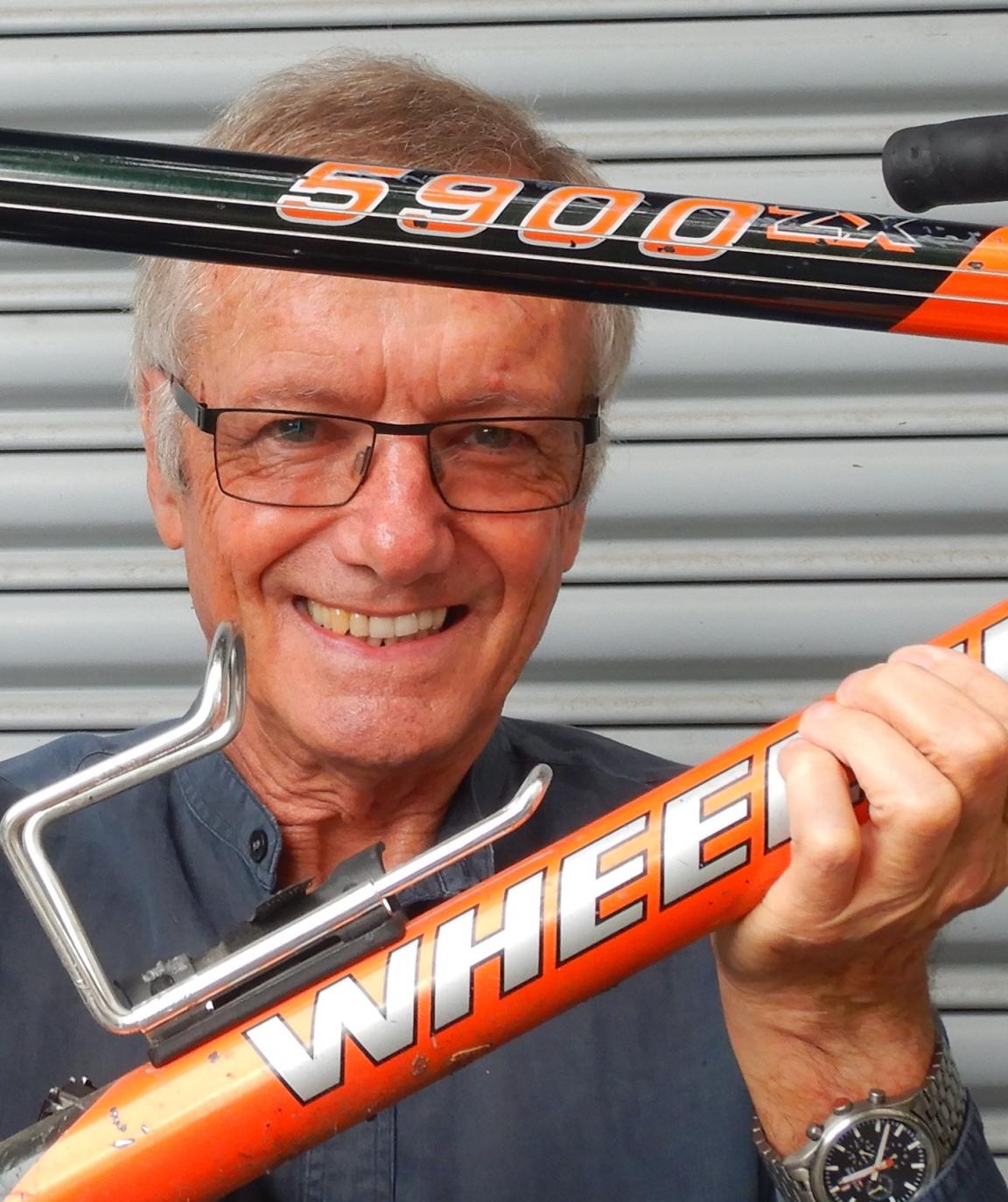
An Asia ‘hippie trail’ trek in 1972 led to the creation of Lonely Planet and the New York Times to describe Tony as ‘the trailblazing patron saint of the world’s backpackers and adventure travelers.’ Since Tony departed Lonely Planet, there’s been plenty to keep him busy including the Wheeler Institute at London Business School (concentrating on entrepreneurship in the developing world), the Wheeler Centre in Melbourne (books, writing and ideas), the Wheeler History of Travel Writing Programme at Warwick University in England, and Planet Wheeler Foundation’s education and health projects in the developing world.
Tony’s bicycle stable includes one in London (which he rode from London to Paris a few years ago) and three bicycles in Melbourne. The folding Brompton will be joining him in Canberra for this talk.
Daniel Oakman
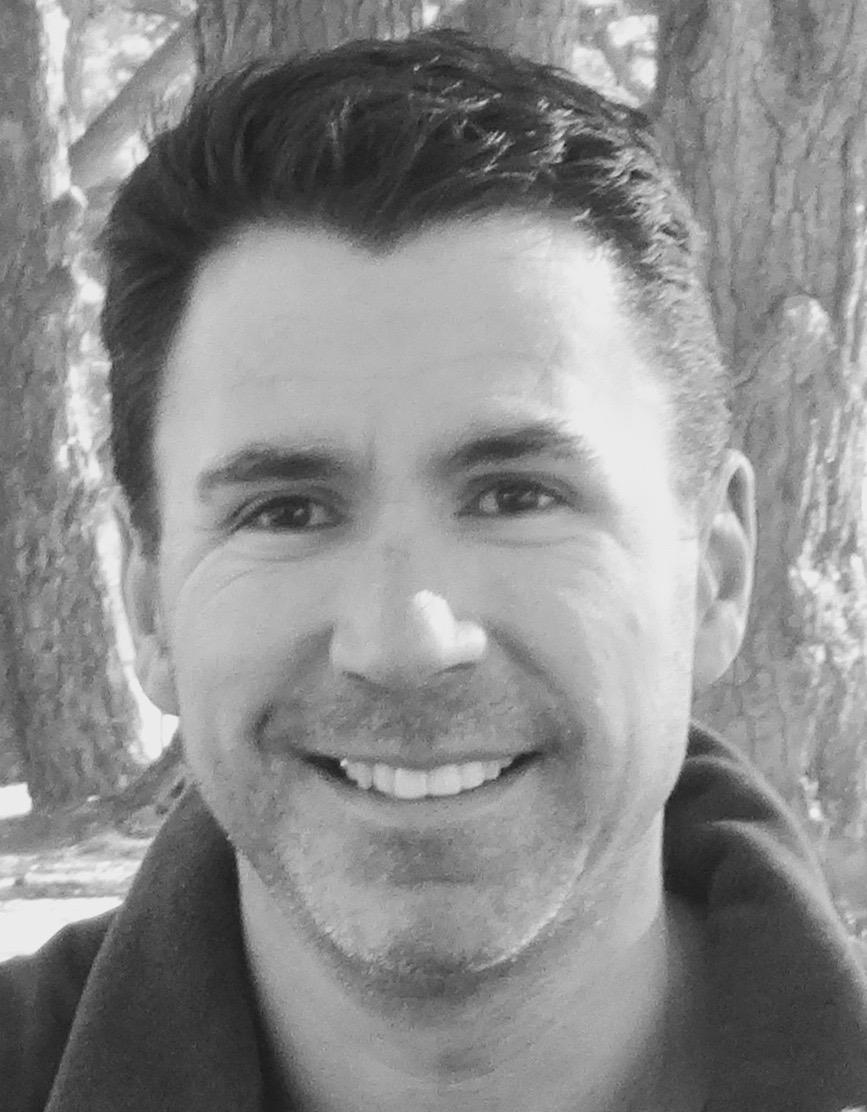
Dr Daniel Oakman is a writer and historian from Melbourne. After a brief sojourn as a public servant in the mid-1990s, he completed his PhD at the Australian National University. During a fifteen-year career as a senior curator at the National Museum of Australia, he curated exhibitions about bicycles, cars, cities and urban design, including Freewheeling, a ground-breaking travelling exhibition on cycling in Australia.
In 2005, his history of Australia and the Colombo Plan, Facing Asia (published by Pandanus Books), was shortlisted for the NSW History Awards. With Melbourne Books, he has published Oppy (2018), an acclaimed biography of the sporting icon and politician Hubert Opperman, and Wild Ride (2020), an immersive exploration of how the bicycle has long shaped understandings of the Australian continent and its people. He published his first novel, Fire in Head, in 2025.

 Assistance animals welcome

 Hearing induction loop

 Wheelchair accessible
Visit us
Find our opening times, get directions, join a tour, or dine and shop with us.