

Wangka Wakaṉutja: The Story of the Papunya Literature Production Centre
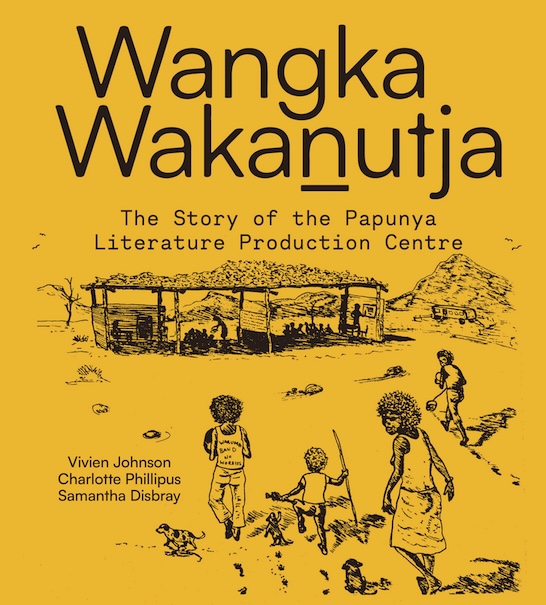
The Papunya Literature Production Centre (PLPC) was the centre of community life at Papunya in the 1980s. Fuelled by youthful energy and guided by the community’s Elders – among them pioneers of the Western Desert Art movement – the centre produced more than 300 Pintupi-Luritja readers in a little over ten years. These illustrated books include stories of first contact, Dreaming, community life, plants, animals and more. Some are funny and wildly creative; others are moving and dramatic. All of them are undeniably extraordinary.
Wangka Wakaṉutja, Pintupi-Luritja for ‘the story has been told’, tells the remarkable story of the artists, writers and readers of the PLPC, tracing the books through creation, use, loss and rediscovery. This is the definitive story of a radical bilingual literature movement, powered by collective creativity and cultural pride.
Old stories and new stories. For people (Anangu) to gather stories, put them on tapes, we would translate them, all those old stories. Scary stories, hunting stories, stories about everything, we were collecting them, translating and recording them together alongside pictures. There were lots of us working at the literacy program, ladies and men some drawing and some collecting stories.
In the collection
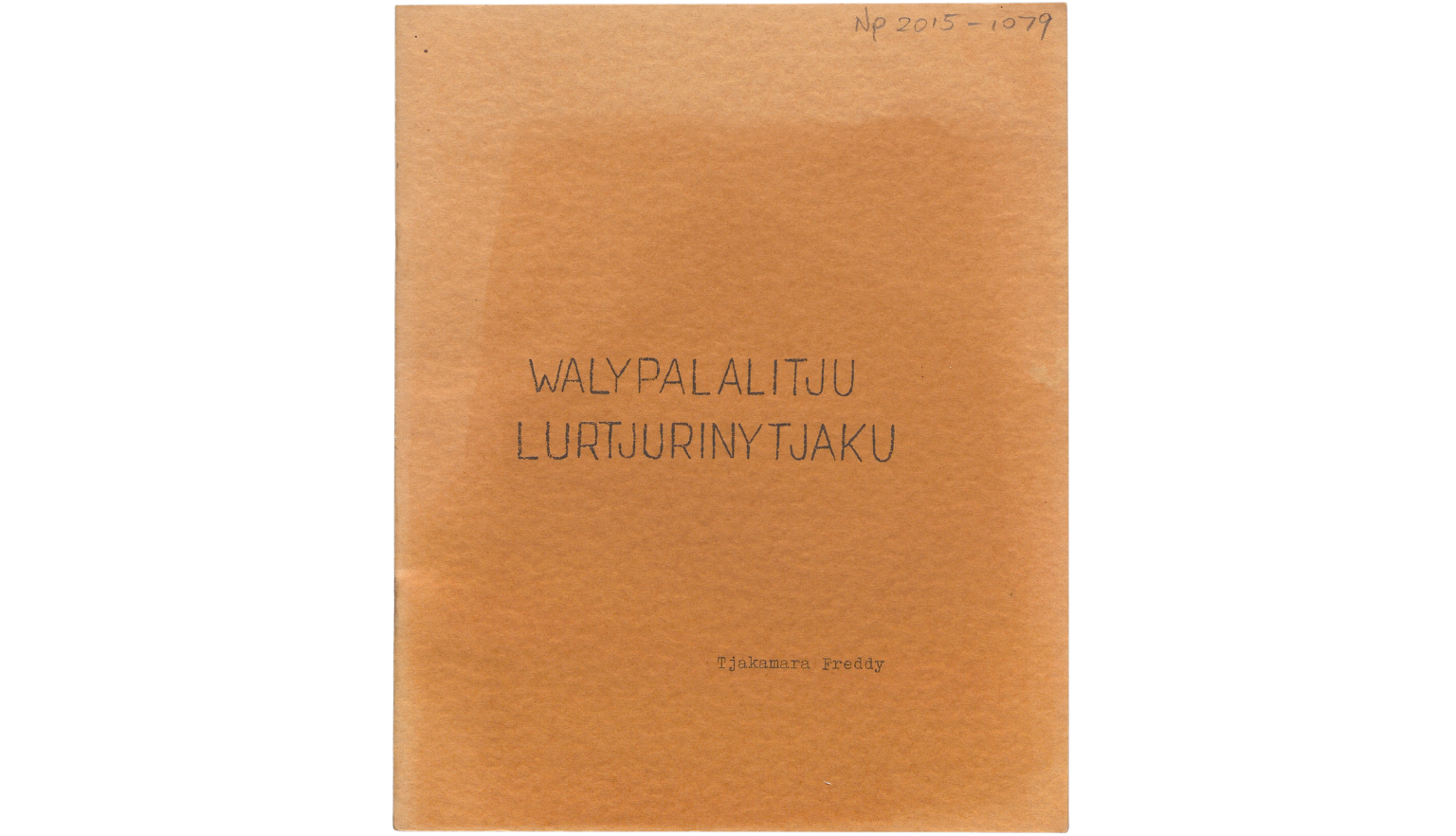
Freddy Tjakamara, L E Hansen, K C Hansen and Summer Institute of Linguistics, Walypalalitju lurtjurinytjaku, 1969, nla.gov.au/nla.obj-3285453900
Freddy Tjakamara, L E Hansen, K C Hansen and Summer Institute of Linguistics, Walypalalitju lurtjurinytjaku, 1969, nla.gov.au/nla.obj-3285453900
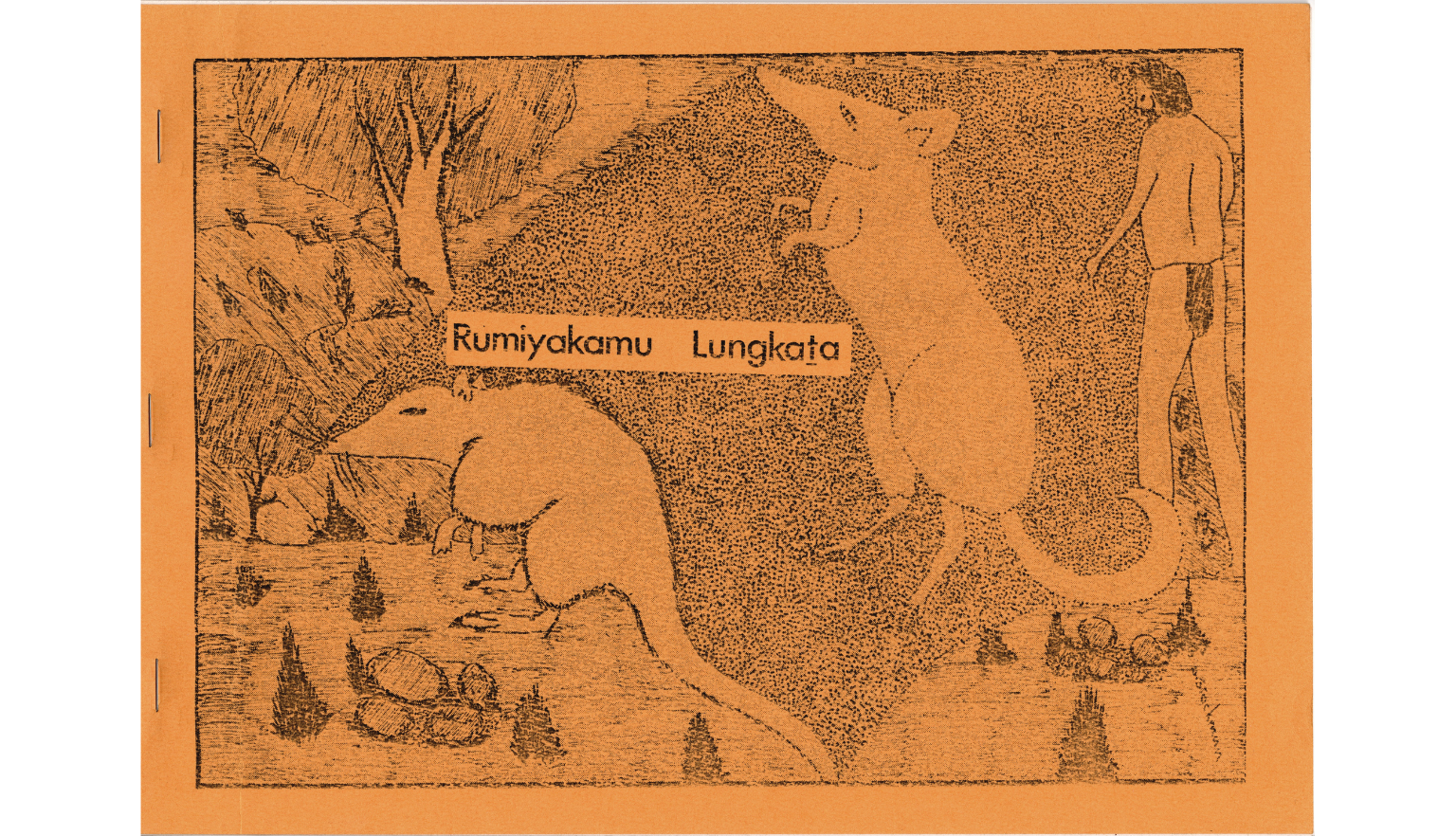
Charlotte Phillipus Nupurrula, Abraham Stockman Tjungarrayi and Papunya Literature Production Centre, Rumiyakamu lungkata, 1987, nla.gov.au/nla.obj-3285463123
Charlotte Phillipus Nupurrula, Abraham Stockman Tjungarrayi and Papunya Literature Production Centre, Rumiyakamu lungkata, 1987, nla.gov.au/nla.obj-3285463123
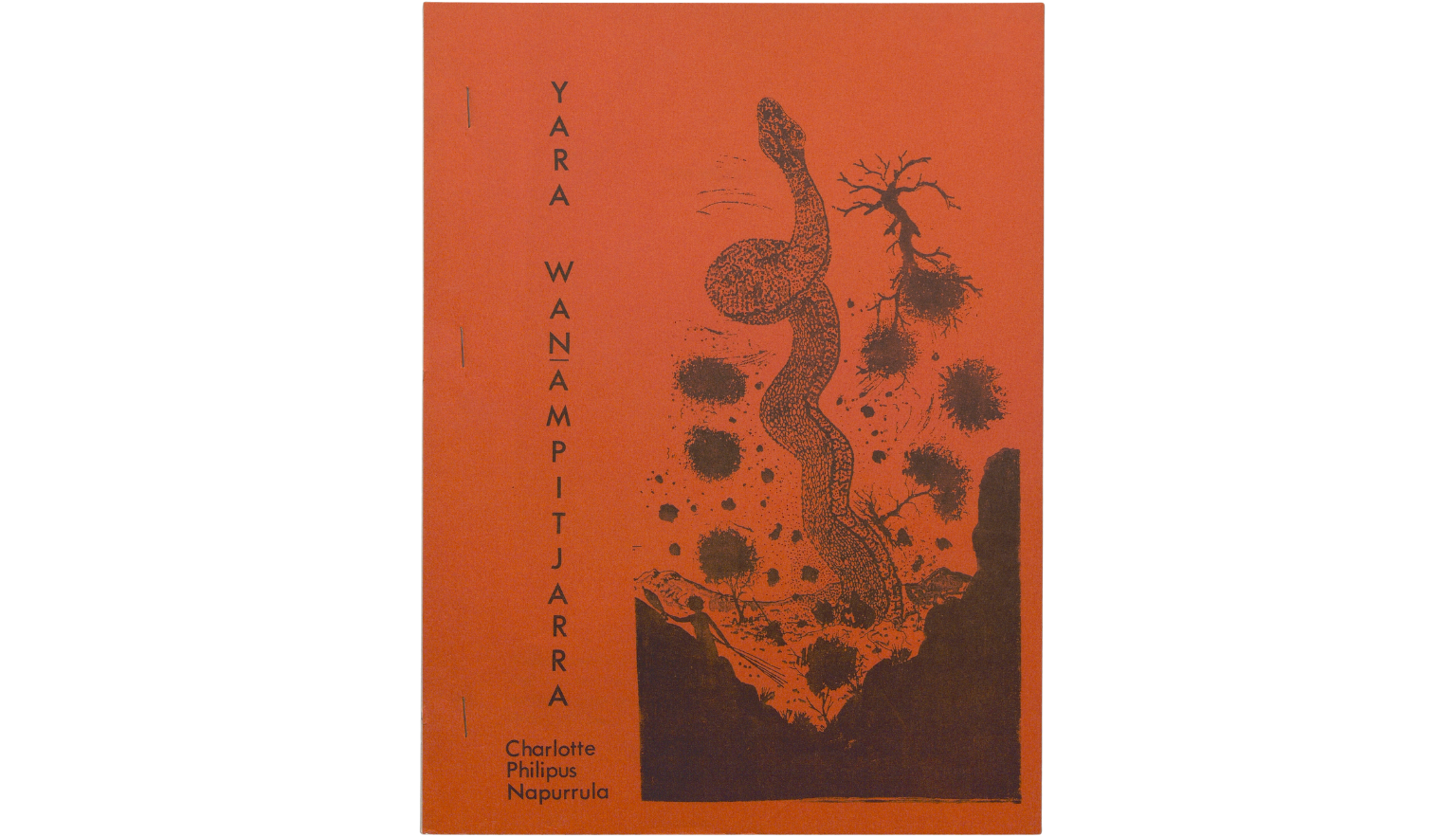
Charlotte Phillipus Nupurrula, Thomas Stevens Tjapangati and Papunya Literature Production Centre, Yara waṉampitjarra, 1984, nla.gov.au/nla.obj-3286274841
Charlotte Phillipus Nupurrula, Thomas Stevens Tjapangati and Papunya Literature Production Centre, Yara waṉampitjarra, 1984, nla.gov.au/nla.obj-3286274841
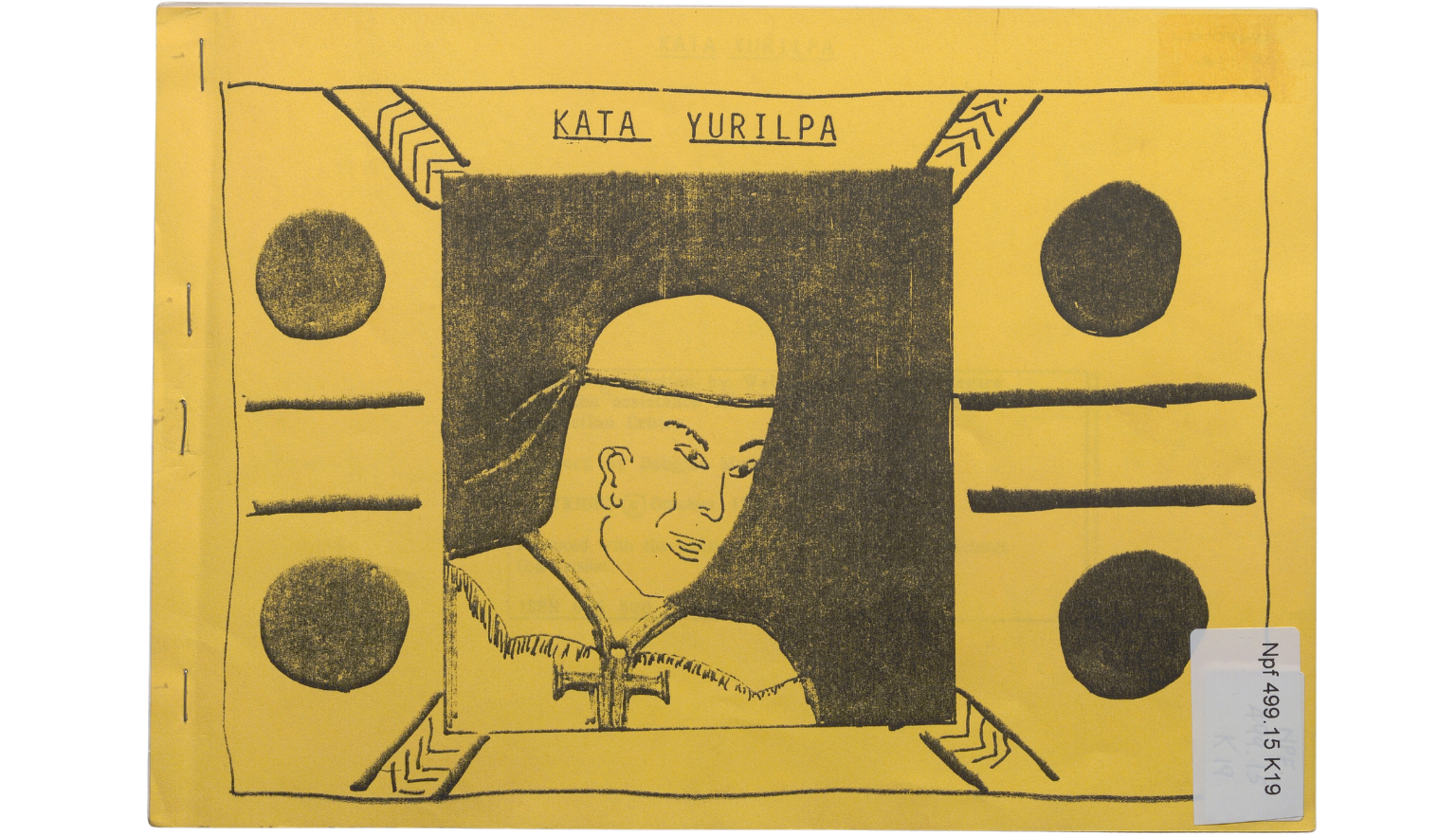
Douglas Multa Tjupurrula and Papunya Literature Production Centre, Kata yurilpa, 1987, nla.gov.au/nla.obj-3286494977
Douglas Multa Tjupurrula and Papunya Literature Production Centre, Kata yurilpa, 1987, nla.gov.au/nla.obj-3286494977
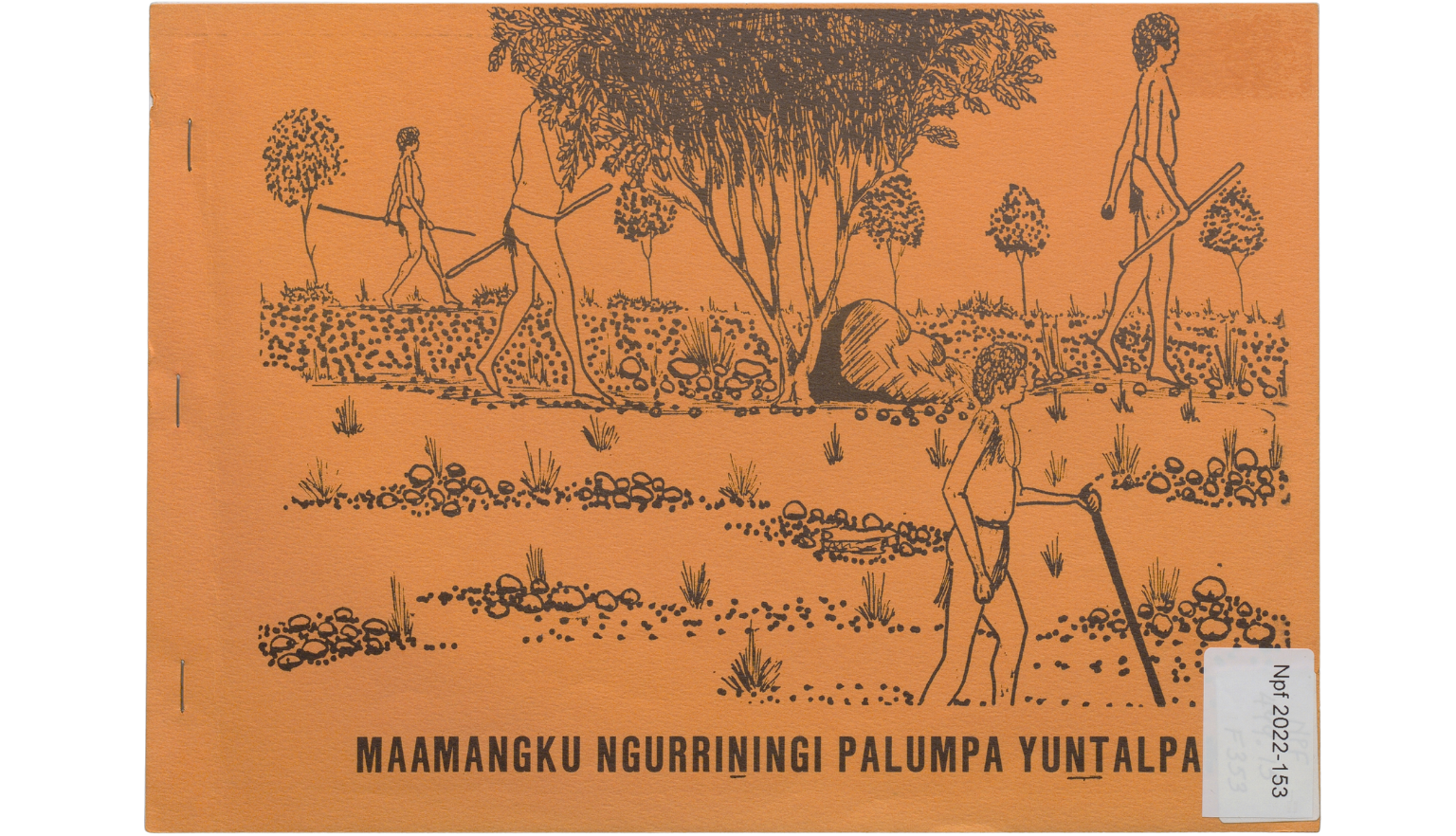
Sabrina Ferguson Nakamarra, Dennis Nelson and Papunya Literature Production Centre, Maamangku ngurriningi palumpa yuntalpaku, 1987, nla.gov.au/nla.obj-3285667543
Sabrina Ferguson Nakamarra, Dennis Nelson and Papunya Literature Production Centre, Maamangku ngurriningi palumpa yuntalpaku, 1987, nla.gov.au/nla.obj-3285667543
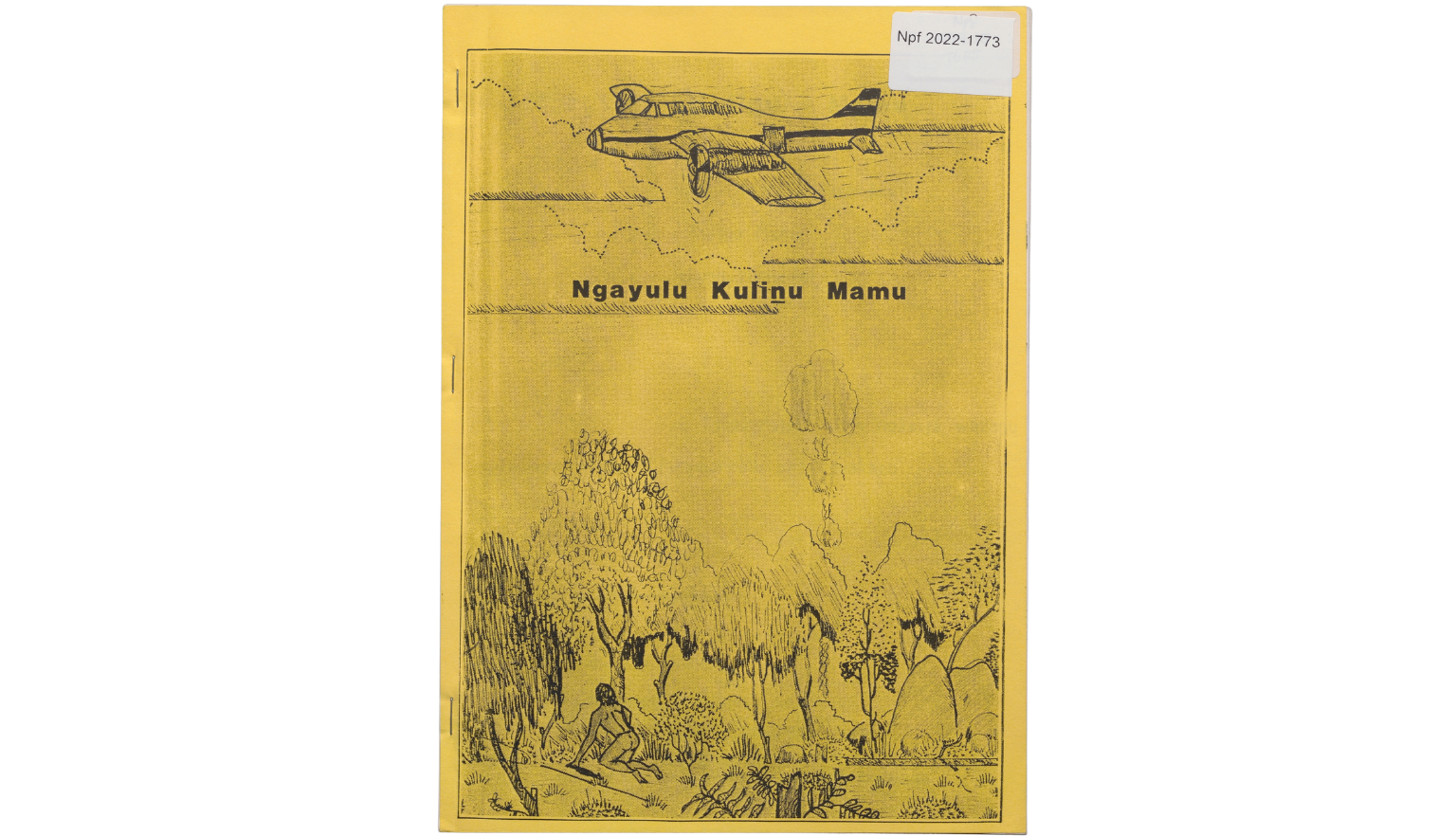
Johnny Warangkula Tjupurrula, Dennis Nelson and Papunya Literature Production Centre, Ngayulu kulinu mamu, 1988, nla.gov.au/nla.obj-3285463424
Johnny Warangkula Tjupurrula, Dennis Nelson and Papunya Literature Production Centre, Ngayulu kulinu mamu, 1988, nla.gov.au/nla.obj-3285463424
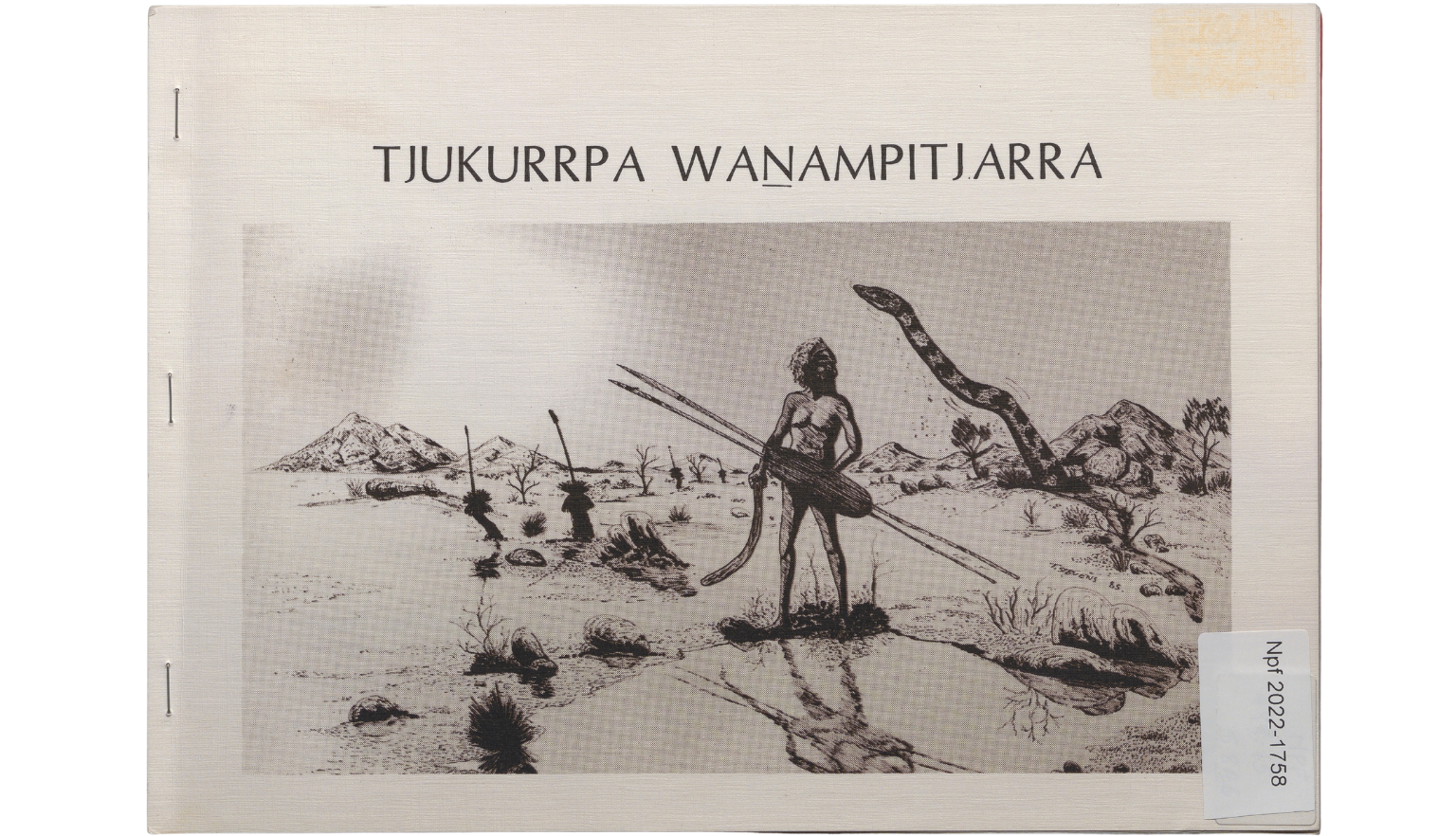
Thomas Stevens Tjapangati and Papunya Literature Production Centre, Tjukurrpa wanampitjarra, 1987, nla.gov.au/nla.obj-3286494931
Thomas Stevens Tjapangati and Papunya Literature Production Centre, Tjukurrpa wanampitjarra, 1987, nla.gov.au/nla.obj-3286494931
Reviews
Emma Macdonald, HerCanberra
- The National Library of Australia has always revered children’s stories. And in a major exhibition and an important new book – Wangka Wakaṉutja: The Story of the Papunya Literature Production Centre – the Library is shining a spotlight on the decades-long, remarkable efforts of the Papunya community to record language and culture and keep it alive among the pages of hundreds of children’s books. Read More
About the authors
Vivien Johnson
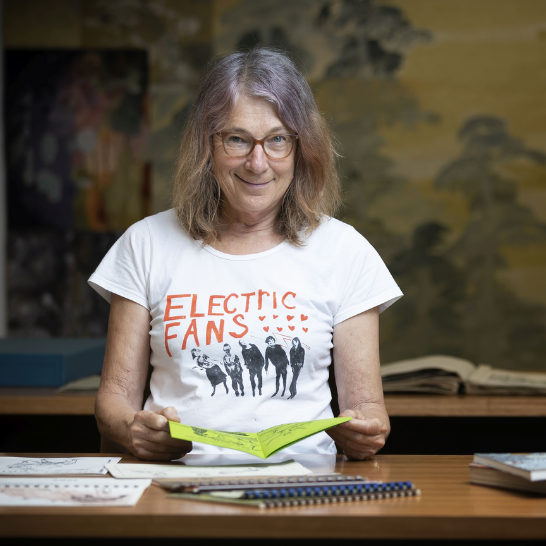
Vivien Johnson is the book’s lead author, as signalled by her occasional use of the first person. Vivien’s connection to Papunya, its artists and art movement spans more than four decades and is explored in numerous books, articles, catalogues and exhibitions. Awarded a National Library Australian Literary Fellowship in 2019, her annotated catalogue of the 250 ‘Papunya readers’ in the Library’s collection provided the backbone of the book. Extensive new research on the Papunya authors and illustrators underpins her contribution.
Charlotte Phillipus
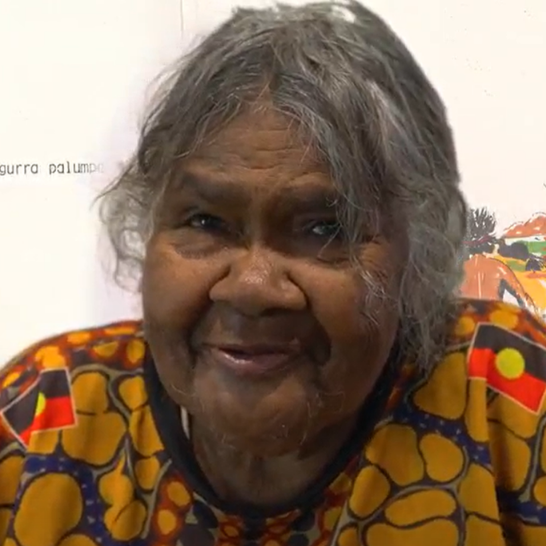
Charlotte Phillipus was a leading writer for the Papunya Literature Production Centre, authoring or co-authoring 56 books in over a decade of involvement. She is a retired teacher, community linguist, renowned artist and community leader and authority on the Pintupi-Luritja language. She edited the Hansens’ 2022 encyclopaedic dictionary and contributed entries and text. Charlotte has guided Vivien and Samantha in all stages of the project and overseen research and development of this book. She led community liaison, collaborated to gather oral histories locally and contributed her own story to this book.
Samantha Disbray
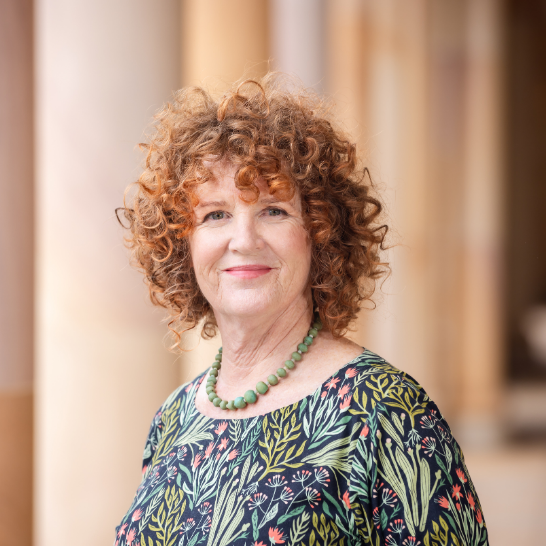
Samantha Disbray is a non-Indigenous academic and community linguist, who supports and researches Indigenous languages in education and the arts. As lead author of Chapter 4, she drew on her experiences as a teacher-linguist for the Northern Territory Education Department and her research on the Northern Territory Bilingual Education program and contributed research including oral history interviews to further chapters.
Pronouncing Pintupi-Luritja words
The best way to learn how to pronounce words is to hear them. These example words give you the sounds of different consonants and vowels. These words were spoken by Karen McDonald and recorded by Samantha Disbray.
Consanonts
Letter: p
Word: papa [dog]
Sounds like: p or b
Letter: t
Word: tali [sand dune]
Sounds like: t or d
Letter: ṯ
Word: tjuṯa [some, many]
Sounds like: t with tongue tip higher in the mouth
Letter: tj
Word: tjaa [mouth]
Sounds like: church or job
Letter: k
Word: kata [head]
Sounds like: k or g
Letter: l
Word: lungkata [goanna]
Sounds like: lit
Letter: ḻ
Word: wilu [curlew]
Sounds like: l with tongue tip higher in the mouth
Letter: ly
Word: palya [good, well]
Sounds like: million
Letter: m
Word: maku [grub]
Sounds like: me
Letter: n
Word: nyuntu [you]
Sounds like: nap
Letter: ṉ
Word: tiina [big]
Sounds like: n with tongue tip higher in the mouth
Letter: ny
Word: wanyu [wait]
Sounds like: onion
Letter: ng
Word: ngananya [who]
Sounds like: sing
Letter: w
Word: waru [fire]
Sounds like: will
Letter: rr
Word: warru [wallaby]
Sounds like: like r in Scottish English
Letter: r
Word: rumiya [goanna]
Sounds like: run
Letter: Y
Word: yaka [oh!]
Sounds like: you
Vowels
Letter: a
Word: ama [breast]
Sounds like: father
Letter: aa
Word: nyaaku [why]
Sounds like: a held longer
Letter: i
Word: pina [ear]
Sounds like: lit
Letter: ii
Word: nyiinyi [finch]
Sounds like: i held longer
Letter: u
Word: munga [night]
Sounds like: put
Letter: uu
Word: kuunyi [poor thing, dear one]
Sounds like: u held longer
Continue your journey
More to explore
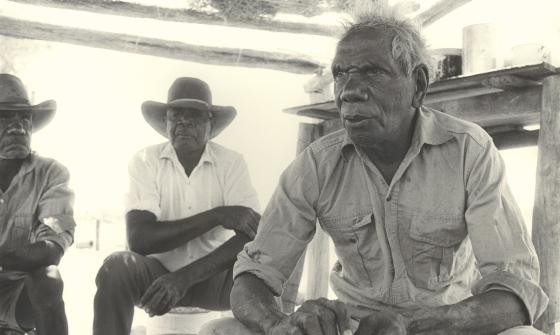
Michael Jensen, Vincent Lingiari at Wattie Creek [(Daguragu), Northern Territory] when they had water on tap, 1977, nla.gov.au/nla.obj-137086604