

Picnic at the Library
Picnic at Hanging Rock (1975) is one of those films that tends to incite strong opinions. There are those, like me, who love the film, whereas others find it unsettling (I won’t even mention the fact some dislike it altogether). It is, without a doubt, one of Australia’s best-known films. A display about it is featured in our 1975: Living in the Seventies exhibition.
We have rich collections related to Joan Lindsay’s 1967 Picnic at Hanging Rock novel and the 1975 film adaptation directed by Peter Weir. This includes typescripts of part of the book, copies of the published book and screenplay, as well as related publications. Additionally, we hold the papers of the film’s screenwriter Cliff Green and composer Bruce Smeaton.
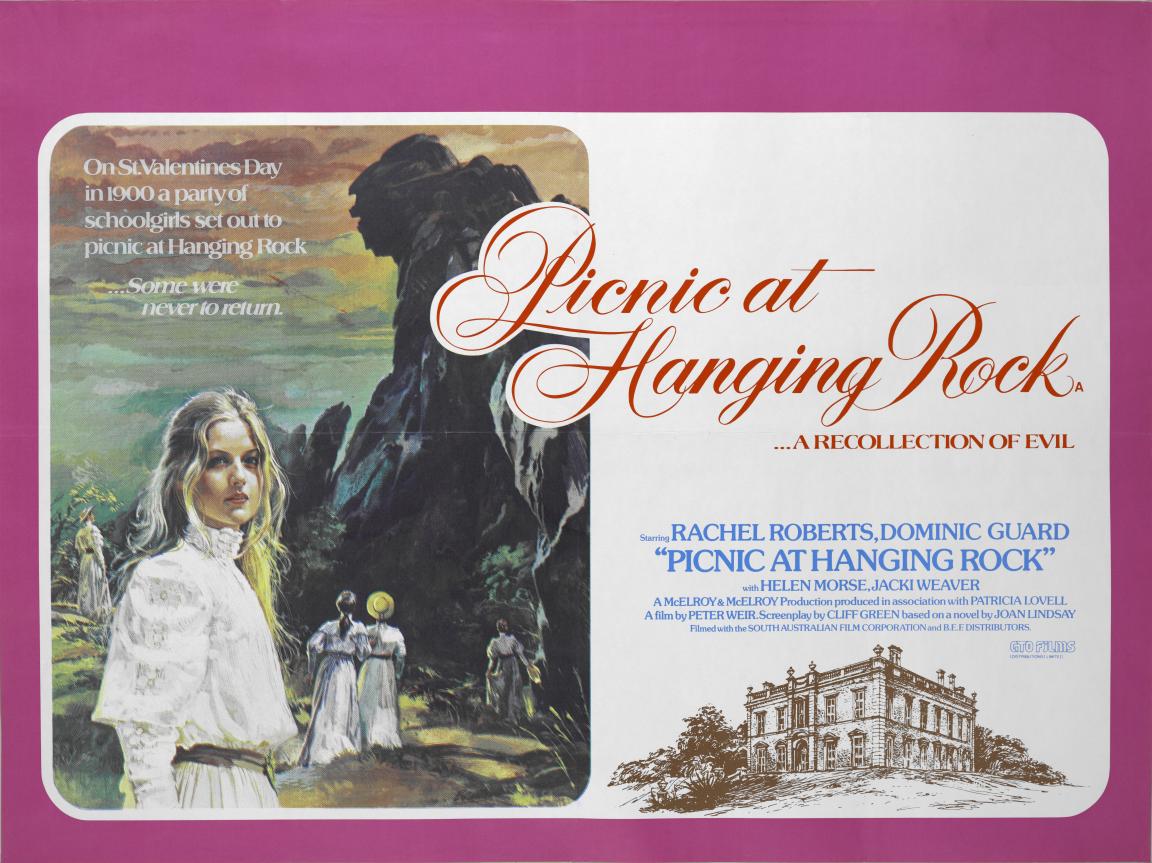
Picnic at Hanging Rock (1975) ranks among the finest films of the Australian New Wave. It emerged during a rich period for Australian cinema. The haunting mystery, produced by Patricia Lovell and directed by Peter Weir, was a worldwide critical and commercial success.
The story follows 4 schoolgirls—including the ethereal Miranda played by Anne-Louise Lambert—who go missing during an excursion to Ngannelong (Hanging Rock), Victoria, on Valentine’s Day 1900.
Behind the scenes
These candid images were taken on the set of Picnic at Hanging Rock, which was filmed on location at Ngannelong (Hanging Rock) in Victoria in early 1975. Author Joan Lindsay can be seen watching on in one of the photos.
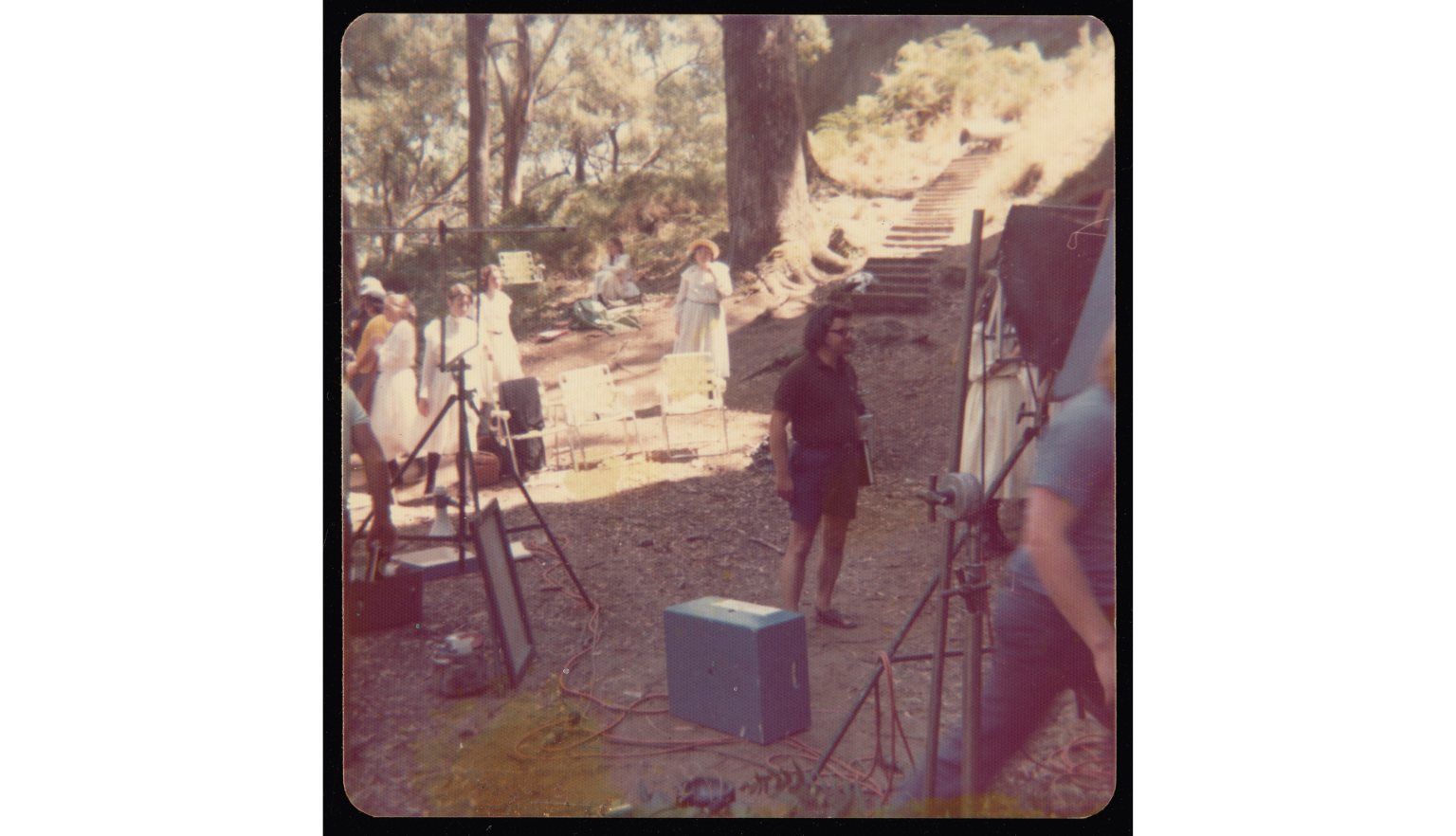
Unknown photographer, Scriptwriter Cliff Green on the set of Picnic at Hanging Rock, 1975, nla.cat-vn828193
Unknown photographer, Scriptwriter Cliff Green on the set of Picnic at Hanging Rock, 1975, nla.cat-vn828193
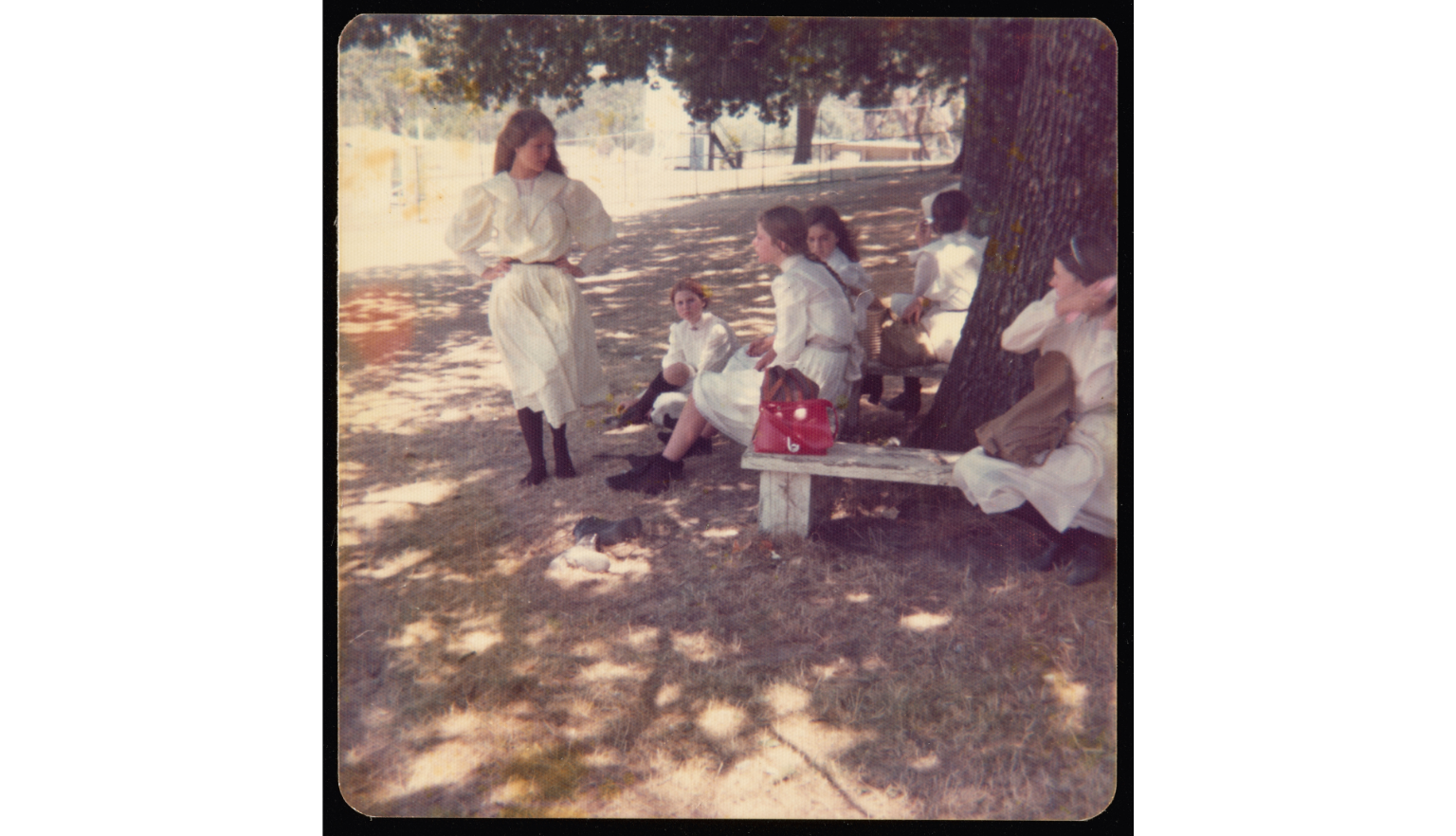
Unknown photographer, Cast members on the set of Picnic at Hanging Rock, 1975, nla.cat-vn828193
Unknown photographer, Cast members on the set of Picnic at Hanging Rock, 1975, nla.cat-vn828193
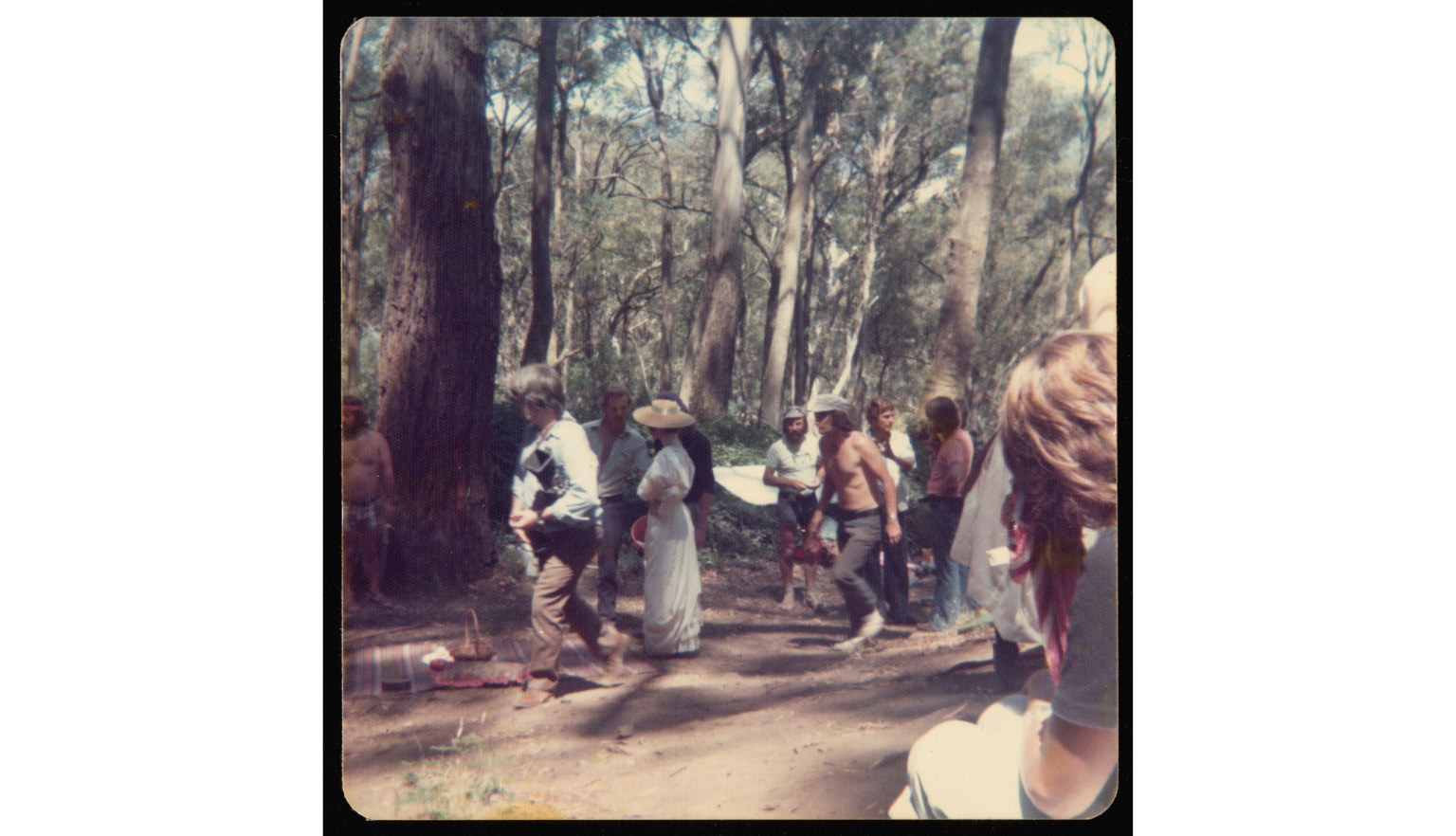
Unknown photographer, Director Peter Weir on the set of Picnic at Hanging Rock, 1975, nla.cat-vn-828193
Unknown photographer, Director Peter Weir on the set of Picnic at Hanging Rock, 1975, nla.cat-vn-828193
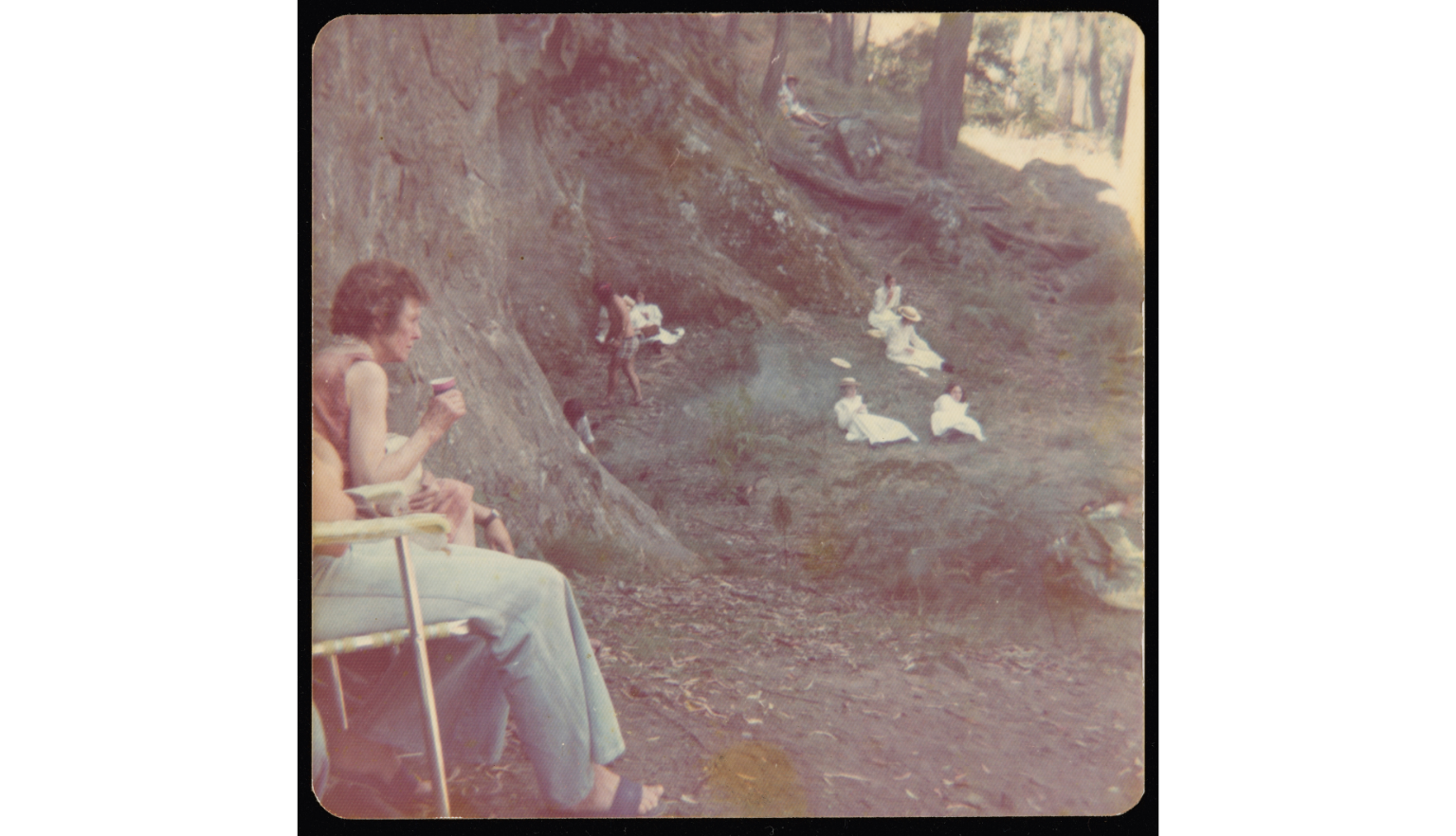
Unknown photographer, Author Joan Lindsay on the set of Picnic at Hanging Rock,1975, nla.cat-vn828193
Unknown photographer, Author Joan Lindsay on the set of Picnic at Hanging Rock,1975, nla.cat-vn828193
Finalising the film
While researching the Picnic at Hanging Rock display for the 1975 exhibition, I came across a letter from director Peter Weir to scriptwriter Cliff Green. It was written before the film was completed. Weir wrote of adjusting the sound of cicadas—which were included as a sound effect—as the noise was too irritating. He expressed happiness with the film, while acknowledging some uncertainty over what the critical and commercial response would be: ‘God knows how it will be received’. Documents such as this offer an important record of a moment in time, as Weir could not have known then that the film would become a classic.
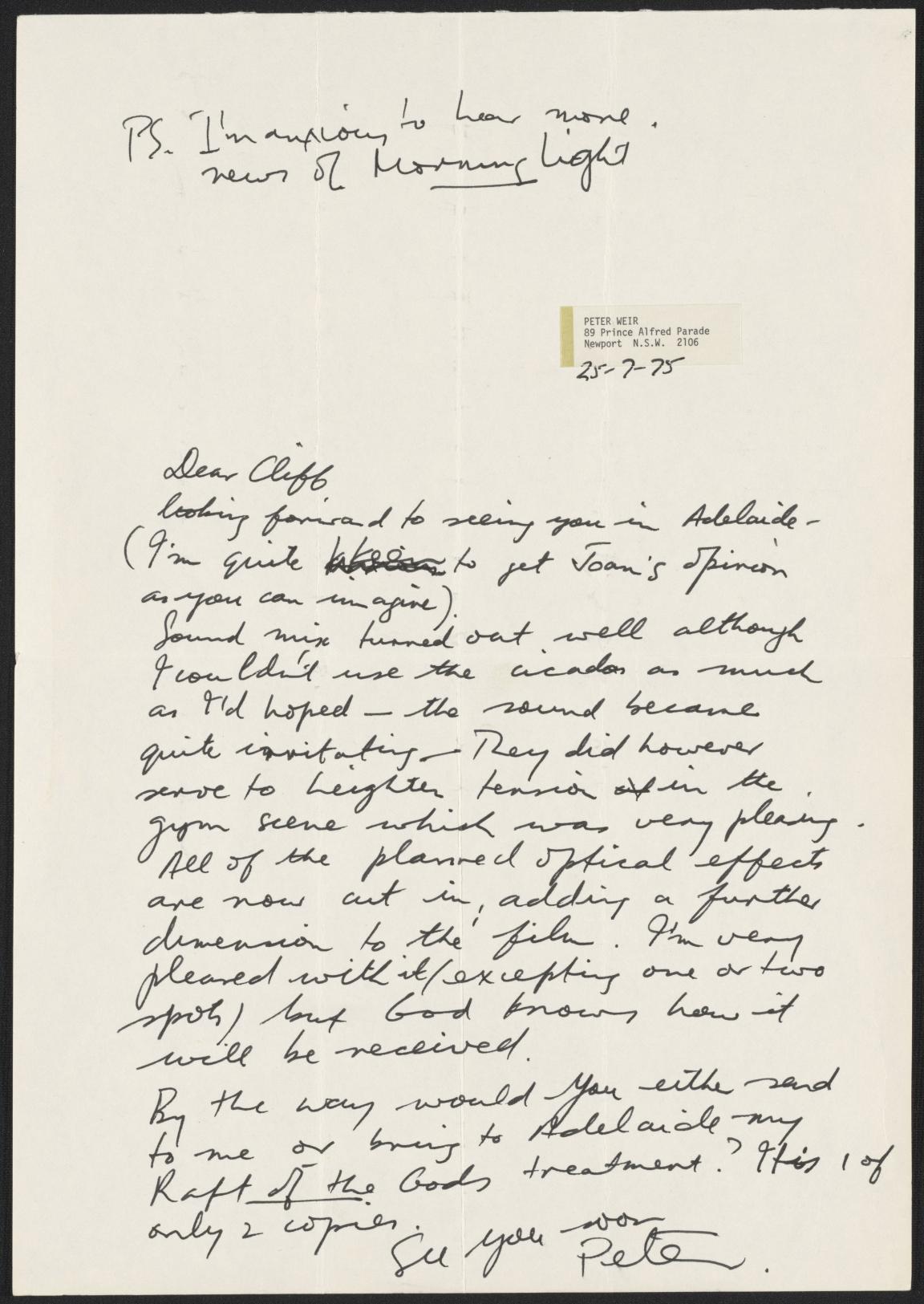
Peter Weir (b. 1944), Letter to Cliff Green, 1975, Papers of Cliff Green, nla.cat-vn1057570
Peter Weir (b. 1944), Letter to Cliff Green, 1975, Papers of Cliff Green, nla.cat-vn1057570
Annotations on the script help us understand how the film took shape. Originally, the famous opening scene was to have a female voiceover, but this was changed. Instead, the film commences with a title card that sets the scene for the mystery and concludes: ‘During the afternoon several members of the party disappeared without trace…’.
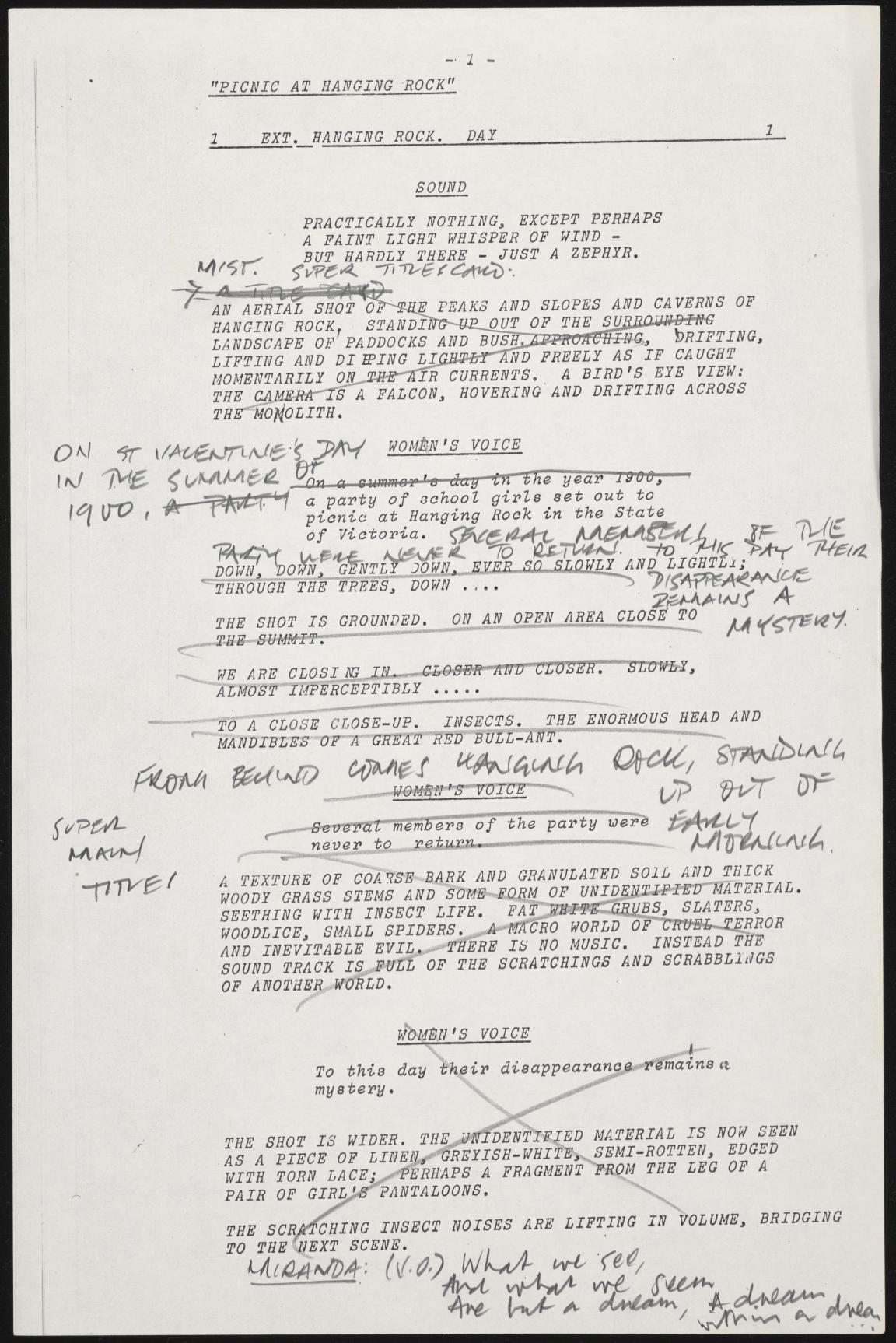
Cliff Green (1934–2020), Screenplay for Picnic at Hanging Rock, c. 1974, Papers of Cliff Green, nla.cat-vn1057570
Cliff Green (1934–2020), Screenplay for Picnic at Hanging Rock, c. 1974, Papers of Cliff Green, nla.cat-vn1057570
Other records held by in our collection relate to the soundtrack. The soundtrack includes original music composed by Bruce Smeaton as well as other pieces selected by him, such as the ethereal adagio from Beethoven’s ‘Emperor’ concerto. The most iconic music from the film is the eerie pan flute theme composed and performed by Romanian musician Gheorghe Zamfir. It is an instantly recognisable tune which was later used in Nescafé Blend 43 coffee commercials.
A classic for more than half a century
Picnic at Hanging Rock continues to captivate audiences; the film having recently celebrated its 50th birthday, and Lindsay’s novel is still in print. Its inclusion in a wider display about life in the seventies in our 1975 exhibition provides an opportunity to reconnect with the classic story and for a new generation of fans to discover it.
More to explore
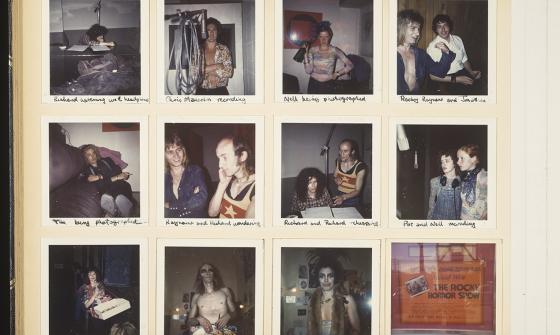
Personal photographs in Visual diary 5 - Photo portraits, nla.gov.au/nla.obj-3674887841
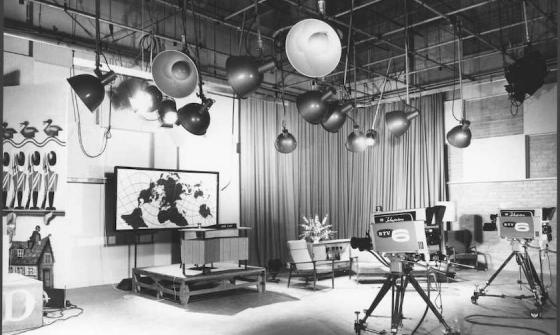
Wolfgang Sievers & Hassel (Firm), Television set at Ballarat television station, by architects Hassell & McConnell, Victoria, 1962, nla.gov.au/nla.obj-160888519
Visit us
Find our opening times, get directions, join a tour, or dine and shop with us.