

Drawing the Line: Geoff Pryor and David Pope in conversation
The Canberra Times presented Geoff Pryor and David Pope, with Sally Pryor, as they compared experiences, debated the impact of changing tools, and explored what remains at the heart of political cartooning.
Geoff Pryor created political cartoons in black-and-white on cardboard, often with ink on his fingers. His successor, David Pope, works with sophisticated software and a digital tablet. The job title may be the same, but how has the craft, technology and daily life of a political cartoonist changed from one generation to the next? Join Geoff and David for a lively conversation as they compare experiences, debate the impact of changing tools, and explore what remains at the heart of political cartooning.
Drawing the Line: Geoff Pryor and David Pope in conversation
Kim Brunoro:
Yuma and good evening. A very warm welcome to the National Library of Australia. My name is Kim Brunoro and I'm Assistant Director General of Engagement Branch here, at the Library. Before I continue, I'm just asking that everybody check their phone is on silent or switched off and make sure that applies to your alarms or alerts. The National Library sits on the beautiful lands of the Ngunnawal and Ngambri peoples, and I pay my respects to their elders past, present, and emerging. I thank them for their continuing care and custodianship of the place we call home, and extend a personal note of gratitude for being fortunate enough to grow up on some beautiful country very close to here.
Tonight, we are very pleased that John Paul Moloney, the Managing Editor of the Canberra Times, contacted us to organise this event. It's a very special year for Canberra's local paper. This year celebrates a hundred years of publishing. It's a remarkable achievement and the National Library is so pleased to have every edition of the paper, from its beginnings on the 3rd of September 1926, here in the national collection. We hold a range of formats, the paper form of course, the microfilm, and of course digitised copies. And they're available to all Australians through Trove up until the end of 1995.
It's a very significant collection for the library and as the ACT's paper of record, it's an invaluable source of information for historians and researchers on life in the capital city. From the mid to late 20th century, editorial cartoons have become a regular part of Australian newspaper culture. Tonight we are joined by two of Australia's best political cartoonists, Geoff Pryor and David Pope, to discuss their work, their unique styles, and their predictions for the craft in the future. Geoff was the Canberra Times editorial cartoonist for 30 years. He's a recipient of two Walkley Awards and in 2016 was inducted into the ACT Honour Walk. Geoff, you have a very special place in the heart of librarians, but especially librarians here at the National Library. Geoff not only donated 5,000 of his original drawings to the library, but he volunteered one day a week for seven years to catalogue each and every cartoon, providing a sentence or explanation to go with the digital entry.
Thank you, Geoff.
David. David was the editorial cartoonist for the Canberra Times since Geoff retired or is, sorry. For the past 18 years, his cartoons have kept Canberra residents entertained and educated. David is the winner of three Walkleys and has twice been voted cartoonist of the year by the judging panel of the Museum of Australian Democracy. Geoff and David are joined in conversation tonight by Canberra Times journalist Sally Pryor. Sally covers the courts, arts, entertainment, and city news. She's the Features Editor of the Canberra Times. So please welcome Geoff, David and Sally to the stage.
Sally Pryor:
Good evening everyone. Oh, you can hear me. Okay, great. So welcome to this talk. It is our anniversary year, so we've been doing a lot of these events, just engaging with people about what we do, and this is one I've been looking forward to for a long time. I have here on stage with me, as mentioned, two titans of the cartooning world, my dad, Geoff Pryor, and David Pope. So, dad was the cartoonist for 30 years to the actual literal day, I believe, 1978 to 2008. He retired the week that I started, which was very tactful and convenient of him to do that. He passed the baton onto David and he now reigns supreme in the cartooning world across Australia. And both a part of a decades old tradition at the Canberra Times. Cartooning has been a real linchpin of our editorial coverage for the last 50 years.
It began with Larry Pickering and he passed the baton. He just gave it up, didn't he? He just decided one day he didn't want to do it anymore and dad had been hanging around doing a bit of fill-in work and so he passed on to dad. So we've had three main cartoonists. We've had a lot of illustrators and filling cartoonists in between, really great ones, but it's the three main ones that we've had over those 50 years. And so I've got a little slideshow that I've put together and I'm just going to make sure that these clear. Yes, there we go. Okay. So the passing of the baton that I mentioned also heralded a real shift in technique that I've personally really noticed and I'm sure you all have as well. And that's something that we're going to be talking about tonight. So Pryor, dad, here he is, he worked on a traditional drawing desk using bottles of ink and pens and the pens often leaked.
You can see lots of ink on the side of the desk. I remember dad always having black fingers. And he drew on uniform rectangular boards, which mounted up in boxes. Many of these boxes were piled in the study of my childhood home over many years and he drew a cartoon a day for seven days a week, every year. So obviously there were many thousands of these physical works piled up in our house at various stages and the vast majority are now held here, which is a real relief, I think, that they're not just hanging around at home. I've got some, I've knicked a few over the years and I carry them with me at all times around all the various houses I've lived in and they're very, very precious to me. But this is what they look like, all the same uniform size. So that's what dad did.
And this is what his office looks like at the Fyshwick office. And then -
David Pope:
I inherited that office and worked the same way for about three years.
Sally Pryor:
Yeah, you did, but it didn't last long, did it?
David Pope:
On that same desk.
Sally Pryor:
Yeah. But your technique has really evolved very quickly and I'm just going to show a quick YouTube video that David made of the way he works.
David Pope:
Yeah. So after that three years, I moved digitally. So I haven't drawn on paper since 2011, I think it is. And this is just a time lapse of drawing on a computer. So it just allows you to speed it up and you can see the messy process as it goes on.
Sally Pryor:
It's very cool.
David Pope:
I mean, you could do the same leaning over someone, leaning over your shoulder, Geoff, and you could do the same thing. In this case, the computer just allows you to screenshot it.
Sally Pryor:
It's very cool.
David Pope:
So it's a lot of...
Sally Pryor:
I could watch this all day. It's very soothing. Yeah. It's a very cool... And it's just the layers of it. It's so interesting to watch them take shape like that. And then the colour, I mean, quite a different way of working. And yet, you said that you did your last paper one in 2011, which was only three years in.
David Pope:
Yeah. Well, before that, when I was hired at the paper, I still drew on paper, but I scanned things-in to colour them in. And the first day I was working...
Geoff Pryor:
I remember that.
David Pope:
The first day I worked, the first day I worked in Geoff's job, they printed it in black and white, even though I'd drawn it in colour because the page was in black and white. And the editor came to me the next day and said, "do you draw these in colour?" And they changed the paper page to colour. So the next day from then on, they were in colour.
Sally Pryor:
Was an overnight adjustment that we were forced to make, gosh!
David Pope:
I coloured them in computer and then I was with Jon Kudelka one time and he had this old computer that was precursor to an iPad and US salespeople used them to do invoices. And then the iPad came out and these were completely redundant. They were just junk, but they had really good pen digitizer built in and he was drawing cartoons on them and he encouraged me to give it a go. And so it was a very small thing handle it.
Geoff Pryor:
The thing that really impresses me about that style of building the drawing is the flexibility you must have to chop and change and do things as you go.
David Pope:
That was, as you would've found. I mean, and you have had a very cinematic style, but you commit something to pencil and you decide to change it, you've got to rub it all out and start again. And that was quite freeing to go, "I'll just draw and if I want to move something, I can move a bit more easily." So I'm just impressed with how you would produce the work with that cinematic quality.
Geoff Pryor:
Well, it was a matter of dreaming up the scenario in my mind before I actually started. I had to resolve as many problems as I could before I committed them to paper because otherwise, you know, it'd be a messy chop and change, but the cinematic thing, that's a good point because it's not well known, but early in my life before I started in cartooning in Canberra, I lived in Canada and I worked for the CBC for about five years in Toronto. And part of that time I managed to fit in a diploma in television production at the Ryerson Polytechnic. And that taught me quite a bit about cinema photography and how to make shots. So, I sort of had a natural tendency to want to draw things with visual drama. So it wasn't something that was forced out of me, but it was sort of almost a natural thing never to be stuck with two figures side by side talking because that's boring.
If you only had two people in the drawing, one had to be bigger than the other because then he would be closer to the camera, so to speak, to use intersecting lines in the composition, to use perspective, and then to try and create tableaus and particularly with the cartoons drawings that in my mind images. And if they weren't working, for some reason I couldn't get all the central components into the drawing and it wasn't working, I just couldn't quite get it right. Then in my mind, I could wind the action back a few frames or a few frames forward until it was right. But I'm not saying that's how it worked every day, but how from time to time I did fall back on that little trick.
David Pope:
Yeah. I think that one of the things that distinguishes your work, and you really notice that compared to other cartoonists like myself, and too often we have these figures side by side in that boring way. But you are composing the shot, you're working out where to put the camera, and it might be a worm's eye view, it might be from up in the ceiling, some dynamic composition. And yeah, that training obviously really, I think showed in your work.
Geoff Pryor:
And one trick I did pick up from Larry Pickering was to include the caption in the drawing as a bubble, a voice bubble. And I think that said probably more about Larry than he realised because his thinking behind that was the editor can't change the caption then. And I think Larry worked in a little bit of insecurity on that basis from time to time.
David Pope:
I mean, people probably don't realise, but before that, there would've been a caption that was pencilled in at the bottom and too often editors would write their own caption.
Sally Pryor:
Yeah, just get rid of it.
David Pope:
And typeset their own caption.
Geoff Pryor:
When I used to go through the old Punch magazines, which my grandfather had in his house in Adelaide, stacks of them, I'd just go through and then there would be these wonderful drawings by Illingworth and these late Victorian artists in black and white, wonderful, wonderful drawings. But the caption would go, "She says, he says, she says, he says, punchline." And I always thought to myself, "If it takes you a page of dialogue to get to the punchline, the drawing's not working."
Sally Pryor:
Actually, you just mentioned your grandfather. It's a fun fact. My great-grandfather, your grandfather, Oswald Pryor, was also a cartoonist for a political cartoonist in South Australia. He was known for his very loving portrayals of life on the copper coast, the South Australian mining town of Moonta, where he was born. And he was very famous for those. And he in fact wrote a history of that area, but his cartoons were very whimsical and they were sharp because they really picked up on life in those places. And he had a custom-made desk that you inherited,
Geoff Pryor:
That's right,
Sally Pryor:
after he died and you used it your entire career at home. So that's your origin story. But what is the story of how you came to be a cartoonist as a profession?
Geoff Pryor:
Well, I returned to Canberra in 1975 when my mother died. Sally's grandmother, who she never met, unfortunately, they would've loved each other, but I was working. I went back to ANU to finish off a degree, which had been hanging around my neck like a smelly albatross for years. And while there, I did freelance work at the Canberra Times doing illustrations for the Saturday pages, and it became quite onerous over time. They wanted more and more. And I remember when I graduated, about a dozen different things happened at once. I married, got an instant family and a degree in there, and also a sort of a semi-permanent job. But the actual interview with the editor was probably the shortest job interview I've ever had. Ian Mathews, bless his memory. He knew my work. He liked my style. And I think the interview went something like "me, I need a job, you, you need a cartoonist, how about it?"
And that was it.
Sally Pryor:
Those were the days.
Geoff Pryor:
Like most serendipitous things in life that just fell into place.
Sally Pryor:
I feel like maybe it was a little bit the same for you, David. It kind of fell into place a little bit for you as well.
David Pope:
Yeah, definitely. It wasn't a plan. And it didn't become an income for me until I was in my late 20s studying in South Australia. And I was studying and doing labour studies at the CAE there, and they used to produce a digest of academic literature about economics and industrial policy and trade unions. And they sent that out to trade unions. This is pre-internet. So the way people could find out what was happening in this field was they'd do this little digest and they asked if I'd do some cartoons for it. And then people started reprinting them and it became a little income. So as that built over the years, at a certain point, I had to make a decision, was I going to do other things or was I going to do cartooning? And I made the fateful decision to give it a crack.
Sally Pryor:
Fateful decision.
When I was 30, I think it was about when I decided I'd try and do it properly. And then I started working part-time at the paper doing just illustrations.
As we were just talking before, Geoff rang me up and said, "You're a cartoonist. Would you like to do some casual illustration at the paper?" And I said, "Well, I'm not an illustrator. I'm a cartoonist and two very different things I don't know." And I said, "So thanks, no." And then my partner talked to me and said, "Well, you're an idiot. Go on. Go on." So, I rang Geoff back up a bit sheepishly the next day and said, "Look, is that job still going?" And then I treated it like drawing practise. And I went up to the art school and did some watercolour practise, training, at night school.
And we used to get these little... An article would come on your desk and it'd have a little card attached that would say there's this space in the paper and it's an illustration, it's this big. And you have the text and you'd have to come up with a picture for it. And I would treat that as a drawing practise. I would do it in a different style each time just to see what I could do.
So diligent. I love it.
David Pope:
And I worked with Pat Campbell, who was a brilliant cartoonist and illustrator, a brilliant illustrator working with vector art on computer, which is sort of dark magic. And so, he was great fun. He's a very collegial person. And on the best days, you would see how his comments had influenced my either illustration or cartoon and vice versa. And often cartoons are very defensive because we work by ourselves and we...
Geoff Pryor:
Yeah, very solitary.
David Pope:
I think we sort of lose certain social skills and become a bit mentally dysfunctional. And Pat was one of the few who that didn't happen. So he was good to work with.
Geoff Pryor:
Yeah, it's very antisocial. I remember that room we saw on the screen now that...I fought for years for that, to be on my own out of the newsroom and it finally happened.
David Pope:
Looking out on a road in Fyshwick, buses going by.
Sally Pryor:
Door closed, generally.
Geoff Pryor:
And on a Friday afternoon, sometimes I might hear a muffled applause from somewhere in the building and I'd put my head up for a moment and I think to myself, "God, who's leaving today?" I wouldn't have known. But the thing David says about starting is that it's a huge undertaking because you either sink or you swim. There's nobody who teaches you how to be a cartoonist, is there?
David Pope:
No.
Geoff Pryor:
You either develop with it or else you find something else to do. And I was lucky, I stuck at it. And I think the process was that I never on any occasion had recourse to go to the editor and say, "I can't think of anything today." No, I always had to think of something and you're the same. The space won't fill itself. You are the only one who can do it. And I knew in my heart that once I copped-out, then that would be the top of a slippery slide. It would become too easy.
Sally Pryor:
Yeah. It's actually a very stressful job. I can attest to this as growing up with it. It's not an easy thing. There's a lot of pressure.
I want to look at each of your, what I think most people in the room would think of as your most well-known pieces. And we'll look at the funny stuff soon, but these are two pieces that came from very serious and traumatic events. So this one is City Without a Soul. I don't know if any of you remember this one, but this was the day after the 2003 bushfires in Canberra. It was an awful time.
Geoff Pryor:
It was the night.
Sally Pryor:
The night of.
Geoff Pryor:
Yes.
Sally Pryor:
Yep. And I remember it. I was working in the newsroom then as well, and it was just a terrible time. But can you talk us through this cartoon, how it came about?
Geoff Pryor:
Well, it was a very dramatic day. Night fell, about four or five in the afternoon. As the smoke in the mountains enveloped the city and we were listening on the radio to updates and requests, calls for help people to bring in any spare material they had. So I said to Jan, my wife, Sally's mother, I said, "We've got a mattress downstairs." We were saving it for the coast or something. It's still in this plastic, a foam mattress. I said, "I'll take that down." So I put it in the back of the car and I drove down to Narrabundah College, which was one of the pickup points. And I just stood there and looked amazed at cars just coming in and people carrying armfuls of stuff into the gym, I think it was. And yes, it moved me. One of the things, David can talk to this because his cartoon will point it out, there are some times when there's a very serious sort of disaster or tragedy, but you feel that you have to comment on it because it says something about our human condition or it's a comment that you feel an impulse that you have to respond to.
And sometimes, occasionally I got an irate letter from a reader saying, "How dare you make fun of such a serious subject!" completely missing the point of what the cartoon was about.
David Pope:
Look, it's not always the right tool for the job. That's the problem. But as you say, there are times when something happens and to draw about anything else would feel like you have somehow -
Geoff Pryor:
Cheapening it.
David Pope:
Yeah. That you're not giving due to what's on everyone's mind, but you don't necessarily have... I mean, in this case, I think you've got a really strong point you make, but that's not always the case. These terrible things happened. You want to acknowledge the grief and how people are feeling, but you don't necessarily... It's not necessarily the right tool.
Sally Pryor:
It can be a blunt instrument.You've said that before. It feels... So let's look at David, your...
Geoff Pryor:
Yes. This world famous.
Sally Pryor:
Now, this one went viral all over the world, literally, social media. I mean, things have changed, but this one you did late at night. So talk us through this one.
David Pope:
Oh, well, I'm sure I've said this before, but I got a late news alert about the shooting happening when I was going to bed and stayed up on social media to find out what was happening from other cartoonists. I thought I'd met a couple of them. I'd met one of them at a cartooning festival in France, but I didn't know who was involved.
Sally Pryor:
So this is the shooting at the Charlie Hebdo publication in Paris?
David Pope:
It's a French satirical magazine.
Geoff Pryor:
Charlie Hebdo, yes.
David Pope:
And, you know, after this, there's a whole lot of discussion to be had about the nature of cartooning and what its purpose is and some of the problems with some of the cartoons they produce. There's a whole quite complex debate to happen. But in the first instance, it's like this is shocking violence and completely unacceptable. I just drew this in 10 minutes on my tablet as a way of attaching it to a message to the other cartoonists, so I knew we were all watching this together around the world just to express condolences and shock and sadness and stuff. So it actually works better. I mean, I always show it if I'm showing it's attached to that tweet because that's what it was about. And all the newspapers in the Northern Hemisphere ran it on their sites and in their print editions. It just got sent to me in a history of European cartooning that's been put in that a couple of weeks ago.
Geoff Pryor:
But what really works, David, is it's utter simplicity. It's just bang, it's a reel between the eyes.
David Pope:
Well, if I was redrawing it, I'd spend more time getting some of it. I'd murder it. And then it's following that up in the days afterwards you could start teasing out some of the other issues around the thing. In the first instance, it's just acknowledging the shock and the grief.
Sally Pryor:
I'm going to go through some of yours, dad, first and then some of yours, David. This is going to be a rapid fire, just going through. We went through a whole pile, dad and I, the other day, and we just picked out the ones, basically the ones that made dad laugh still. Oh, that's a good one. Let's use that one. It was fun. Yeah. So, some of them are immediately recognisable. The people, they just jump right out at me. I think I know exactly who that is even after all this time.
This is a good one. There's three there. You see Pauline Hanson down there in the corner. Still going. And that's a really, really early cartoon.
Geoff Pryor:
Yeah. The Pauline Hanson is... I'm not quite confident with her appearance. David knows when you develop a caricature, they become like Barbie dolls. You have to be able to draw them from any angle in any mood without reference to a photograph. And I was still sort of unsure about Pauline, but I was less unsure about some of the silly things she had to say at the time.
Sally Pryor:
I mean, it took me a microsecond to recognise her. So that's fine. I think you nailed it. And you got Mark Latham and his forehead and you've got John Howard.
Geoff Pryor:
Mark Latham, that was when he was writing his famous diaries, the Mark Latham diaries, which are absolutely poisonous. And I think it probably had its biggest sales of paper chain at Manuka when people were racing in to buy a copy to make sure their names weren't mentioned in the index.
Sally Pryor:
This one's quite good, John and Janette. Howard, I don't know what it is. It's his mouth and you always make him so small and short. He's not actually a short man. I've met him. I was surprised when I met him in person because he's not very tall, but he's not a short person, but he's always right down there and his big rubbery face.
Geoff Pryor:
I remember Janette saying to me one night, I think it was a black and white artist that, "Why do you cartoonist always draw John so short? Do you realise he's taller than Bob Hawke?" I said, "Well, that was probably true."
David Pope:
It's funny how a character sort of develops collectively. It sort of bits...
Geoff Pryor:
Well, I think if you're dealing in abstracts, like a person's spirit or the inner being that you detect that they have, you can only do it physically through drawing, through metaphors. And I think people had an idea that John, although being a powerful Prime Minister and a long laster, sort of possessed a smallness of spirit. And I mean, that was my feeling. I mean, if you're a cartoonist trying to engender a characteristic, an abstract characteristic in an individual, you use little tricks like if somebody's a dope, you give them a huge body with a little head. Or if they're Einstein intelligence, you give them a huge head on a little body. That's a simple device that gets these ideas across. But trying to engender an idea of an abstract element, it takes a little bit of invention.
Sally Pryor:
Yeah.
Geoff Pryor:
Now, churching the...
David Pope:
So you also were working in a time when we didn't have internet searches for Google images and image references. We had to rely on a compactus of photographs in a library and maybe a visual dictionary or something. But you've created very cinematic, very detailed sets for these characters to perform their little plays in.
Geoff Pryor:
Internet saved us all. Having to search through the files, bulging black and white photos, bulging files, which may or may not have the image that you want. It was always a matter of chance. And then if it wasn't in the photographic library, then you had to go through the newspaper stacks with their lousy prints and search for photos which might be relevant. But I think for me, probably the same for you, I would rely on a photo to get a primary drawing and then throw the photos away and then work on the memory of that memory and then the memory of that memory until it becomes...
David Pope:
No, I'm a bit different there. I just keep getting a photo of the person each time. Yeah.
Geoff Pryor:
Well, you can do it now.
David Pope:
Yeah, exactly.
Sally Pryor:
Because you can.
Geoff Pryor:
It's a matter of isolating the one you want from that page as you're scrolling through.
Sally Pryor:
Now, I had forgotten, Pope, that you've also referenced this.
David Pope:
Well, it's a famous racist cartoon from the bulletin a million years ago. An anti-Chinese cartoon. And Geoff's made a play on it to talk about the racism today. And it's such a famous cartoon that it gets used from time to time by cartoons as a metaphor.
Geoff Pryor:
It's one of these standard images. In fact, it was probably drawn in the bulletin when my grandfather was submitting his own cartoons there.
Sally Pryor:
Yeah. Yeah. And what about this groin, groin?
Geoff Pryor:
Is it Simon Crean?
Sally Pryor:
Yeah, it is. I can see from here Simon Crean.
Geoff Pryor:
He's caught in the wrong position in the scrum and Howard saying push, push.
Sally Pryor:
All right. Well, speaking of metaphors, onto the mother of all metaphors. And we discussed earlier, David, we don't have to go into Skywhale herself, but she's a very, very useful motif that you've employed many times, in many situations. And it's so useful. Thank you Patricia Piccinini for giving you such a wonderful shorthand for so many different situations.
David Pope:
Yeah. When it first came out, I was a bit like, "Oh, what's this got to do with the centenary?" You know, like I was a bit bemused by it. And then I went and saw it and I was like, "Oh, this is amazing." And then my biggest criticism was, "Oh, Canberra paid for it and doesn't get to see it." So then that was my thing was like, why don't people get to see this amazing sculpture up close themselves to be able to decide on it? But it was such a great metaphor.
Sally Pryor:
So good.
David Pope:
It had lots of... Yeah. So I used it in a number of cartoons around the Canberra centenary. I think it was 2013.
Sally Pryor:
That was my favourite. Andrew Barr with his nose. That's my favourite one.
David Pope:
And then Skywhale came along.
Sally Pryor:
So good. We even at one stage had to have a little sit down with Patricia Piccinini herself, didn't we, David? To just sort of explain that it's all done in love. She actually didn't mind, did she? She thinks it's great.
David Pope:
She is very good, yeah, yeah.
Sally Pryor:
Because there's dozens of them.
I'm just letting that sit there for a little bit. And she still pops up quite often in your work, maybe not so much lately, but she sort of useful.
David Pope:
But if it's a general Canberra thing, yeah, I might pop something in.
Sally Pryor:
Yeah. Speaking of Canberra, we have your beautiful illustrations that you've been doing as part of our special centenary series. We love Aurora Borealis. We love the Canberra birds. They've all got special characteristics and we've all decided individually which ones we are. I am the wren with the puffer jacket on. This is a beautiful National Library one, which is definitely my favourite. Can you just talk, because we're here, just talk briefly about this one.
David Pope:
Well, these posters came out of the Coast is Calling posters. I did a bunch of posters at the instigation of our managing editor, JP, after the bushfires. And they were really very popular. So it was nice to return to do some more detailed larger drawings about the city. And when I pitched this, it seemed a bit of an out of the box one because how many people are familiar with the reading room? It's a particular niche, but having spent some time in the reading room, it is for me, a meaningful Canberra space. So anyway...
Sally Pryor:
It really is like going into the Tartarus.
David Pope:
It seemed to be a fun way to celebrate it.
Geoff Pryor:
I'd just like to say that I can't speak highly enough of David's posters. They're an art form in themselves, your bushfire ones. All my children have them in their house. Christmas presents and things and you've developed... My poster at home is Lake Conjola.
David Pope:
It was a great opportunity to visit those places to do that.
Geoff Pryor:
More than that, you've really captured something that it's a fine form of art. I'm just thinking, I'll put you up there with David Hockney, I think. Tablet art is his, I think in his last years was his preferred form of artistic expression and he moved from paint and paper and canvas and so forth to working on the tablet. And I think there's been exhibitions here, haven't there at the National Gallery? But no, I really think your posters, nobody else is doing anything like it as far as I'm concerned.
David Pope:
I mean, you would find this, drawing about politics can be, it can be a bit wearing at times. You get very cynical and you feel like you're just throwing potshots all the time. And it was nice to do something different, which is just celebrate something or just have something a bit more joyful and a bit more celebratory outside of that.
Sally Pryor:
I just also want to say they're all for sale on the Canberra Times online store and they make wonderful gifts and they're beautiful to have around the house. Thank you.
And now let's just go through some of David's, this is another rapid fire, just some ones that we've selected just to show your style. Gosh, you really have wings. You change all the time.
David Pope:
So, I think there's a couple of climate ones in here and trying to find ways to keep talking about that in new ways is a bit of a challenge and trying to... I put that first one I like just because I don't always... So often you're struggling with the idea and you've got a deadline you've got to get to and by the time you get there, you just never want to see this picture ever again. Or you're not happy with it and you trudge out and you feel like you've just let the side down, et cetera. But occasionally, like that orangutan one where you just start drawing and the drawing feels really nice and it engages you just the... And that doesn't happen very often.
Sally Pryor:
Not often enough.
David Pope:
It's nice when it happens.
Geoff Pryor:
It's a bit of an ongoing crisis of self-confidence. I mean, it was for me. It was a very rare occasion that I would leave the building to get into the car and say, "Boy, I nailed it today." It didn't happen very often. I'd think, "Oh geez, that was a terrible effort. I have to do better."
David Pope:
You would've been working in Fyshwick, so you'd come out of that building and if you got your bike or your car parked out there and our deadlines were late because the paper was printed on site so you could have a really late deadline.
Sally Pryor:
Much later deadlines.
David Pope:
You could be working really right to the end. And if you'd had a bad night, you don't feel like you'd done as good a job as you'd hoped and you come out and you walk across the car park and there's all these printers, their cars are there and they're starting work and it's like their jobs, they're getting paid money to do this.
Geoff Pryor:
It's sort of middle kingdom.
David Pope:
And you feel like, you know, they're putting all this effort into getting this to everyone and you feel a responsibility that...
Sally Pryor:
You're in an ecosystem, you're a cog.
David Pope:
Exactly.
Sally Pryor:
Yeah.
David Pope:
There's a whole lot of people doing their best to try and get this out.
Sally Pryor:
Yeah. It's quite different now, isn't it? David's an elusive type. We don't see you very much because you work from home quite a lot because you don't have to come in and you file... Everything's digital. We don't have a presser anymore in the building. We've got a very slick city office.
David Pope:
I haven't quite adjusted to the earlier deadlines mentally.
Sally Pryor:
It is hard.
David Pope:
I mean, I start early, but the deadline creeps up much earlier and there's no longer... It's not like, "oh, that's the news for today."
Geoff Pryor:
No, the news is.
David Pope:
Right, what are we going to do? This is going to be in the paper tomorrow. It's this rolling maul.
Sally Pryor:
It's changed so much.
David Pope:
And you've got to pull yourself out of that a bit and go, okay, what are the things rolling through the whole week, not just "what's this thing that bubbled up five minutes ago and will disappear in five minutes time?" And there's an adjustment there with the change in the news cycle that I still struggle with.
Sally Pryor:
Changed so much in our times. David and I started the same week with the exact same vintage at the paper and it's hard to articulate how much it's changed since we started. Dad started work at two o'clock in the afternoon every...
Geoff Pryor:
At the paper.
Sally Pryor:
At the paper, yep.
Geoff Pryor:
I'd start at about seven in the morning like David with the first bulletin on ABC news.
Sally Pryor:
Freaking out, the radio on in every room.
Geoff Pryor:
Yeah. I could listen to a continuous news bulletin through the house.
Sally Pryor:
Every room in the house had the radio on. We never ever had dinner with dad ever because you went in at 2, you came home about 8 or 9 and often went in on the weekends as well.
Geoff Pryor:
Must admit, you talking about late deadlines. I always artificially tried to set my deadline early because I knew intrinsically that working to the deadline was life shortening, the real deadline. The stress of getting close and thinking I haven't got anything yet. What am I going to do? What am I going to do?
Sally Pryor:
I'm getting stressed just sitting here thinking about... Well, I mean, I' worked through deadlines as well.
Geoff Pryor:
Somebody had to carry the load.
Sally Pryor:
Oh God. And I took it on after you retired, so thanks. We're nearly at the end. We're going to questions shortly. I'm sure there's some questions in the audience, but I just wanted to ask, so politics has changed as well. It's not just the nature of the job, but it's also what you're covering and the 24 hour cycle. I mean that had started by the time you finished dad or in your last years, but it's really something else now, isn't it?
Geoff Pryor:
Really, the 24-hour news cycle, I suppose, started in the John Howard era in the noughties around that time of Tampa. And, I remember, after an election Howard had won, and then, on the Sunday after the election on Saturday, he'd be out there campaigning for the next election. I'm thinking, "won't anybody give us a break? We need a break from this." The point was that there was no break because every day is a day to be won. And I think that was the first change, this relentless nature of political consumption. But most changes have happened in your time, David, with, I suppose, the steady bombardment of online.
David Pope:
Well, obviously, we've talked before about the changing business models of news, the way the big tech has eaten the lunch of the old media organisations, and they've had to reorganise and shift away from their old classified revenue model. The business model for the whole media system, the new system has changed and is still changing. So, there's been a lot of change through the media organisation that we've worked for, but social media, the rise of which has had a lot of positives in terms of people being able to avoid a whole lot of gatekeeping and for creators to be able to build direct relationships with audiences. But then there's the huge downside as well where the companies that control the social media have built addictive algorithms and business models around rage bait that have really having a big impact on democracy around the world.
I mean, sometimes given that sometimes you feel like drawing cartoons, it feels like then you're just part of that, you're just part of this noise. "How do you not be the noise?" And that's the challenge. Now, I think cartooning, it's a very direct medium. It's a very personal medium. It's one person in a piece of paper or a tablet, but this drawing impulse is very old in our culture. It will continue on. And graphic culture is massively popular. Drawing is massively popular. How people might earn a living from it in the future is the great unknown, but graphic culture itself will continue on. But in terms of what political cartooning will look like, it's very uncertain.
Sally Pryor:
Who knows.
David Pope:
Certainly the jobs for cartoonists, as a job, it's shrunk enormously. There's not many people now doing this weird craft. I feel like people who make horseshoe farriers in the age of the automobile. It feels a bit like that.
Sally Pryor:
Yeah. Oh, well, that's not the optimistic note. I'd hope to end on it. No, no, that's okay. Please enjoy this hilarious cartoon of Donald Trump.
It's time for our questions. Are there any questions in the room? Yes. Is there microphones circulating? I think this one in the middle here is the first one to go up, over here. Oh, here we go. Just pass that down.
Kim Brunoro:
I'm going to ask if you do have a question, just wait for the microphone because we're streaming the event.
Sally Pryor:
Oh yeah, this is all being... There's people watching online.
Audience member 1:
David, one of the things that for me sets your work apart is your ability in many of your cartoons to combine two or even three separate news threads into one image and one story in a picture. How easily does that come? What sort of effort do you put in to try and achieve that?
David Pope:
Oh, a fair bit. Each day I make a list of things that are going on that might be something worth talking about and I smash them together in my notebook and sometimes something becomes a metaphor for something else. And that can have a downside. It can be confusing and not clear and focused. So you just have to try things out. I mean, I think one of the great things I've discovered, I hadn't planned to be a full-time political cartoonist, and Geoff presented that opportunity to me. And I discovered through that how much readers over time build a relationship with you and they give you some leeway. So when you fail, they'll tell you, but they'll be forgiving because they'll remember the good stuff you do.
Audience member 1:
I don't recall any photos.
Geoff Pryor:
I remember once a little old lady at Coles in Manuka saying, "Oh, Geoff." I didn't know who she was. "Geoff, I don't know what that one on Tuesday and Tuesday's paper was all about. You missed me there." And I thought, "I'm owned. I'm part of the community". This is exactly how we should be. And I was just more than happy to say, "Well, actually it was about this." And she said, "Oh, I didn't realise that." And I said, "Oh, well, I probably didn't realise it either myself, so don't worry." But yeah, that's the sort of relation that's nice to have with a reader. I think it's wonderful.
David Pope:
I think trying to experiment and just try things out and see, sometimes stuff won't work, and do a mix of stuff. So do stuff that is more direct and simple and just visual, and then stuff where there's going to be a few words, because that's what I'm interested in. So yeah, it's just throwing a lot of stuff against the wall and some of it will stick.
Sally Pryor:
And tomorrow's another day in journalism.
David Pope:
Yeah.
Sally Pryor:
There's one over here.
Audience member 2:
Yeah. It's a quick question about how AI, artificial intelligence, might actually be producing cartoons in the future. That could be good and bad. Good in the sense that maybe cartoonists can get some further intuition about what they're going to draw using AI could be beneficial or bad if it means that your individual skills get replaced by something that's broader.
Sally Pryor:
Oh, Dad was dreading any questions about AI, so we'll pass this one on to David.
David Pope:
We had the Sun, I think the Herald Sun a few weeks ago or maybe two months ago had their first completely AI cartoon. It would've been an editor who put in some prompts and got effectively an illustration of the Victorian Premier scraping barnacles off a boat. And it was coherent as an image. You could have thought it was just quite a detailed hand drawing by somebody. It didn't grab me. It felt like a sort of generic AI type image. But, yeah, I think that's definitely going to be something that emerges.
How people respond to it. I mean, it's like One Nation churning out their AI ads. It's a way of a couple of people being able to create something that they can't get a collective to do. So, I think there'll be a sort of cynical human pushback against a lot of that. If artists are using it to compliment how they do their work, then it could have some really interesting aspects to it. But if it's being used by employers to get rid of the jobs and we just get their voice, then it's going to be a really backward step.
Geoff Pryor:
Well, I confess to being a dinosaur about the last of the Black Ink Brigade. I think that's partly why the National Library liked to have my work in their collection because it was a hard copy. It was there on the discreet piece of art board and they could file it away somewhere. But for me, it's always been such a personal thing of developing the idea and drawing it in my own way with my own style. I just can't see a role for AI in replicating that sort of approach. I mean, the cartoons that have caused a stir over the Hanson business are really sort of second rate depictions of South Park and whatnot. They're not terribly funny and they're vaguely representational. Yes, it is Albanese because the reporter telling you about it, says it's Albanese.
But to me, I haven't seen anything that would scare me yet. I can't quite see how, that artificial intelligence could use an algorithm that could make me sit up and think, "God, it looks like me, but I didn't draw it." I just don't see it personally. That's just my inner feeling.
David Pope:
Someone from Wollongong sent me a whole lot of images that they wanted to use in a particular public campaign, and they used my work as a prompt to try and generate these things as though I was going to go, "Yeah, that's great."
Sally Pryor:
Oh my God.
David Pope:
So yeah, people are giving it a crack.
Geoff Pryor:
Yes.Yes.
Sally Pryor:
Yes. Oh well
Audience member 3:
Geoff, I was just wondering, and again, also with David, but as a later generation, but what sort of personal relationship did you have at the time that you were able to have with the politicians that you drew and you talked about the issues? And then also, is there a distance now between that for you, David, because just the way the nature of politics these days and the amount of media control there is of what the message is that's getting through. I'm just thinking of with Mr. Howard and other people. Geoff, you probably did know them or you knew of them much more closely. And I just wondered how that affected both your drawing then and also David with your drawing now.
Geoff Pryor:
Well, one of the things I used to do, I was working in Fyshwick was to travel in to parliament, particularly in the old house. It was much easier there because it's much more intimate, you're closer to everybody and spend time there and looking at the individuals and getting an idea of their actual physical shapes and their comparative sizes and getting a feel for them. As for individuals, you do get to know a few. I got friendly with John Kerin for a while, Clyde Holding, and you do meet them, but you don't seek them out because I prefer to keep a distance because I had to be a little bit nasty at times and found it easier to maintain a distance. But that wasn't much of a dot in the wool business. I didn't despise them as people, I though they were very good, mostly admired them, but it's a tough job. But yeah, I don't know about you.
David Pope:
Well, it's not deep psychoanalysis. These little characters are cyphers for political currents, political movements, policy ideas. I have never wanted to focus particularly on individuals. I mean, I draw caricatures because I have to, to be able to talk about politics, but it's not the thing I'm most interested in. I have a conversational relationship with Katy Gallagher and David Pocock, and that's probably about the extent of it. I don't have relationships with any other political current politicians. And you used to get them, they'd ring up on the phone occasionally. I don't have a phone that they can access now, but you get ministers and their officers ringing you up for this or that after drawing certain things.
Sally Pryor:
I have a specific memory, Dad. One, I think it was a Sunday night, someone came over to our house, a politician who wasn't very happy. He wasn't happy with anything really, and he just really wanted to talk it out. And I remember you coming in getting the bottle of whiskey, a couple of glasses and I'll be a while and you shut the door and you went into the other room. Do you know who I'm talking about?
Geoff Pryor:
Yes. Yeah. No, he was upset and probably rightly so. Sometimes it's possible to be glib and unfair. I remember once a cartoon I did of Barry Jones, and I think... Remember the movie about the... Oh, I can't remember. But anyway, in the comment, I felt that I'd been unfair towards him and I felt a real sense of guilt about that. And of course, he was one of the people in the whole of the place who had a brain and who knew more about what was going on than just about anybody. The Rain Man. Remember the Rain Man?
Sally Pryor:
Oh, Rain Man.
Geoff Pryor:
Yeah. And I called it the systemic precipitation man, because that's what Barry Jones would've called.
Sally Pryor:
That's funny. I like that. That's a good dad joke. That's good.
Geoff Pryor:
But I really felt that a bit embarrassed myself that I depicted Jones like that.
Sally Pryor:
I'm sure he was okay. He would've been okay.
Geoff Pryor:
Oh, he wouldn't have noticed.
Sally Pryor:
Any more questions? I think we've got time for one more. Yes. Yep. Right here.
Audience member 4:
In the plethora of ideas that come flooding through in this tsunamy of issues that you get every day in the 24-hour news cycle, how do you decide which ones you will in fact draw?
Geoff Pryor:
I was afraid somebody would ask that. It gets harder and harder. How do you choose?
David Pope:
How do I choose? I wish I had some simple formula. I draw less... I don't draw Canberra...because my cartoons are syndicated through our larger media group. I don't draw ones about local politics now, which is a pity. So I don't get to draw Andrew Barr as the Skywhale or the tram or anything like that.
Sally Pryor:
It's a shame, real shame.
David Pope:
So it's mainly on drawing national stuff and I draw international stuff, but I mean, you can get Trump cartoons anywhere so... Although, you can't ignore it either. So, I always think of my role as partly an insider and partly an outsider. And so part of the job is to actually cause a bit of a grief for my editors by drawing stuff that's not on the front page and that is not necessarily... But you run the risk with that because the whole point of drawing a cartoon is you don't have time to set up a premise.
It's got to be in people's heads. And if they come to it and they are not familiar with the story, then you're in trouble and you're not going to be able to present information in a cartoon. Although, I try from time to time, but that's not going to work. So yeah, part of your job is to be connecting with the stories in the paper and part of it is to be trying to do some other stuff as well. I find myself just constantly pendulum, like "Which way, which way" and try different thing each time.
Geoff Pryor:
Well, over time, I think, too, you notice that it usually divides naturally into global issues, national issues and local issues. And for me, it's a matter of hitting upon that issue, which I think has the carriage of the day, which seems to work its way through as probably the most important issue. And it's the issue of the day. It can't be the issue of two days ago. And sometimes it can be, if you're close enough to the news, it can be an issue which is going to pop up in a couple of days' time if you're following the news rhythm. But yes, choosing the issue, as you say, it's a very subjective thing and it's a matter of sometimes you miss, but most of the time it's a matter of that issue which you think will be of interest to the readers. They'll know what you're talking about and that's the battle.
David Pope:
So I guess I have a bit of a difference there because I think there's background radiation that you want to address and that you don't want to necessarily be doing the issue of today that the news media has decided is the issue of today because there's ongoing things like cost of living, the housing crisis and stuff, and you're trying to find a way to come back to that. The polling keeps telling us what's important to people. I can get drawn away by the latest things some idiot has said in question time, and that's not necessarily going to keep talking about the stuff that does matter. But you're getting pulled. There's all these different directions that you're trying to keep intention and trying to find -
Geoff Pryor:
Of course there are those days when nothing's happening, particularly in the middle of our winter, winter recess, all the parliamentarians, they migrate like birds to the Northern Hemisphere and the politicians in the Northern hemisphere are all migrating to the South, so they cross each other in the air, I suppose. But I can remember days when there's nothing happening, the news is dead.
David Pope:
I always liked it. You always said they should give a Walkley for the best cartoon on the 27th of December. Just get all those. Which was the best one? It's the consistency. It's being able to do it when there isn't the big story.
Geoff Pryor:
Those days when nothing's happening and I've been through the newspaper stacks six times looking for something in the paper and tune into the radio. And then at the last moment it would seem, this familiar voice could be heard saying, "Well, don't you worry about that." I'd say, "Joe, you've done it again." He always came good. He always came up trumps.
Sally Pryor:
Struggle is real on those days. Well, I think that's all we have time for. So thanks so much everyone. Oh.
Audience member 5:
Just bring back some memories. When we were in Canberra High School together and Mrs Grimsley's mathematics class...
Geoff Pryor:
Jo Grimsley, yes.
Audience member 5:
You were called Possie Pryor at the time. I don't quite know why.
Geoff Pryor:
Well, that was my brother, but I inherited the...
Audience member 5:
Oh, that was your brother and you inherited. Right. There was another boy with us who was drawing cartoons during the mathematics class, Ian Cantor. Do you remember him? And were you drawing cartoons back then as well?
Geoff Pryor:
Not cartoons, but drawing over the desk, over the columns of my exercise books everywhere. Some people play mouth organs and musical instruments. I drew.
Sally Pryor:
Always, on every surface.
Geoff Pryor:
Yeah.
Sally Pryor:
Well, I think that's all we have time for. So thanks so much for coming. That was really fun. Thank you.
Kim Brunoro:
So, I would just like to repeat our thanks to the panel and it was so wonderful to hear that discussion. I really loved hearing the tricks about visual drama and how to make sure captions are not edited. I would also hope that you would never be replaced and I don't think AI will ever quite capture the creative vision of both of you. Thank you to the audience and for your insightful questions. If you've enjoyed tonight's event, you can always watch it again on the Library's YouTube channel. And of course, visit the reading rooms and look through our vast collection of political cartoons.
There's also more programming coming up at the Library for those fans of cartoons with Judy Horacek bringing her comedy cartoon slideshow to the Library on the 10th of November, and you can book a ticket on our website.
Our bookshop has actually managed to secure some of those posters featuring David's Bibliothèque Nationale poster. So, if you would like to maybe suggest to David that he could sign it, I'm sure he might be willing to do so. Our bookshop has remained open so you can do that tonight. And just once again, ladies and gentlemen, please join me in thanking Geoff, David and Sally.
About the Speakers
About Geoff Pryor
Geoff Pryor was The Canberra Times editorial cartoonist for 30 years, before retiring in 2008. During his three decades in the role, he generally drew seven cartoons per week, which piled up in his office and home until he donated the full collection to the National Library of Australia in 2017. He received two Walkley awards, and in 2016 was inducted into the ACT Honour Walk in Canberra.
About David Pope
David Pope has been the editorial cartoonist for The Canberra Times since 2008. During that time, he has won multiple awards, including three Walkleys, and has twice been voted Cartoonist of the Year by the Museum of Australian Democracy. His cartoon titled He Drew First in response to the Charlie Hebdo shooting in 2015 went viral around the world.
About Sally Pryor
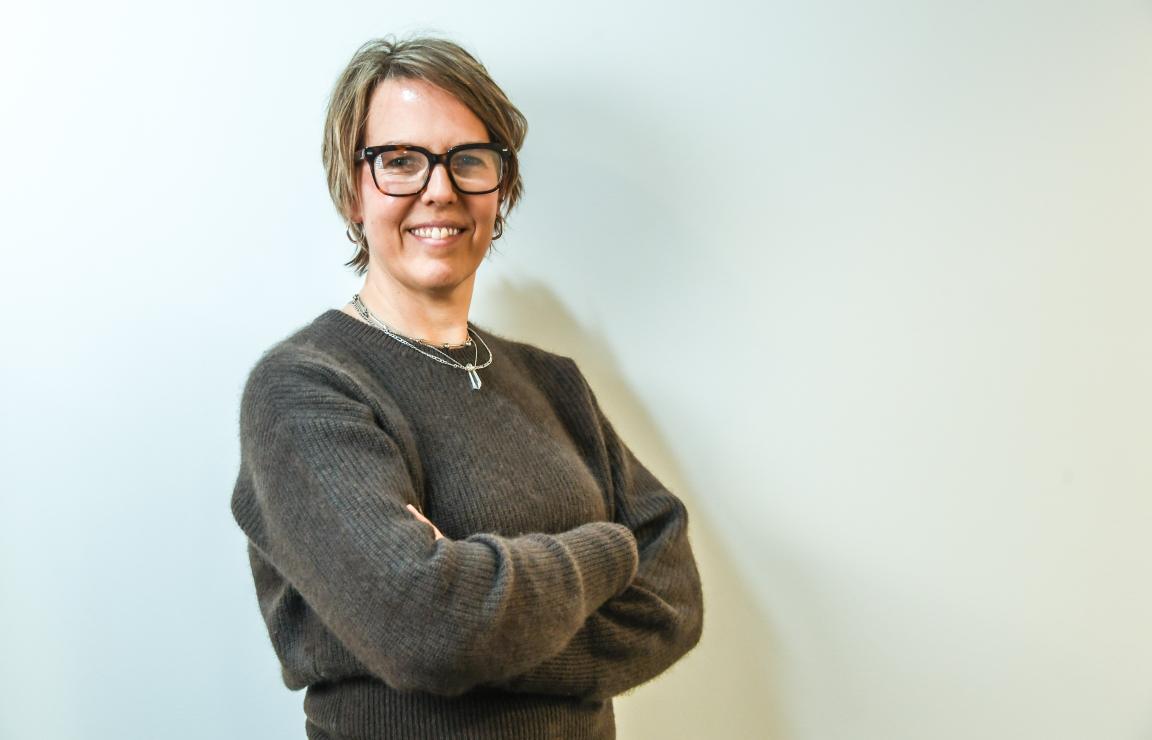
Sally Pryor is a journalist at The Canberra Times, where she has worked for 18 years, beginning in the same week her dad retired. During that time she has covered courts, arts, entertainment and city news, but almost never politics.
This event is delivered in partnership with The Canberra Times.


 Assistance animals welcome

 Hearing induction loop

 Wheelchair accessible
Visit us
Find our opening times, get directions, join a tour, or dine and shop with us.