
Using science research to aid conservation
You are seeking access to an oral history recording. Oral history is by its nature spoken memory. It is a personal opinion and is not to be intended to present the final verified narrative of events.
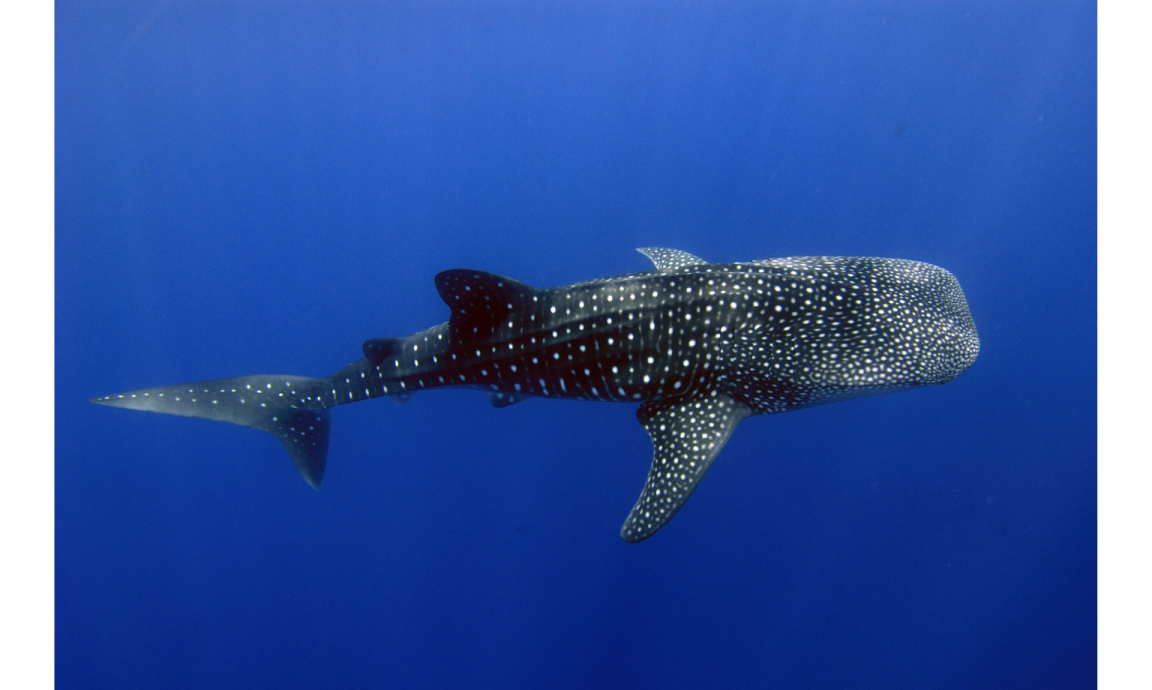
K. Hoppen, Whale Shark, 2008. Copyright Commonwealth of Australia (Reef Authority).
K. Hoppen, Whale Shark, 2008. Copyright Commonwealth of Australia (Reef Authority).
Peculiar Parents introduces us to 60 Australian animal species, focusing on all things family—picking a mate, making a home, having babies, finding food and looking after one another. But how do our scientists find out these quirky facts? How can we use the interest in these animals and scientific knowledge to help continue to protect them? In 2023, Margaret Carroll sat down with marine scientist Bradley Norman as part of the National Library’s Wildlife Conservationists in Australia oral history project to discuss his research on whale sharks at Ningaloo Reef, Western Australia.
Begin by playing the relevant playlists for your students. Each clip has the session and time stamp in the description, to allow for further listening based on student interest. Clips run for about a minute. Encourage students to listen closely or take notes of key themes and ideas. Full interview can be found here: Bradley Norman interviewed by Margaret Carroll
Playlist One: Introduction to Bradley Norman and his research
While listening, encourage students to take notes and listen closely for relevant information as to the scientist involved, their area of research, technology used, data collection and analysis and any questions that they have based on the sound clips.
- What is the core problem that Brad Norman is trying to address?
- What do you think led him to study this field?
- What are the environmental and ecological challenges that someone in this field could face?
- Do you think this field of study is important? Why/Why not?
Playlist Two: Changing Technology and collaboration
Invite students to discuss how Bradley Norman’s whale shark research demonstrates the importance of collaboration in science.
- How have these changing technologies made it possible to track and understand whale shark movements more effectively?
- Could Bradley Norman have completed his research and data analysis alone?
- Reflect on the different experts involved such as the engineers who developed satellite tags, the contacts who helped repurpose the Hubble space technology to analyse spot patterns and the other ecologists from around the world who contributed to observations and technology usage. Create a mind map to demonstrate how each expert supported whale shark research.
- Why is science rarely a solo effort? How does building on past knowledge help us to solve today’s problems?
Playlist Three: Citizen Science and Future Research
Reflect on why Bradley Norman invites the public to help with his research. Encourage students to think about how citizen scientists aid scientific researched to collect more data together than if they investigated solo.
- Why is it important for scientists to educate the public and encourage participation in conservation studies, research and protection efforts?
- How can we, as citizens help to promote further conservations, education and awareness about protecting our local environment?
Consider the unanswered questions that Bradley Norman would still like to answer.
- How could whale shark research have changed or developed since 2023? How can we find out?
- How has Bradley Norman’s research aided conservationists, not just at Ningaloo reef, but on a global scale?
More to explore