

Peculiar Parents – Nature and the Development of Science
The content of this module is based on the book Peculiar Parents by Stephanie Owen Reeder and Ingrid Bartkowiak (NLA Publishing, 2025) and can be used in conjunction with the book.
Using an inquiry-based approach, this module develops students' understanding of the development of scientific research and the impact of citizen science in understanding our natural world.
Copyright for teachers
You can download all collection materials in this resource for education purposes. For more information, go to copyright for teachers.
Before diving into this module, carefully examine the Peculiar Parents book cover with students. What do students notice? Encourage students to predict what the book could be about. Invite students to share their favourite Australian animal, and any fun facts they might know.
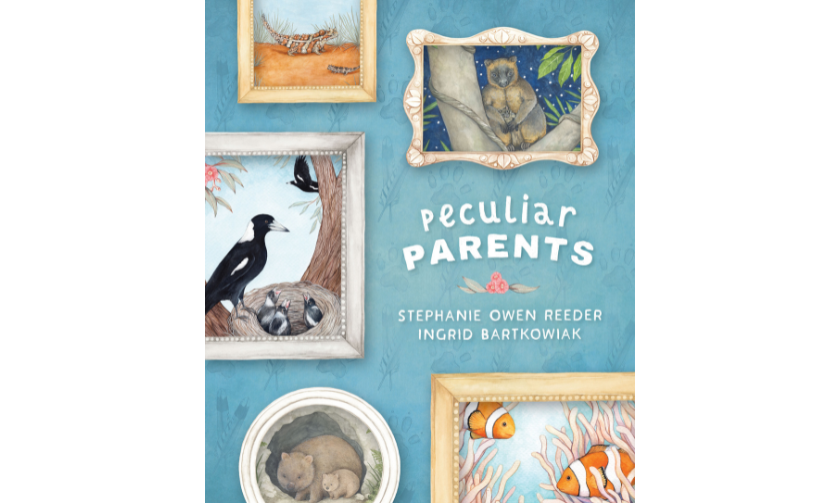
Dr Stephanie Owen Reeder. Peculiar Parents. 2025. https://www.library.gov.au/discover/nla-publishing/peculiar-parents
Dr Stephanie Owen Reeder. Peculiar Parents. 2025. https://www.library.gov.au/discover/nla-publishing/peculiar-parents
Topics in this module
This module covers four key topics.
Each topic includes an introduction to key concepts, links to key resources in our collection and a series of learning activities that cater for a variety of classroom contexts:
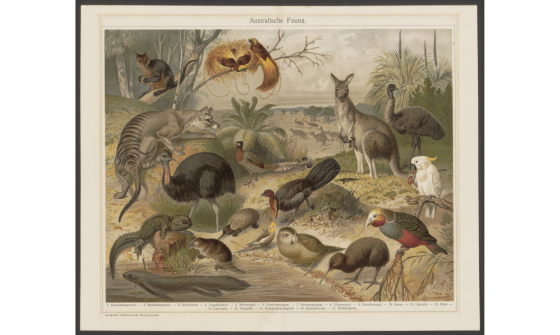
Gustav Mutzel, Australische fauna, c1880s. https://nla.gov.au/nla.obj-136360975
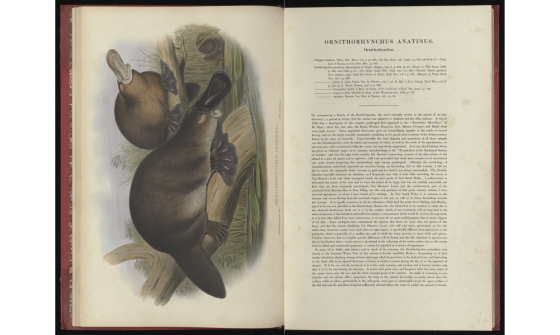
John Gould and Henry Constantine Richter, The mammals of Australia, 1863. http://nla.gov.au/nla.obj-2334463667
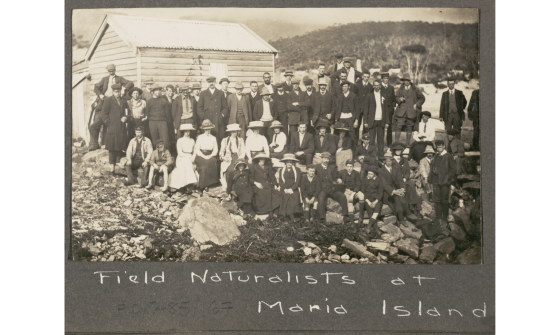
E.W Searle, Field naturalists at Maria Island, 1912 [Tasmania], 1912. http://nla.gov.au/nla.obj-142164875
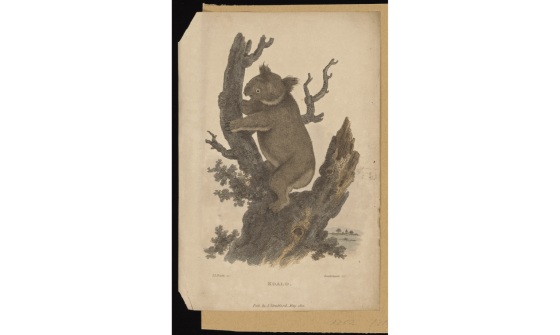
Thomas Lord Busby and Isaac Cruikshank, Koalo [i.e. koala], 1810. nla.gov.au/nla.obj-133278770
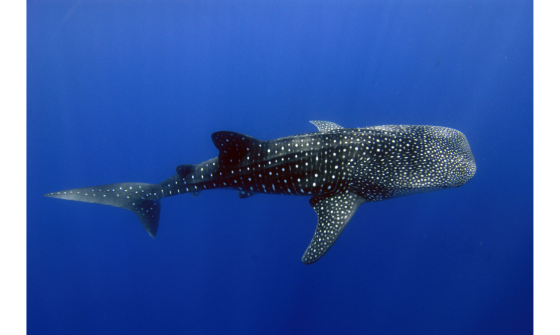
K. Hoppen, Whale Shark, 2008. Copyright Commonwealth of Australia (Reef Authority).
Introductory activities
Activity 1: Imaginative Discussion
Ask students to imagine that they are exploring Australia in the 1700’s and have seen a uniquely Australian animal for the very first time. Discuss:
- How would you describe this animal in a letter to family and friends back home, especially when only able to use comparisons to animals you are familiar with?
- What questions would you have about this animal?
- Considering the technology available in that time, how would you find the answers to these questions?
- What challenges could you face? Would people back home believe you, or think you made the animal up?
- How could you encourage others to join your research and help gather information?
- Some of the animals from this time are now extinct. How could you have used scientific research to help protect that species in the past?
Each of the following topics will explore some of the ideas and predictions made during these conversations. Teachers can use the book Peculiar Parents and the teachers’ notes for more text related activities.
Concluding activities
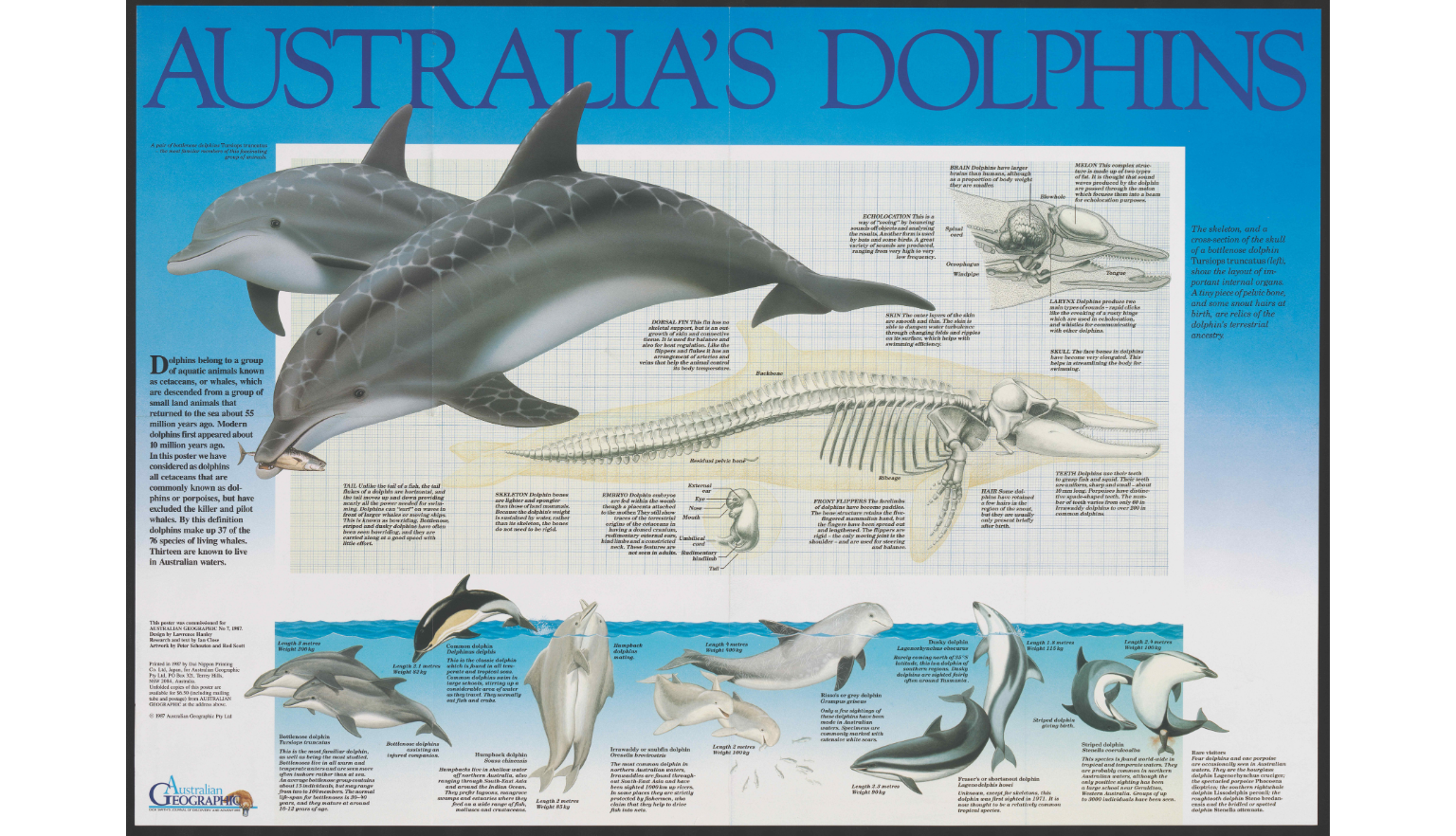
Lawrence Hanley, Ian Close, Peter Schouten, Rod Scott and Australian Geographic, Australia's dolphins, 1987, https://nla.gov.au/nla.obj-133263358
Lawrence Hanley, Ian Close, Peter Schouten, Rod Scott and Australian Geographic, Australia's dolphins, 1987, https://nla.gov.au/nla.obj-133263358
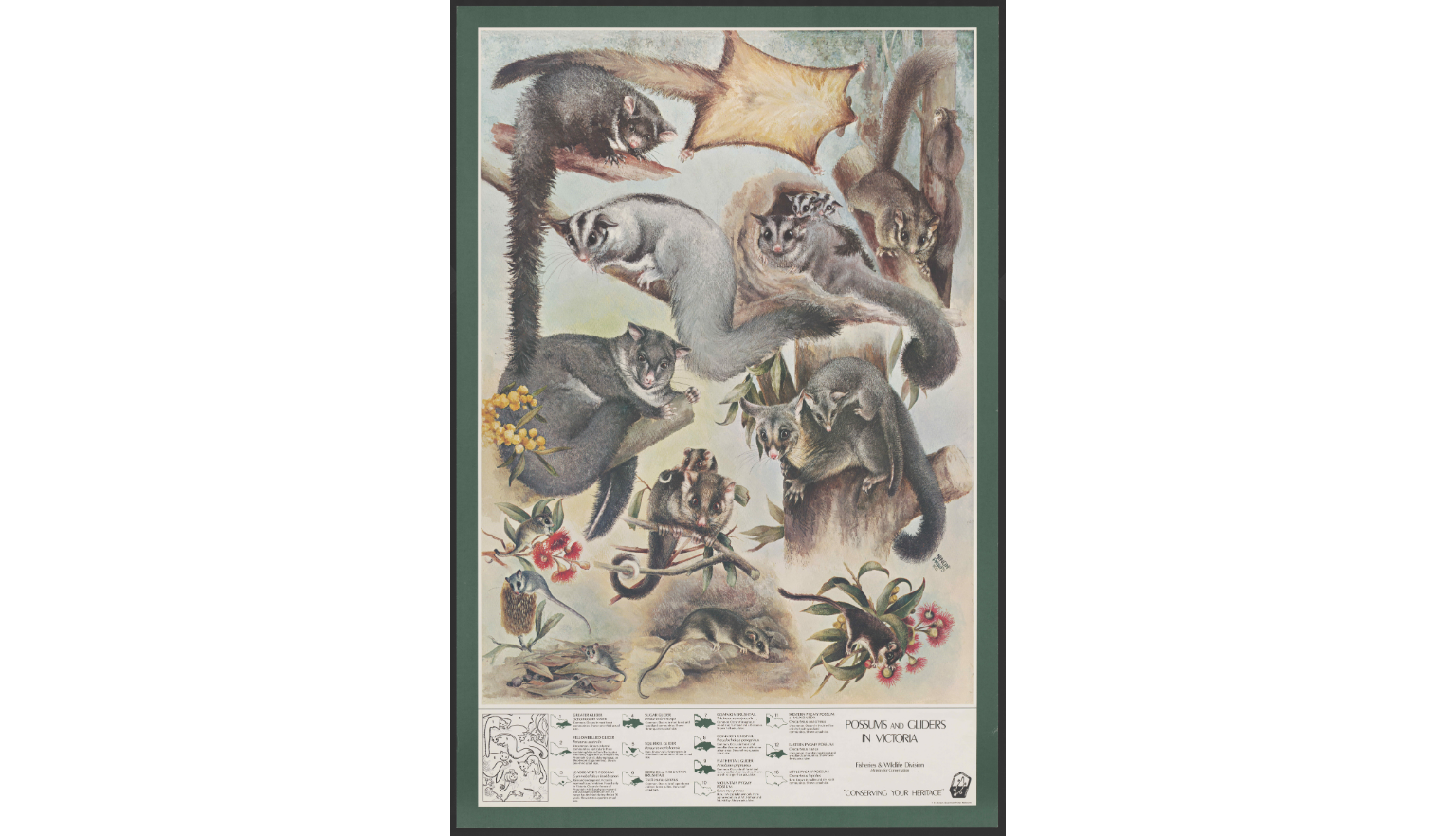
Victoria. Fisheries and Wildlife Division & Ninon Phillips, Possums and gliders posters, 1978, https://nla.gov.au/nla.obj-133118015
Victoria. Fisheries and Wildlife Division & Ninon Phillips, Possums and gliders posters, 1978, https://nla.gov.au/nla.obj-133118015
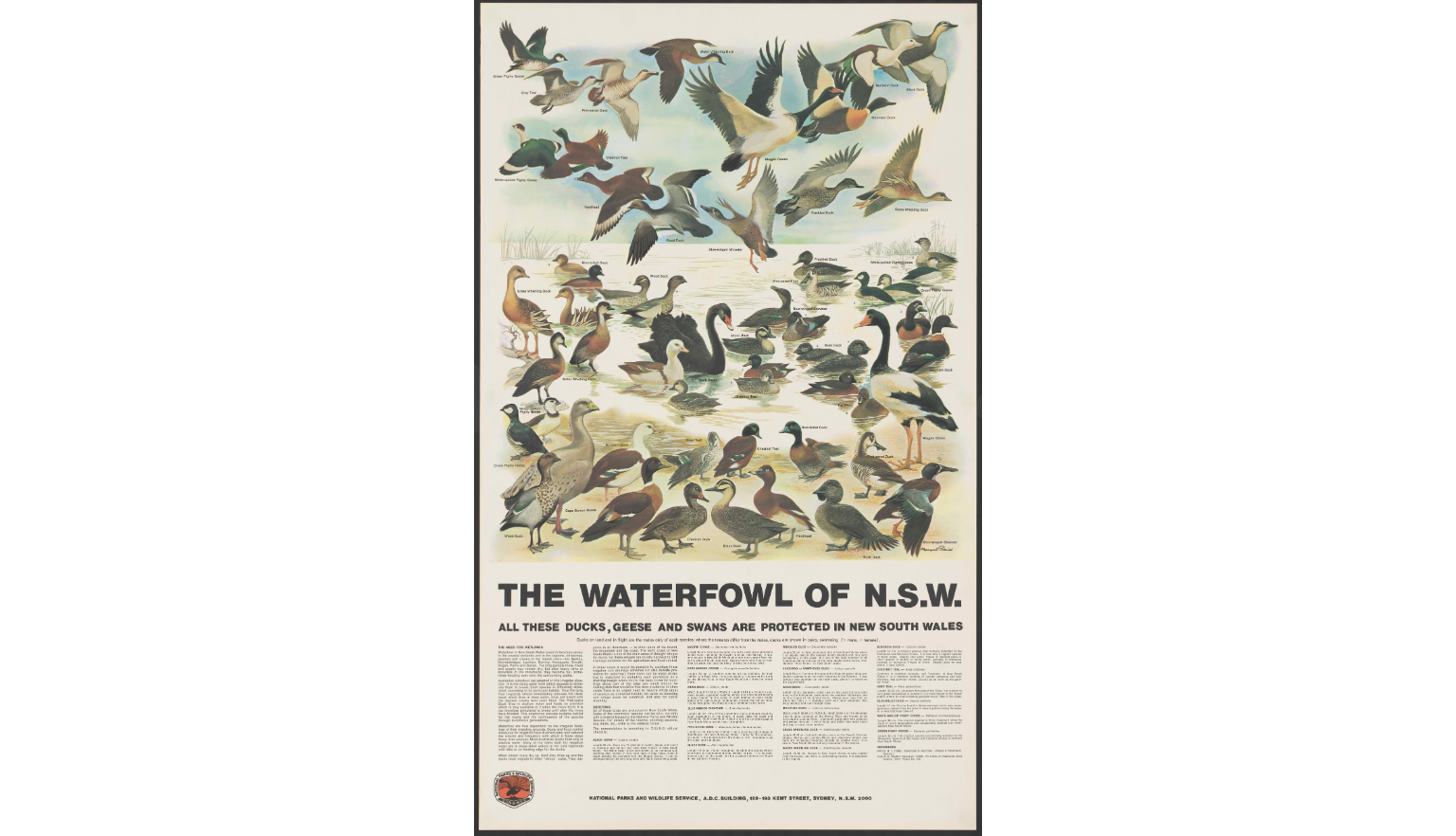
Margaret Senior & New South Wales. National Parks and Wildlife Service, The Waterfowl of N.S.W.: All of these ducks, geese and swans are protected in New South Wales, 1977, https://nla.gov.au/nla.obj-588465609
Margaret Senior & New South Wales. National Parks and Wildlife Service, The Waterfowl of N.S.W.: All of these ducks, geese and swans are protected in New South Wales, 1977, https://nla.gov.au/nla.obj-588465609
Informative poster design
Peculiar Parents uses fun facts to draw the audience in and create interest in Australian fauna. As a class, or in small groups, use the above examples of informative posters to encourage students in creating their own informative posters about a selected Australian animal. Guide students to focus on key topics:
- Compare previous beliefs or early myths about their animal to current scientific knowledge (habitat, diet etc)
- Why this animal matters in the ecosystem
- How individuals can help protect them
- Any peculiar facts to attract interest and attention for the specific audience chosen for this poster.
Encourage students to use a mix of visuals, facts and persuasive and informative language to communicate their message effectively. Allow time for research, planning and drafting before beginning the final poster. Once complete, display posters in a gallery walk, encouraging students to present their findings with peers.
Curriculum links
This resource has been developed with reference to the Australian Curriculum for Years Three to Six “Science as a Human Endeavor: Nature and development of science”.
The resource also has relevance to the General Capabilities of Literacy, Critical and Creative Thinking, Intercultural Understanding, and Personal and Social Capability.
Examine how people use data to develop scientific explanations
Investigating the stories of people who used multiple observations to develop scientific explanations, such as 17th-century entomologist and naturalist Maria Sibylla Merian, who was the first to record the nature of metamorphosis (AC9S3H01)
Viewing or listening to documentaries or news reports that feature researchers and identifying how they talk about their area of research, particularly references to observations, data and evidence (AC9S4H01)
Examine why advances in science are often the result of collaboration or build on the work of others
Researching why European naturalists and scientists first thought the platypus was a faked animal, and how scientists such as those in the Platypus Conservation Initiative are collaborating in ongoing research to understand the features and behaviours of platypuses (AC9S5H01)
Examining why ecologists collaborate with engineers and computer scientists to develop remote sensing techniques, identify patterns in habitat change and make predictions (AC9S6H01)
More to explore