
Digital Classroom | National Library of Australia (NLA)

Digital Classroom

Explore Australia's history at the National Library's Digital Classroom, aligned with the Australian Curriculum. With over 10 million items, we support diverse learning styles, fostering inquiry-based learning for students to analyse sources and draw conclusions about the Australian story.
Showing 13 - 24 of 34 results
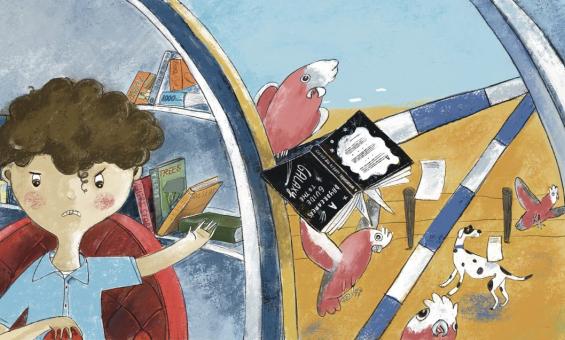
Drawing of a boy throwing a book out of a window

Emma Allen and Lisa Coutts, The Great Book-Swapping Machine, 2021, nla.gov.au/nla.cat-vn8630184
Narratives and story telling

Topic

The word narrative means story. As we write or tell stories, we are creating a narrative by describing a series of events that are connected.

English
Year 3
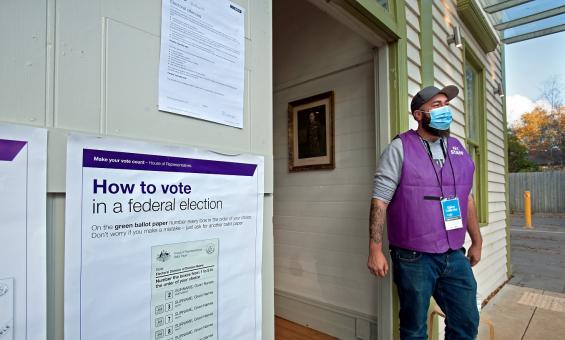
Man wearing face mask and purple vest standing new a doorway. On the wall around the door are instructions on how to vote in a federal election.

Sandy Scheltema, Australian Electoral Commission officer standing next to a 'How to Vote in a Federal Election' poster outside the polling place in Glenlyon Hall, during the Australian federal election, Glenlyon, Victoria, 21 May 2022, nla.gov.au/nla.obj-3108998796
Media literacy skills matter

Topic

We interact with information in a vast array of forms from any number of sources every day. It is becoming increasingly apparent that, to fully participate, navigate and thrive in the modern world, people need the skills and abilities to engage critically with information presented to them.

English
Languages
Mathematics
Teachers
Communications and media
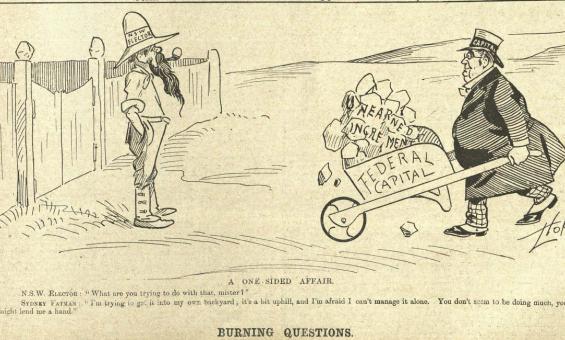
A comic panel on yellowed newspaper paper. A large well-dressed man wearing a top hat that says 'Capital' is pushing a wheelbarrow marked 'Federal Capital' which is full of material marked 'Unearned increments'. He is pushing it towards a a man dressed in workwear wearing a hat marked 'NSW Elector'. The title below the comic reads 'A One-sided Affair'

(1880) The Bulletin, nla.gov.au/nla.obj-683703369
Media and information literacy

Module 

A resource for educators teaching digital and/or media literacy in their classrooms. 

English
Languages
Mathematics
Teachers
Communications and media
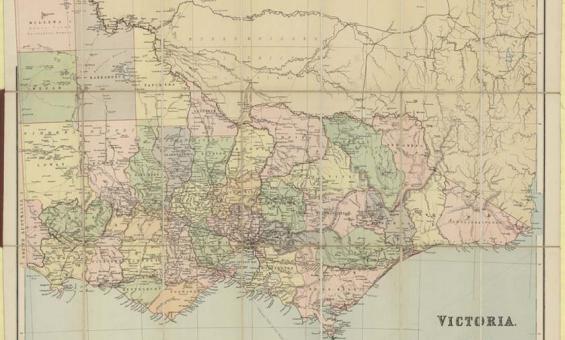
A photo of a map of Victoria with pastel colour shaded areas of green, pink, purple, orange and yellow

George Philip & Son, Victoria, 1885, nla.gov.au/nla.obj-232528783
Literature by Joan Lindsay – 'Picnic at Hanging Rock'

Topic

This activity provides students with context and background information about the physical location and cultural environment in which Picnic at Hanging Rock is set.

English
Year 7
Literature and writing
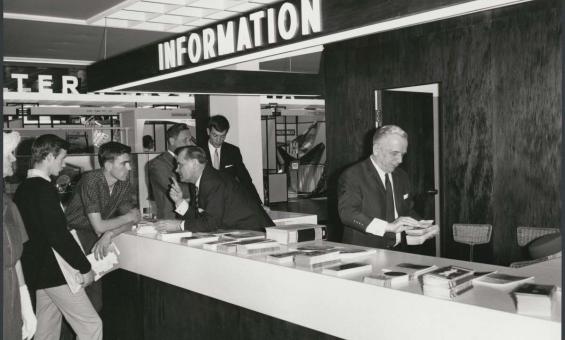
A black and white photograph of a group of men standing at a white information desk. Above the desk is a large sign that says INFORMATION. Men behind the counter and speaking and hanging out brochures.

Wolfgang Sievers, Information desk at German stand, Exhibition Building, Melbourne, Victoria 1966, nla.gov.au/nla.obj-161478886
Information sources

Topic

Information is all around us, every day. Regardless of whether we are looking for the information or having it presented to us unexpectedly, it is easy to become overwhelmed by the amount of data we are exposed to.

English
Languages
Mathematics
Teachers
Communications and media
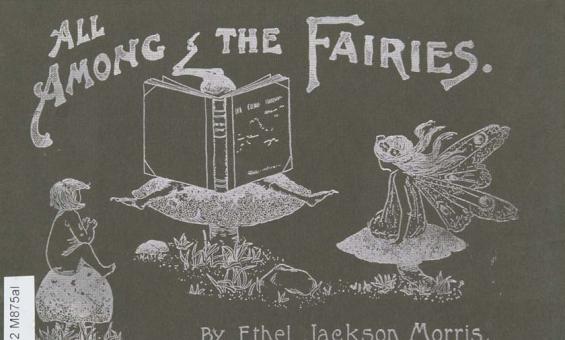
Cover of book All Among the Fairies

Ethel Jackson Morris, All among the fairies, 1909, nla.gov.au/nla.obj-22387121
Imagination and fantasy

Topic

Authors and illustrators of children’s books bring imaginary and distorted worlds to life, creating works inhabited by curious creatures and magical beings. These works include fairy tales and fantasy books.

English
Year 4
Literature and writing
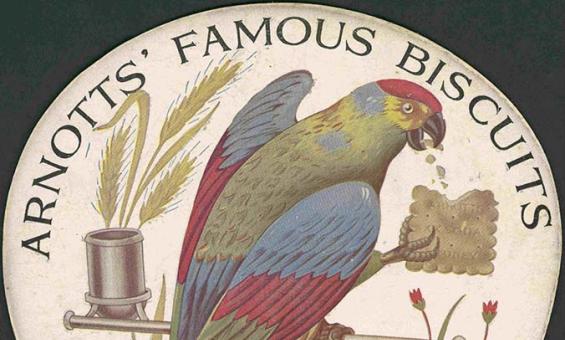
fan depicting king parrot eating an Arnott's cracker

[Food industry - biscuits and cakes : trade catalogues ephemera collected by the National Library of Australia], nla.gov.au/nla.obj-84640628
Iconic brands and early ads

Topic

Advertising campaigns for iconic Australian brands and early ads.

Arts
English
Humanities
Year 10
Art, drawing and illustration
Australian history
Literature and writing
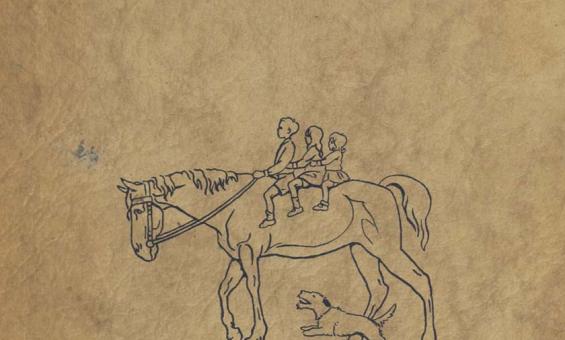
Cover of book Us Three Outback

Ruth Hawker and Nora Young, Us three outback, 1932, nla.gov.au/nla.obj-3589536
Family, friends and identity

Topic

Children develop their sense of self through relationships with friends and families. Many early Australian children’s novels depict families on the move from Britain to Australia. Some struggled to establish a life in the harsh outback.

English
Year 4
Literature and writing
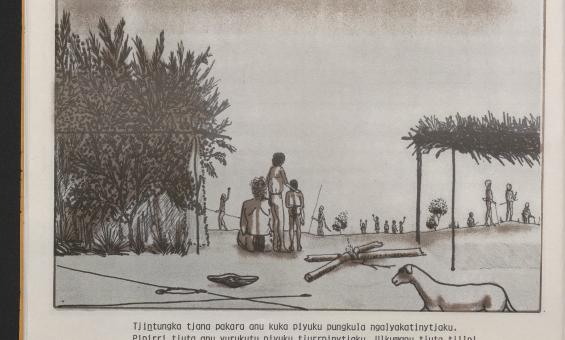
Page from 'maamangku mgurriningi palumpa yuntalpaku', line art depicting a group of three watching community

Sabrina Ferguson Nakamarra, Dennis Nelson and Papunya Literature Production Centre, Maamangku ngurriningi palumpa yuntalpaku, 1987, nla.gov.au/nla.obj-3285693260
Family, care, and responsibility

Topic
Family, kinship, care, responsibility

Arts
English
Humanities
Year 4
Year 5
Year 6
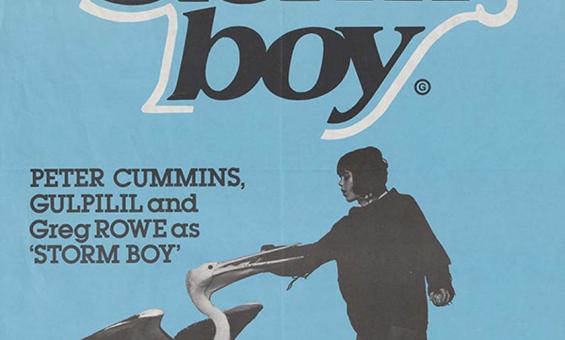
Poster for movie Storm Boy

Every year has its special film - this year it's... [picture] : Storm Boy, 1976 nla.gov.au/nla.obj-133752089
Environment and animals

Topic

Authors have used the beauty, harshness and problems of our land to tell their stories, often basing their stories in familiar locations and using their reaction to a particular environment as the central theme.

English
Year 4
Literature and writing
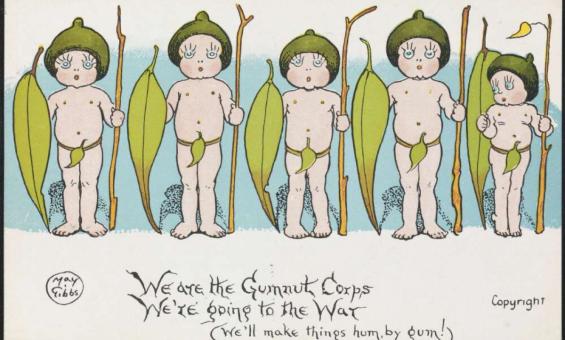
Five figures depicted on postcard with captioned rhyme.

May Gibbs, We are the Gumnut Corps, we're going to war, 1916, nla.gov.au/nla.obj-153093166
Early children's fiction in Australia

Topic

The Library has an extensive collection of Australian children’s literature ranging from the first children’s book published in Australia to the latest releases.

English
Year 3
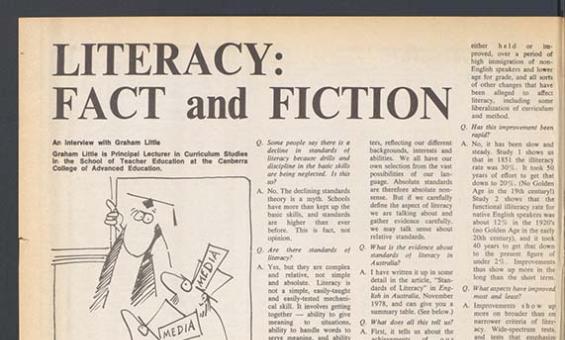
A page of a newspaper with the headline 'LITERACY: FACT and FICTION'. The page also includes cartoons and black and white photos

N.S.W. Teachers' Federation & New South Wales Public School Teachers' Federation. (1919). LITERACY: FACT and FICTION, Education : journal of the N.S.W. Public School Teachers Federation, nla.gov.au/nla.obj-710682297

Defining literacies

Topic

Media, information and digital literacy, by their most basic definitions, relate to a person’s skills and ability to locate, create, use and engage critically with information in a range of formats.

English
Languages
Mathematics
Teachers
Communications and media

Need help?

Our librarians are here to guide you.

Ask a librarian