Digital Classroom | National Library of Australia (NLA)

Digital Classroom

Explore Australia's history at the National Library's Digital Classroom, aligned with the Australian Curriculum. With over 10 million items, we support diverse learning styles, fostering inquiry-based learning for students to analyse sources and draw conclusions about the Australian story.
Showing 1 - 12 of 28 results
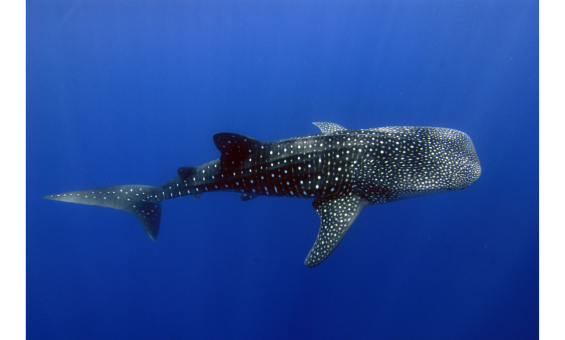
A photograph of a Whale Shark (black with white spots), swimming underwater, Copyright Commonwealth of Australia (Reef Authority).
K. Hoppen, Whale Shark, 2008. Copyright Commonwealth of Australia (Reef Authority).

Using science research to aid conservation

Topic
This topic uses an oral history interview with Bradley Norman talk about his research into Whale Sharks, particularly in reference to observations, data and evidence.

Science
Year 3
Year 4
Year 5
Year 6
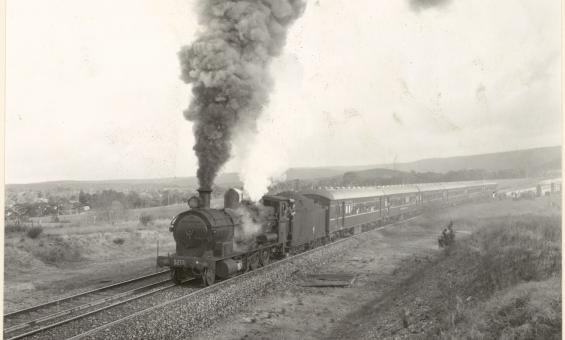
A black and white photograph showing a steam train on a track

Ian Mitchell & Australian News and Information Bureau, Steam locomotive hauling a passenger train on the Southern Highlands of New South Wales, 1970, nla.gov.au/nla.obj-137739465
Transport

Topic

In the 1970s, the ways people moved around the country and around the world was changing. 

Humanities
Year 3
Australian history
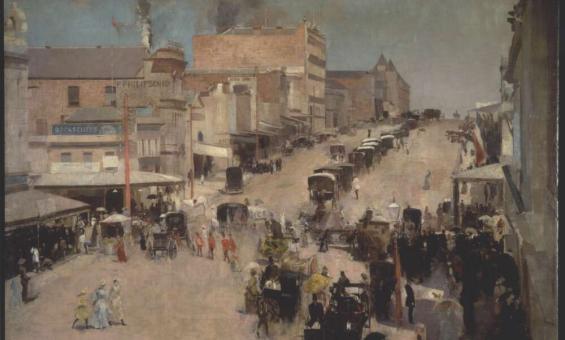
A streetscape of Bourke street, Melbourne.

Tom Roberts, Bourke Street, Melbourne, 1885, nla.gov.au/nla.obj-134285521
Time and place

Module

Explore how communities evolve over time, how different cultures influence and contribute to communities, and how symbols convey meaning.

Humanities
Year 3
Australian history
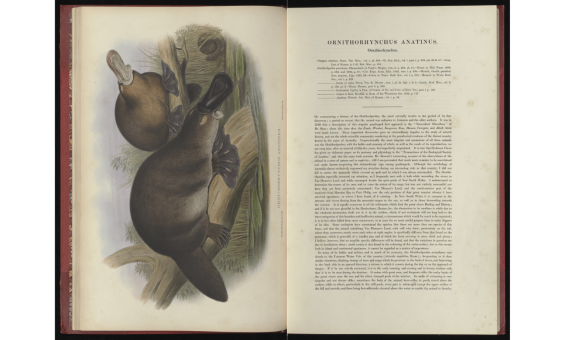
An image of an open book, with the left page featuring a full-page hand drawn colour image of two platypus from 1863 and the right page featuring a large block of text.

John Gould and Henry Constantine Richter, The mammals of Australia, 1863. http://nla.gov.au/nla.obj-2334463667
The Platypus Mystery

Topic
This topic encourages students to research why European naturalists and scientists first thought the platypus was a faked animal.

Science
Year 3
Year 4
Year 5
Year 6
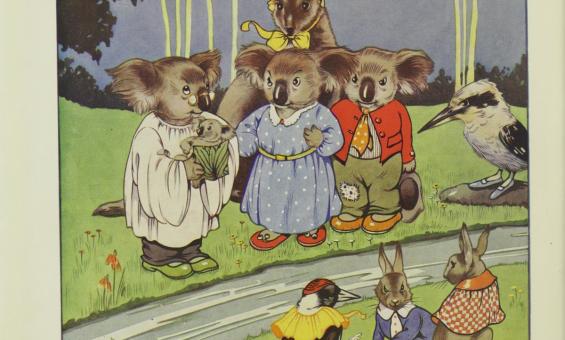
A colourful illustration featuring a group of anthropomorphic koalas dressed in clothes, along with other animals like rabbits and birds, gathered in a grassy area. A caption reads, "What shall I name this young bear?"

Dorothy Wall, Blinky Bill: The Quaint Little Australian, 1933, nla.gov.au/nla.obj-943876
Symbols in children's literature

Topic 

For students to explore the depiction, representation and meaning of Australian symbols through beloved stories like Blinky Bill and Possum Magic.

Humanities
Year 3
Australian history
Literature and writing
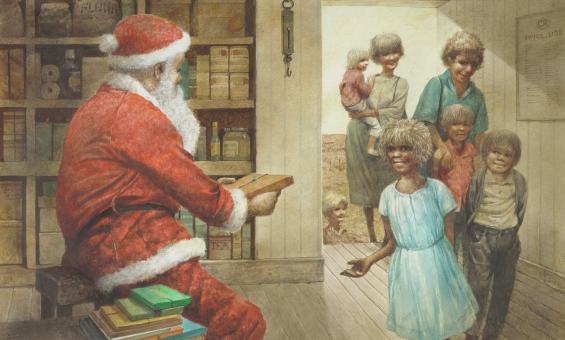
Santa Claus presenting gift to family entering the room

Jane Jolly and Robert Ingpen, Tea and Sugar Christmas, 2014, nla.gov.au/nla.cat-vn6420587
Picture books

Topic

Reading picture books is important in speech development, building literacy skills, helping children to use their imagination.

English
Year 3
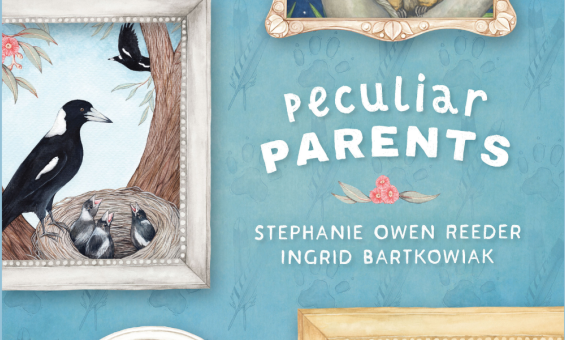
Cover for 'Peculiar Parents' by Stephanie Owen Reeder and illustrated by Ingrid Bartkowiak, featuring illustrations of framed animal pictures on a blue background
Peculiar Parents – Nature and the Development of Science

Module
This Digital Classroom module encourages students to dive into the science behind Australia’s peculiar fauna. Aligned with Australian Curriculum: Science and Humanities and Social Sciences for Year Three to Six students, this module encourages students to develop their understanding of how scientific research development and technologies has helped aid our understanding and ability to protect unique Australian fauna.

Science
Year 3
Year 4
Year 5
Year 6
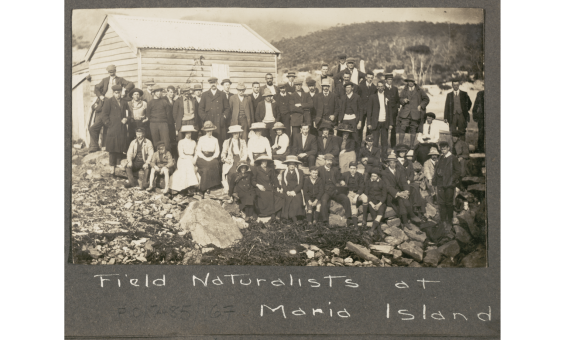
A black and white photo of a large group of men, women and children from a Tasmanian field expedition in 1912.

E.W Searle, Field naturalists at Maria Island, 1912 [Tasmania], 1912. http://nla.gov.au/nla.obj-142164875
Naturalist observations and citizen science

Topic
This topic explores the contribution of citizen science to scientific studies.

Science
Year 3
Year 4
Year 5
Year 6
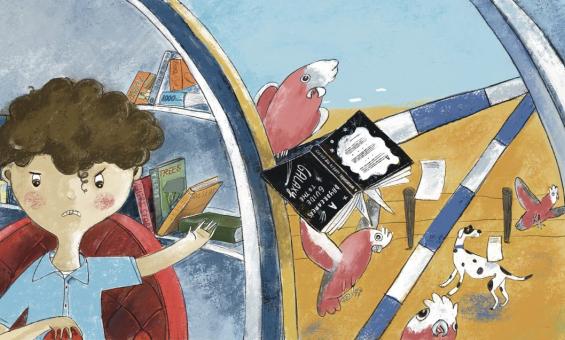
Drawing of a boy throwing a book out of a window

Emma Allen and Lisa Coutts, The Great Book-Swapping Machine, 2021, nla.gov.au/nla.cat-vn8630184
Narratives and story telling

Topic

The word narrative means story. As we write or tell stories, we are creating a narrative by describing a series of events that are connected.

English
Year 3
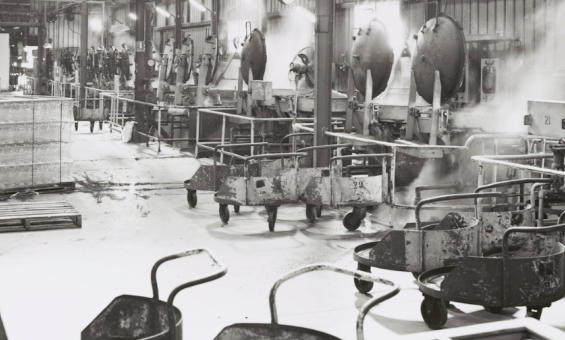
Black and white photo of a factory floor lined with steaming pressure cookers.

Robert Deane, Retort line cooking tins of pie apple. Mountain Maid Pty., Ltd., Batlow, New South Wales, 1997, nla.gov.au/nla.obj-143408852
Multiplication

Topic

Recipes can be multiplied (scaled up) to increase the number of serves (portions) or people being fed. 

Mathematics
Year 3
Year 4
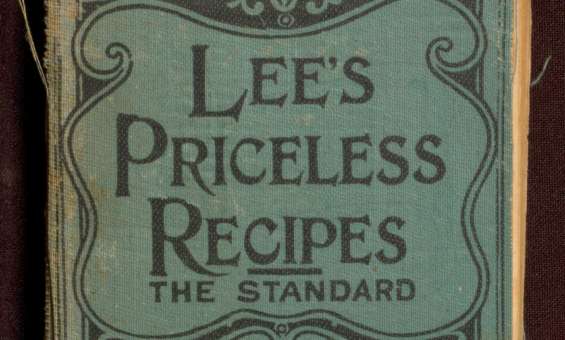
Book cover for 'Lee’s Priceless Recipes'

William H Lee, N T Oliver & C Van Zandt, Lee's priceless recipes : the standard collection of famous formulas and simple methods (detail), 1912, nla.gov.au/nla.obj-2334677540
Measurement

Topic

The Metric System became Australia’s formal measurement system in 1970.

Mathematics
Year 3
Year 4
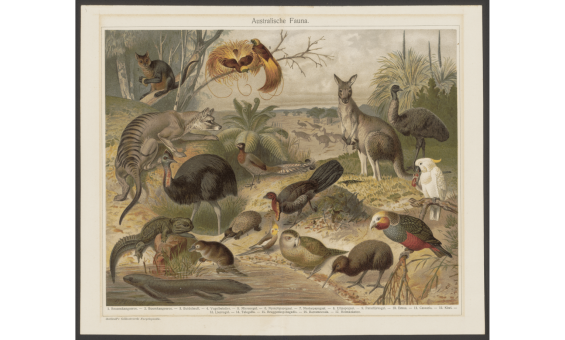
A hand drawn, colourised image of seventeen Australian animals including fish, lizards, birds and mammals from the early 1880s.

Gustav Mutzel, Australische fauna, c1880s. https://nla.gov.au/nla.obj-136360975

First Australians’ contributions to early Australian science

Topic
This topic encourages students to connect with local First Australians groups to explore traditional knowledge of flora and fauna.

Science
Year 3
Year 4
Year 5
Year 6

Need help?

Our librarians are here to guide you.

Ask a librarian