
Reading the Papunya Readers – themes and purposes
Stories from Papunya help people to understand how to live well on Country. Each story is shared intentionally and carries knowledge that guides understanding over time. Some share learnings about responsibility and ways of living on Country, often by showing consequences when care is not taken. Others explore danger explore danger, fear, and misunderstanding helping readers learn how to recognise risks and respond with care.
Stories are often told before danger is encountered to offer guidance. By returning to them over time, readers build understanding about how to move through Country with care, awareness and attention. In this way, stories help people recognise potential risks and responsibilities before they arise, supporting thoughtful and careful ways of living on Country.
For children, these narratives support learning by making complex ideas about behaviour, safety, and respect easier to understand. Learning happens through narrative, with readers returning to stories over time and remembering what they show.
Sharing stories in this way allows knowledge to be passed through generations, supporting continued understanding of how to live well on and care for Country.
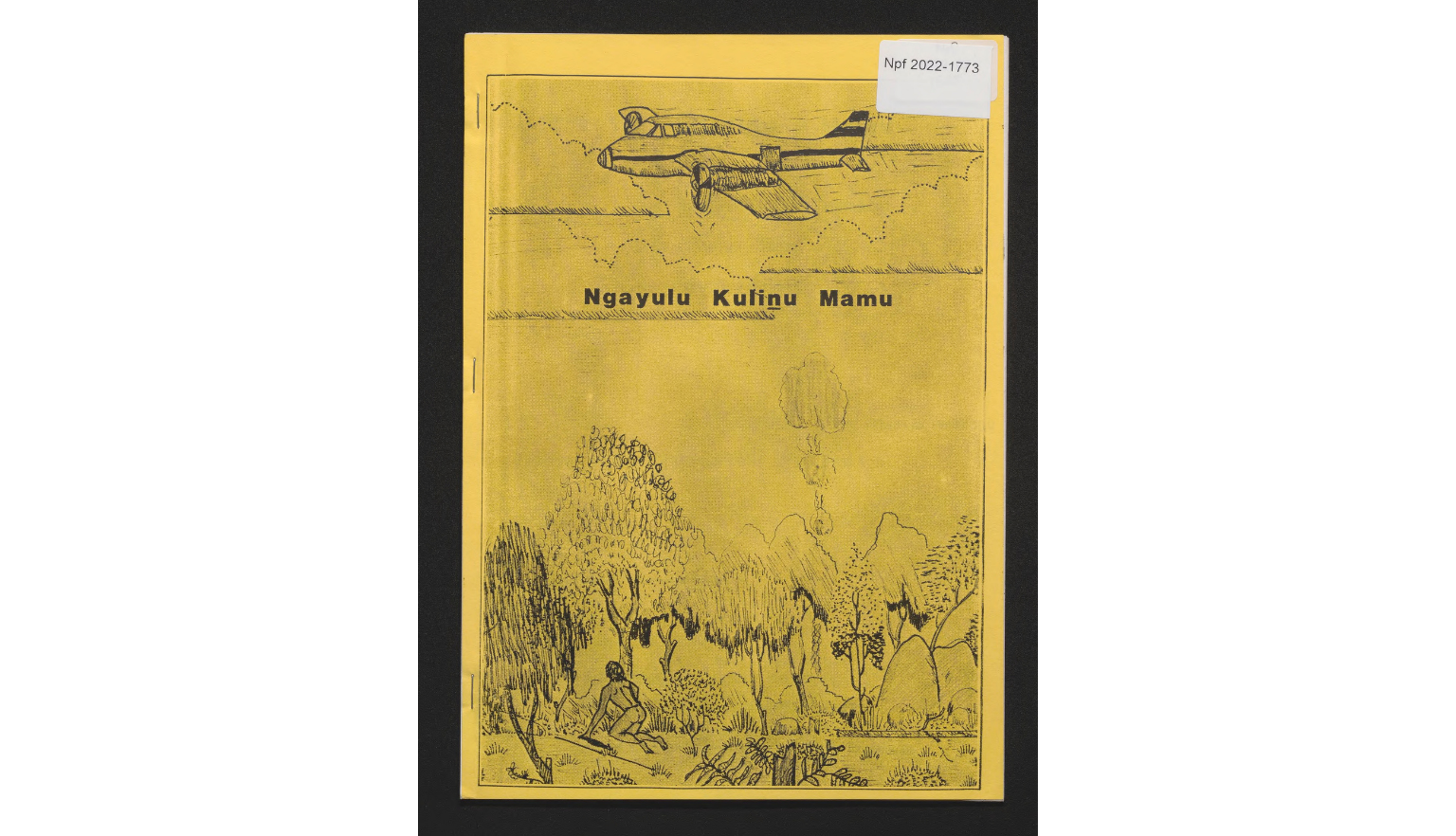
Johnny Warangkula Tjupurrula, Dennis Nelson and Papunya Literature Production Centre, Ngayulu kuliṉu mamu, 1988, nla.gov.au/nla.obj-3285463424
Johnny Warangkula Tjupurrula, Dennis Nelson and Papunya Literature Production Centre, Ngayulu kuliṉu mamu, 1988, nla.gov.au/nla.obj-3285463424
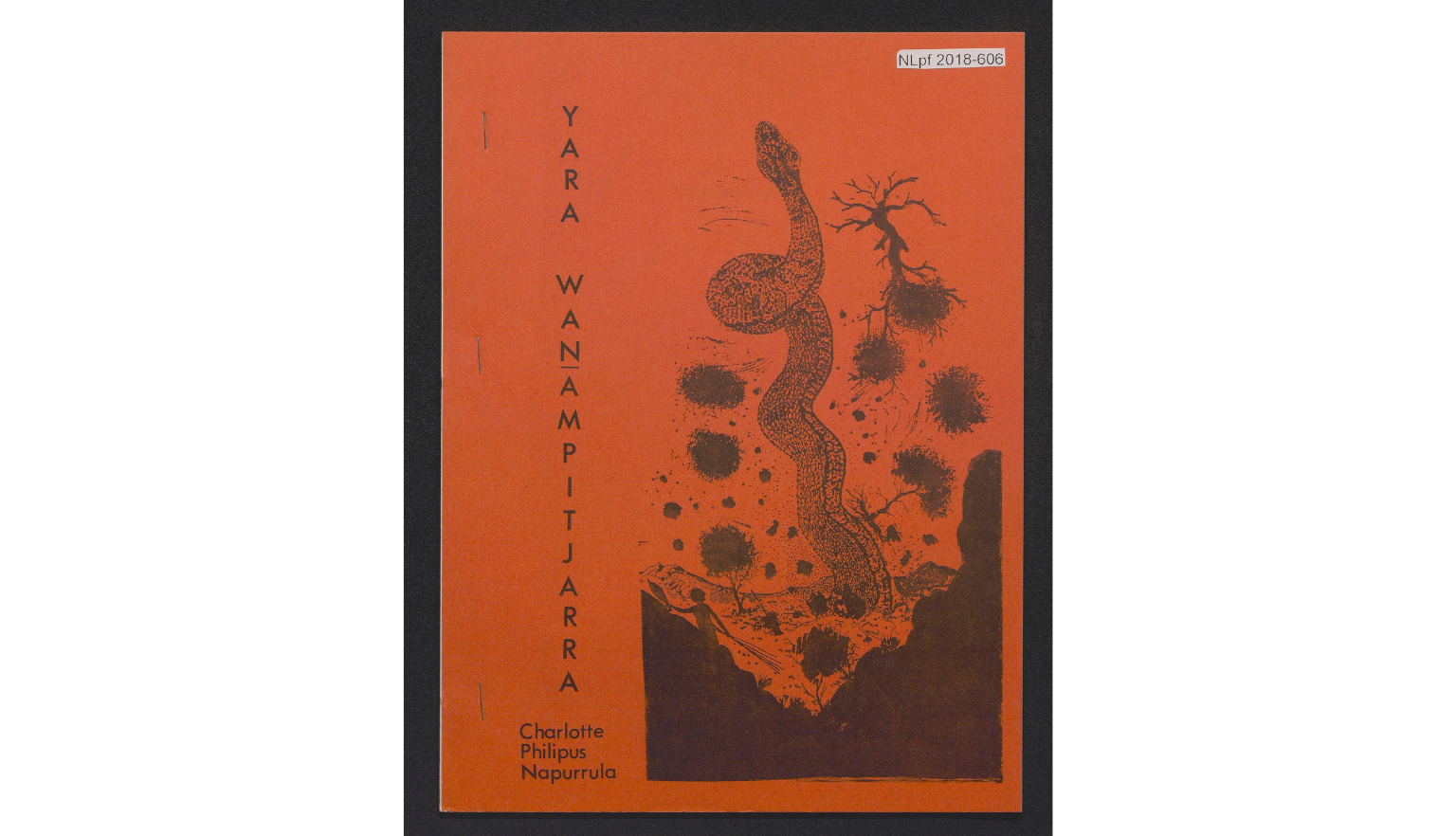
Charlotte Phillipus Nupurrula, Thomas Stevens Tjapangati and Papunya Literature Production Centre, Yara waṉampitjarra, 1984, nla.gov.au/nla.obj-3286274841
Charlotte Phillipus Nupurrula, Thomas Stevens Tjapangati and Papunya Literature Production Centre, Yara waṉampitjarra, 1984, nla.gov.au/nla.obj-3286274841
Papunya readers Yara waṉampitjarra and Ngayulu kulinu mamu explore situations where misunderstanding or lack of awareness leads to danger, showing why care, attention and respect are necessary when living on Country. Through narrative, they help readers recognise risk and understand the importance of acting carefully within Country.
Activity: Learning through stories
As a class, explore the concept of cautionary tales, finding examples such as The Lorax and The Boy Who Cried Wolf. What are the lessons you can learn from these stories?
Brainstorm some dangerous situations that students need to be aware of in their local environment (crossing roads, stranger danger, magpies, crocodiles, snakes etc.)
Divide into small groups and invite students to weave their own cautionary tale by using four main sections.
- Outline a danger or boundary for which students might like to raise awareness.
- How does the main character ignore this warning?
- What are the consequences that the character faces?
- What is the message you want the reader to take away from this story? How can you make sure this comes across in your tale?
Write and illustrate the story to share with your class.
More to explore