
Storytelling ways: oral, written, visual
Stories are shared in many ways including spoken, visual, and written forms. Language is often first learned through listening, with repetition of stories, phrases and lines helping people recognise words, rhythm, and sound before written text is introduced.
Visual literacy is also an important part of language development. In the Papunya readers, visual storytelling provides information about characters, actions, and relationships, helping readers connect words to meaning. This is particularly important in multilingual communities where children are learning to read while navigating several languages.
While the Papunya readers include a range of texts, they continue to honour oral storytelling tradition by prioritising visual storytelling and spoken language. For example, Walypalalitju lurtjurinytjaku is written in Pintupi language with no English translation. To derive meaning from the text, readers who do not speak Pintupi rely on the illustrations to understand the story using the image to interpret the characters, actions and relationships. In this way, visual storytelling may support readers in making meaning from the text, even if they do not speak Pintupi. A similar approach can be seen in Piḻkaṯi anta rikuta, where visual storytelling plays a key role in showing relationships between people, animals and Country.
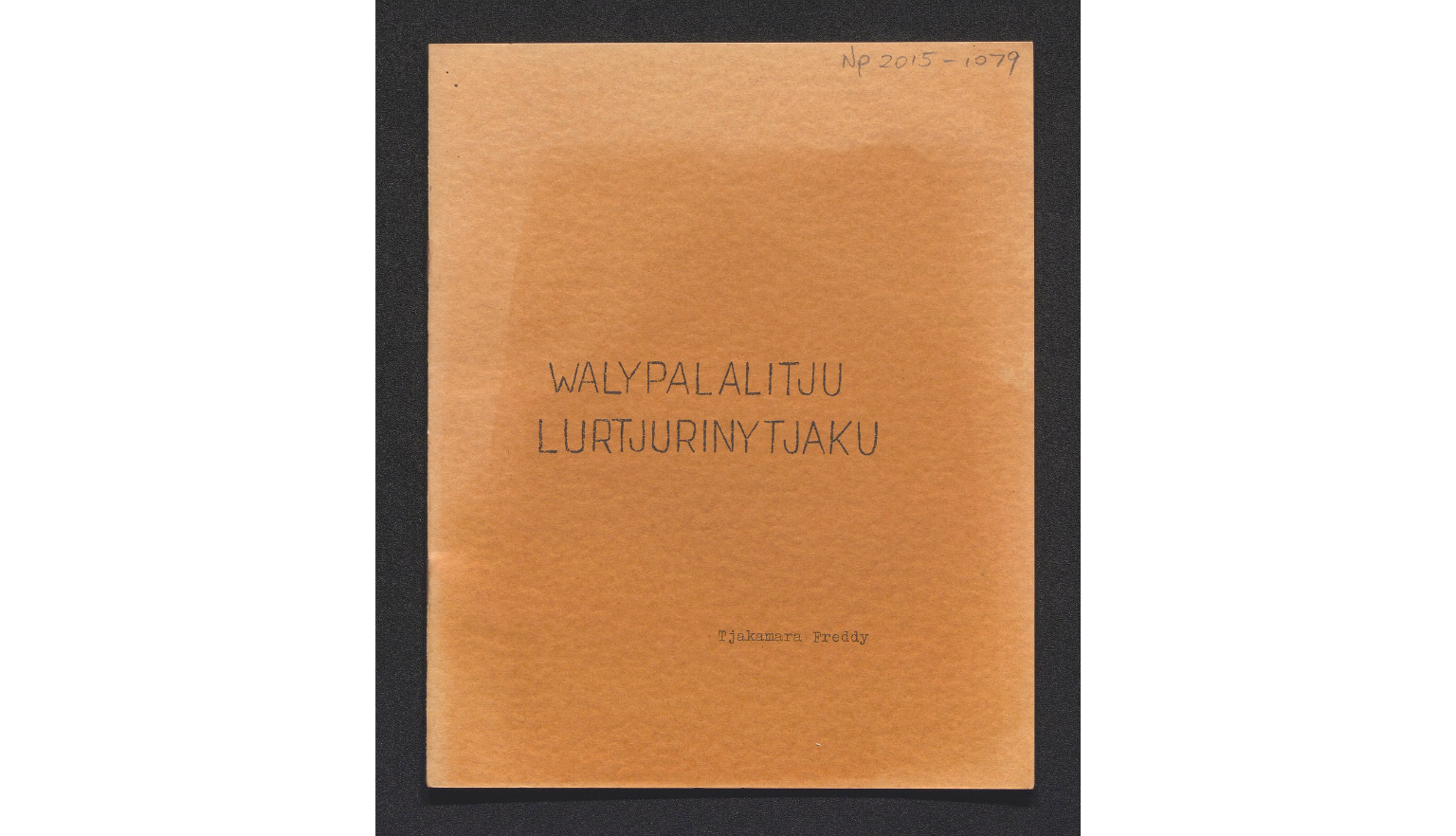
Freddy Tjakamara, L E Hansen, K C Hansen and Summer Institute of Linguistics, Walypalalitju lurtjurinytjaku, 1969, nla.gov.au/nla.obj-3285453900
Freddy Tjakamara, L E Hansen, K C Hansen and Summer Institute of Linguistics, Walypalalitju lurtjurinytjaku, 1969, nla.gov.au/nla.obj-3285453900
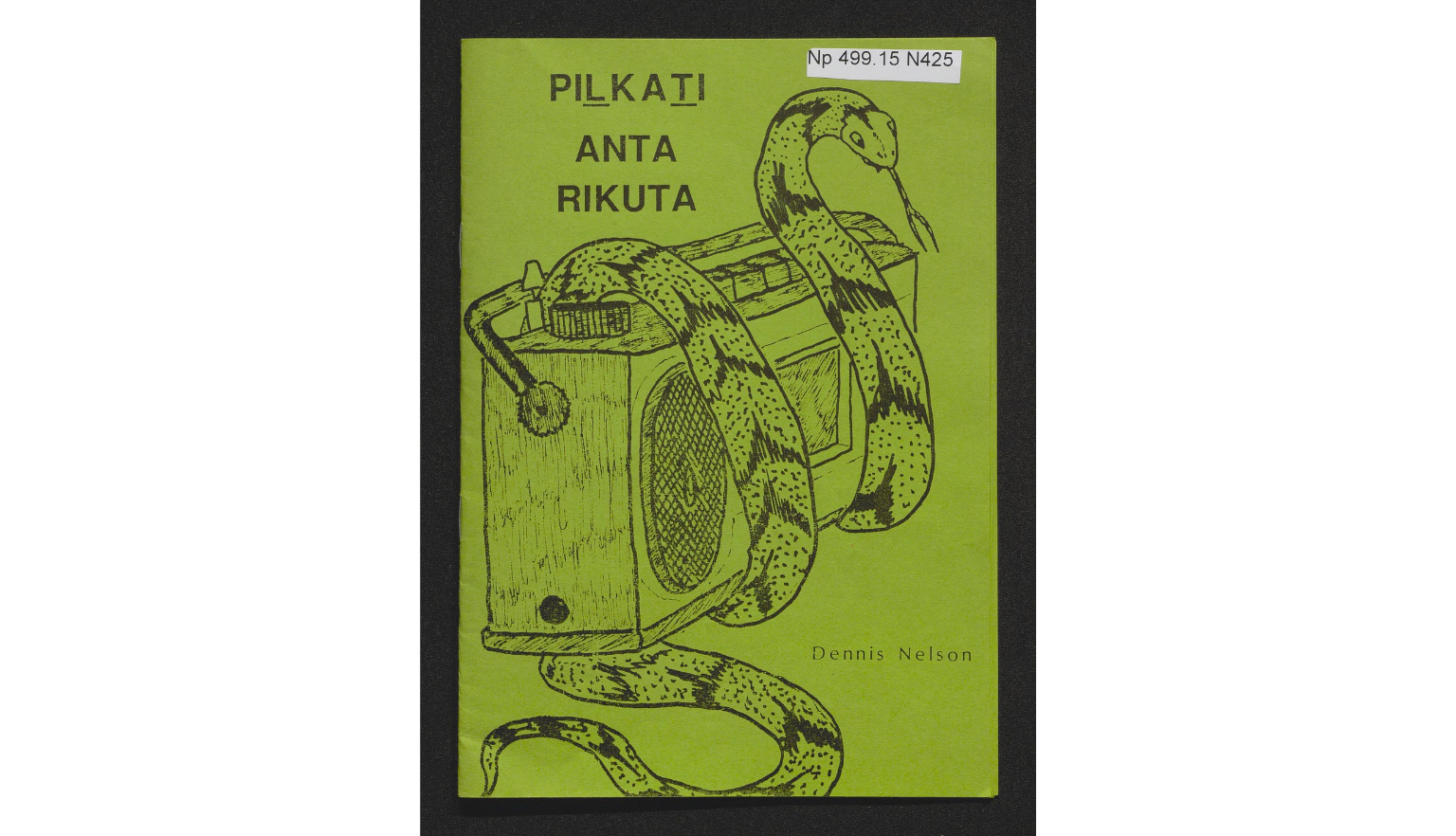
Kuḻaṯa Dennis Nelson and Papunya Literature Production Centre, Piḻkaṯi anta rikuta [The snake and the recorder], 1990, nla.obj-3286603500
Kuḻaṯa Dennis Nelson and Papunya Literature Production Centre, Piḻkaṯi anta rikuta [The snake and the recorder], 1990, nla.obj-3286603500
As written texts, the readers allow stories to be revisited over time which supports language learning alongside developing critical oral and visual storytelling. Returning to a text allows stories to be remembered over time and helps readers build confidence. Sharing stories in different ways supports language learning, understanding, and connection to Country.
Activity: Visual Storytelling
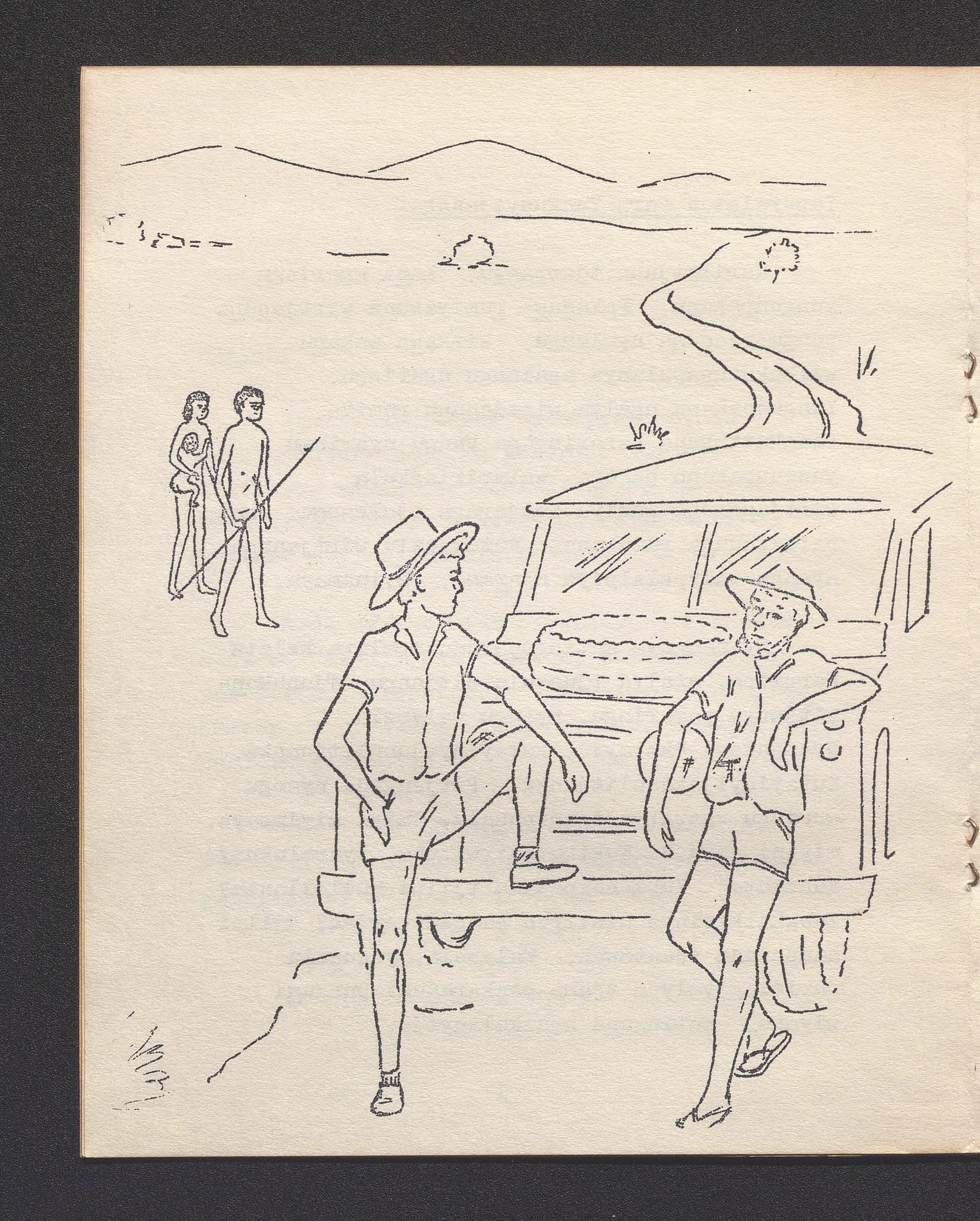
Freddy Tjakamara, L E Hansen, K C Hansen and Summer Institute of Linguistics, Walypalalitju lurtjurinytjaku, 1969, nla.gov.au/nla.obj-3285453900
Using the image from Walypalalitju lurtjurinytjaku look at everything on the page. Invite students to share what they can see in the image. What do they think the characters are doing and why? Are there any facial expressions or body language that can tell you how the people are feeling? What objects are present and why? As students begin to tell more about what they are noticing, they will begin to weave their own story.
More to explore