Digital Classroom | National Library of Australia (NLA)

Digital Classroom

Explore Australia's history at the National Library's Digital Classroom, aligned with the Australian Curriculum. With over 10 million items, we support diverse learning styles, fostering inquiry-based learning for students to analyse sources and draw conclusions about the Australian story.
Showing 1 - 12 of 26 results
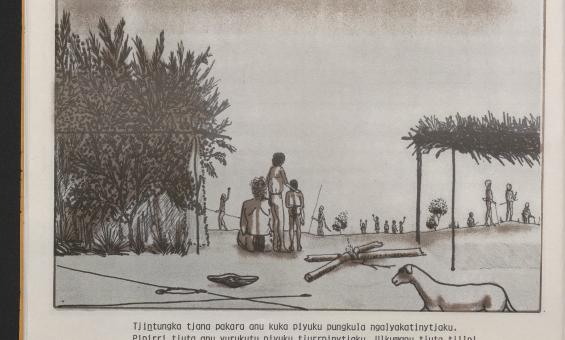
Page from 'maamangku mgurriningi palumpa yuntalpaku', line art depicting a group of three watching community

Sabrina Ferguson Nakamarra, Dennis Nelson and Papunya Literature Production Centre, Maamangku ngurriningi palumpa yuntalpaku, 1987, nla.gov.au/nla.obj-3285693260
Family, care, and responsibility

Topic
Family, kinship, care, responsibility

Arts
English
Humanities
Year 4
Year 5
Year 6
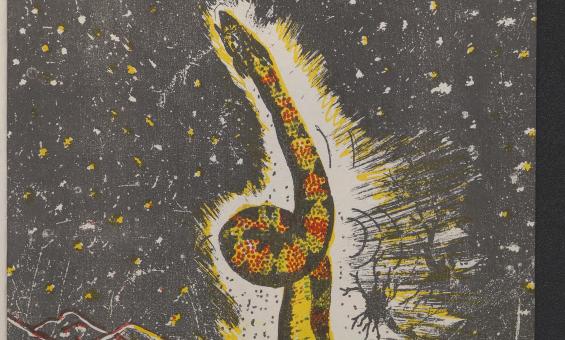
A black snake, with red and yellow snake emerging from the darkness a white and yellow glow surrounding it

Charlotte Phillipus Nupurrula, Thomas Stevens Tjapangati and Papunya Literature Production Centre, Yara waṉampitjarra, 1984, nla.gov.au/nla.obj-3286350047
Reading the Papunya Readers – themes and purposes

Topic
What stories do, and why they exist.

Arts
English
Humanities
Year 4
Year 5
Year 6
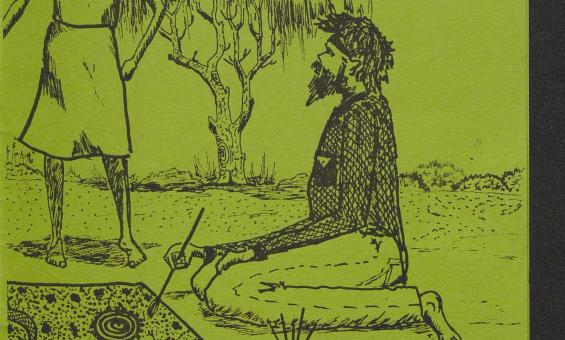
Green book cover, with a kneeling man painting, someone is talking to him, book is titled Palulanguru kungka ngalyankula wangkangu tjilpi palumpakutu

Kuḻaṯa Dennis Nelson and Papunya Literature Production Centre, Piḻkaṯi anta rikuta [The snake and the recorder], 1990, nla.gov.au/nla.obj-3286644847

Storytelling ways: oral, written, visual

Topic
How stories are shared and remembered.

Arts
English
Humanities
Year 4
Year 5
Year 6
Orange cover titled Rumiyakamu Lungkata

Charlotte Phillipus Nupurrula, Abraham Stockman Tjungarrayi and Papunya Literature Production Centre, Rumiyakamu lungkata, 1987, nla.gov.au/nla.obj-3285463123
Papunya, Country, and Community

Topic
Focus: place, people, languages, everyday life 

Arts
English
Humanities
Year 4
Year 5
Year 6
Red text reading 'Wangka Wakanutja' on a yellow background
Wangka Wakanutja – The Papunya Readers

Module
This Digital Classroom module invites students and teachers to explore the Papunya readers. Aligned with the Australian Curriculum: HASS, English and The Arts and the Aboriginal and Torres Strait Islander Histories and Cultures cross-curriculum priority, this resource encourages students to learn about Country, language, storytelling and the purposes stories serve.

Arts
English
Humanities
Year 4
Year 5
Year 6
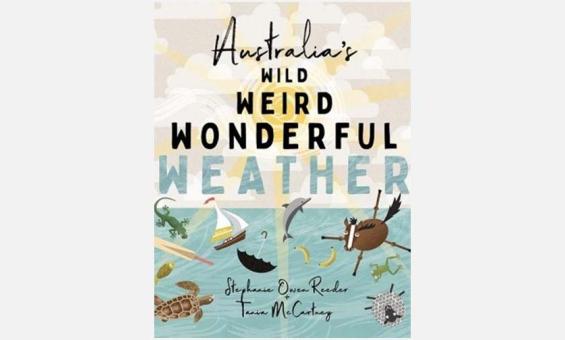
Cover of the book 'Australia's Weird Wild Wonderful Weather'

Stephanie Owen Reeder & Tania McCartney, Australia's wild weird wonderful weather, 2020, nla.gov.au/nla.cat-vn8406703
Australia's wild weird wonderful weather

Module

This resource is aligned with the Australian Curriculum: Humanities and Social Sciences (Geography), and Science for Year 4, 5 and 6 students.

Humanities
Science
Year 4
Year 5
Year 6
Environment and biodiversity
Geography
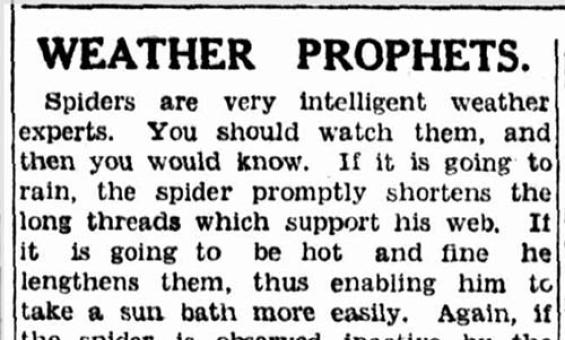
Clipping of a newspaper article titled 'Weather Prophets'.

WEATHER PROPHETS, The Age (Melbourne, Vic. : 1854 - 1954), p. 17, 4 November 1937 nla.gov.au/nla.news-article205560442
Forecasting weather

Topic

As cub reporter Betty Wilson (aged nine in 1937) tells us, forecasting the weather is not all about maps and laboratory science!

Humanities
Science
Year 4
Year 5
Year 6
Environment and biodiversity
Geography
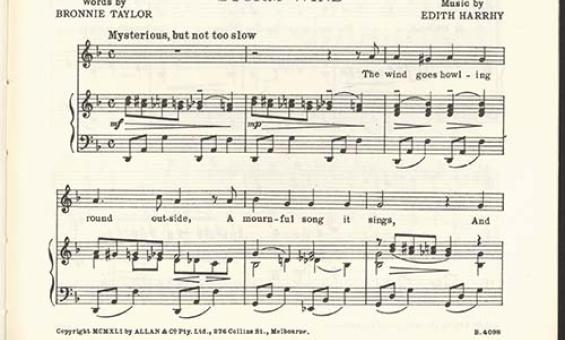
Sheet music featuring an illustration of a child looking out an open window

Edith Harrhy and Bronnie Taylor, Songs for young Australians [music] / words by Bronnie Taylor ; music by Edith Harrhy, 1941, nla.gov.au/nla.obj-175231656

Presenting weather

Topic

The weather is an important part of our lives, and this is reflected in the arts and other sources we consume.

Humanities
Science
Year 4
Year 5
Year 6
Environment and biodiversity
Geography
A sepia image of a weather almanac for 1894.

New South Wales weather almanac for ... : a general handbook for the year, 1894, nla.gov.au/nla.obj-406743496
Recording weather

Topic

In colonial Australia, there was a useful household book called an almanac. It contained lots of information, including weather forecasts and pictures of the flags used to signify approaching storms.

Humanities
Science
Year 4
Year 5
Year 6
Environment and biodiversity
Geography
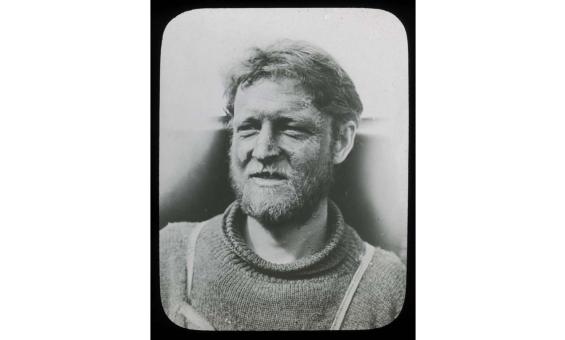
A black and white photo of a man with a frostbitten face.

Frank Hurley, Madigan's frostbitten face, Adelie Land [Australasian Antarctic Expedition, 1911-1914], nla.gov.au/nla.obj-145067660
Exploring weather

Topic

Antarctica has been explored by meteorologists since the early 1900s. Blizzards are common there.

Humanities
Science
Year 4
Year 5
Year 6
Environment and biodiversity
Geography
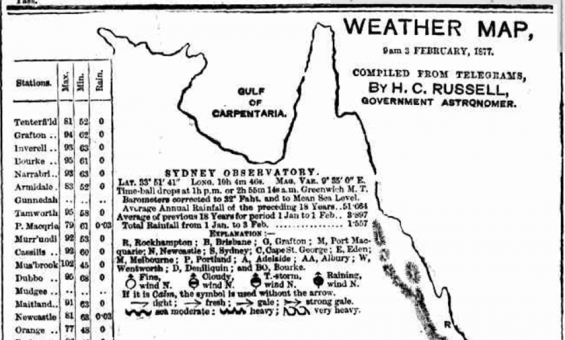
an image of a map showing an outline of the eastern half of Australia with about 30 towns down the side with their minimum and maximum temperatures.

WEATHER MAP, 9 am 3 FEBRUARY, 1877. (1877, February 5). The Sydney Morning Herald (NSW : 1842 - 1954), p. 6. nla.gov.au/nla.news-article13389140
Mapping weather

Topic

In 1877, meteorologist and astronomer Henry Russell produced the first published weather map for the colony of New South Wales.

Humanities
Science
Year 4
Year 5
Year 6
Environment and biodiversity
Geography
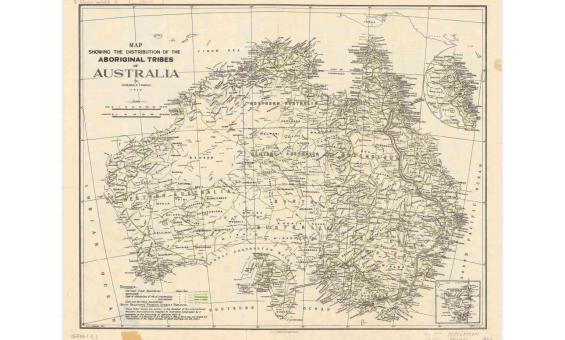
An old map of Australia showing the distribution of Aboriginal tribes across the country.

Norman B Tindale, Map showing the distribution of the Aboriginal tribes of Australia, 1940, nla.gov.au/nla.obj-230054338

Describing weather

Topic

Colonial settlers brought with them to Australia the concept of four distinct seasons. While this works for much of southern Australia, non-Indigenous people in the other parts of Australia identify seasonal change as wet and dry.

Humanities
Science
Year 4
Year 5
Year 6
Environment and biodiversity
Geography

Need help?

Our librarians are here to guide you.

Ask a librarian