
Digital Classroom | National Library of Australia (NLA)

Digital Classroom

Explore Australia's history at the National Library's Digital Classroom, aligned with the Australian Curriculum. With over 10 million items, we support diverse learning styles, fostering inquiry-based learning for students to analyse sources and draw conclusions about the Australian story.
Showing 37 - 48 of 215 results
A colour lithograph showing chinese houses on either side of a long, wide boulevard with block rows of soldiers on horseback as far as the eye can see.

The Earl of Elgin's entrance into Pekin on the 24th of October last to sign the Treaty of Peace between Great Britain and China / sketched by our special artist from the An-Tin Gate (Gate of Peace) of the Tartar Quarter, 1861, nla.gov.au/nla.obj-128383685

Contact and conflict

Topic

In relation to the West, when the Qing dynasty began in 1644, access to Chinese markets for the Portuguese, Spanish, Dutch and English had been restricted to Canton since 1550.

Humanities
Year 9
World cultures and history
convict assignment uniform

Convict uniform and two caps  between 1830 and 1849, nla.gov.au/nla.obj-139411772

A secondary punishment uniform from the transportation era, coloured to distinguish continuing offenders. Hand stitched. From Van Diemens Land.

Convict experiences

Topic

The convict uniform held at the National Library of Australia is the only complete, original convict uniform in Australia. It consists of a jacket, a pair of trousers marked with a broad arrow, a waistcoat, a leather cap and a woollen cap.

Humanities
Year 5
Australian history
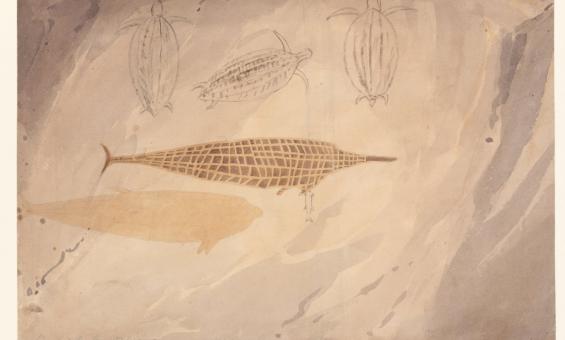
First Australians
Black and yellow uniform made up of a long-sleeve button up jacket on a mannequin

Convict uniform and two caps [realia], 1830, nla.gov.au/nla.cat-vn2398685
Convicts, conflict and confrontation

Module

This resource is aligned to the Australian Curriculum: HASS for Year 5 students. It adopts an inquiry learning approach that develops students’ skills as historians.

Humanities
Year 5
Australian history
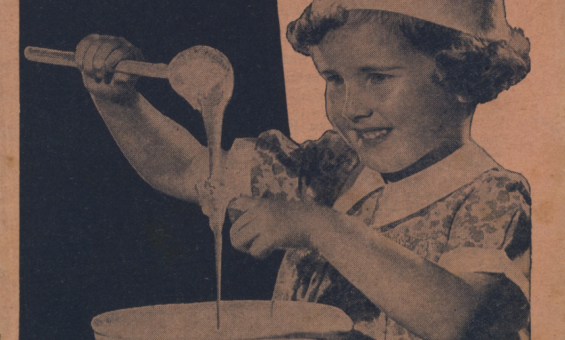
Detail of book cover for ‘Cooking Recipes You Will Like’, featuring a child with a wooden spoon and mixing bowl.

WH Comstock Co. Ltd, Cooking recipes you will like (detail), 1938, nla.gov.au/nla.obj-3068728610
Cooking with numbers

Module

This resource is aligned with the Australian Curriculum: Mathematics for Year 3 and 4 students. 

Mathematics
Year 3
Year 4
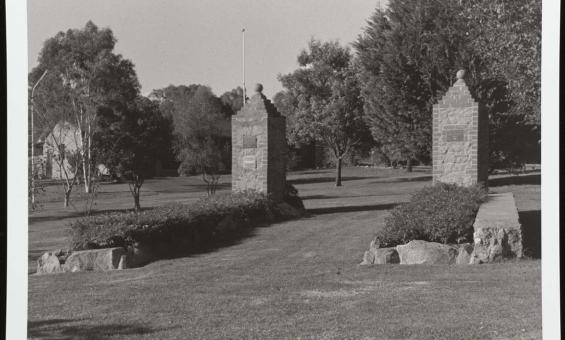
A black and white photograph of the main garrison gates of the former Cowra Prisoner of War camp. The gates now sit in a grassy park surrounded by trees and bushes.

Brendon Kelson, Garrison Gates Memorial (former entrance to POW camp), Binni Creek Road, Cowra, 1996, nla.gov.au/nla.obj-143115748
Cowra

Topic

Opened in 1941, the Cowra camp was used as a site to house the growing number of Prisoners of War (POWs) from the Mediterranean theatre of war, mainly Italian and German troops.

Humanities
Year 10
Military history
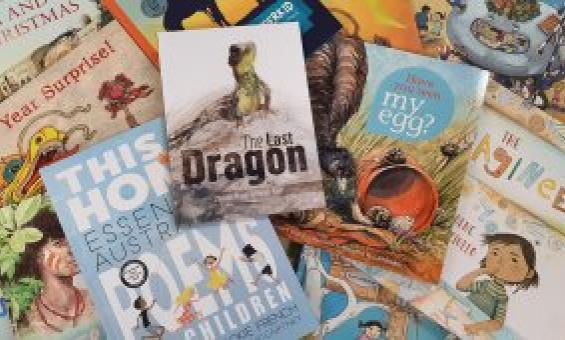
A pile of children's books
Creative storytelling

Module

This resource aligns to the Australian Curriculum for Year 3 English - Language, Literature and Literacy.

English
Year 3
Literature and writing
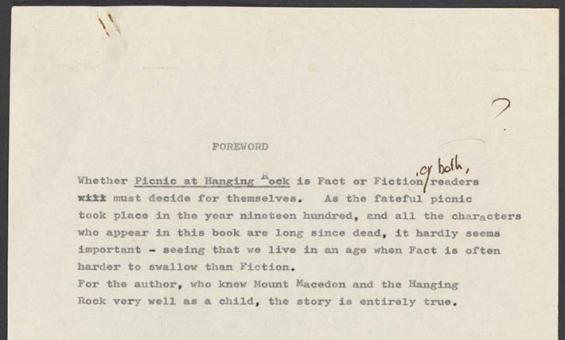
A yellowed typewritten page saying 'Foreword' and some hand written words saying 'or both?' next to fact or fiction.

Joan Lindsay & Andrew Fabinyi, Typescripts, [ca. 1967], nla.gov.au/nla.obj-573778720
Cultural perspectives in literature

Module

This resource is aligned to the Australian Curriculum: English for Year 7 students. The module is designed to introduce students to a variety of texts on the theme of cultural perspectives and to enable them to understand how authors, poets and cartoonists reflect their own cultural perspectives through their chosen medium.

English
Year 7
Literature and writing
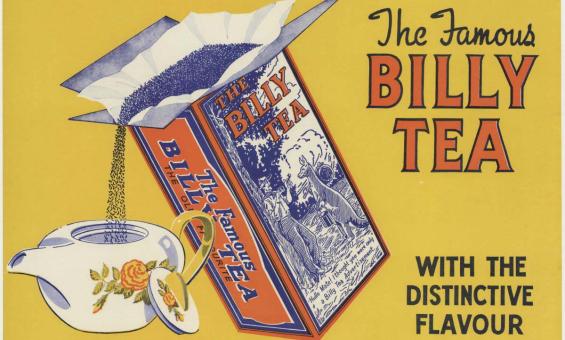
Colourful Billy Tea advertisement

(1930). The famous Billy Tea : with the distinctive flavour, nla.gov.au/nla.obj-138235161

Cup of Tea?

Topic

British tea culture, imported with the arrival of the British in Australia in 1788, has been adapted by Australians into something distinct from its roots. One of the key early differences is the use of the ‘billy’, a lightweight metal can used most commonly for boiling water or cooking over a campfire.

Arts
English
Humanities
Year 10
Art, drawing and illustration
Australian history
Literature and writing
A colour photograph showing a teacher and children in a classroom in the 1970s

Wolfgang Sievers, Teacher and small children in a classroom at Tom Price, Western Australia, 1975, nla.gov.au/nla.obj-160837401
Daily life for kids in the 70s

Topic

Have you ever wondered what life was like for people in the past? 

Humanities
Year 3
Australian history
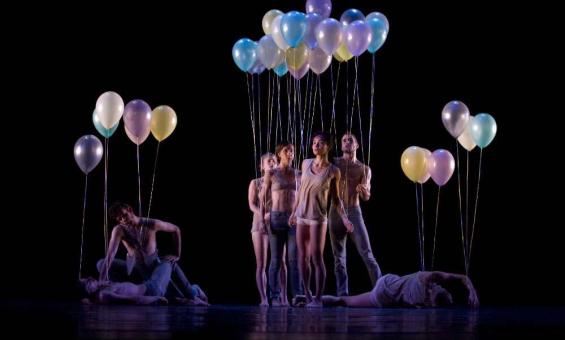
Dancers standing, crouching, and laying down holding balloons

Samuel Cooper & Adam Linder, Dancers on stage during dress rehearsal of Sydney Dance Company's Are we that we are, Sydney Theatre, Sydney, 2010, nla.gov.au/nla.obj-132086627
Dance

Topic

The history of dance performance in Australia, as with all the performing arts, precedes the arrival of settlers from other nations.

Arts
Year 5
Year 6
Performing arts
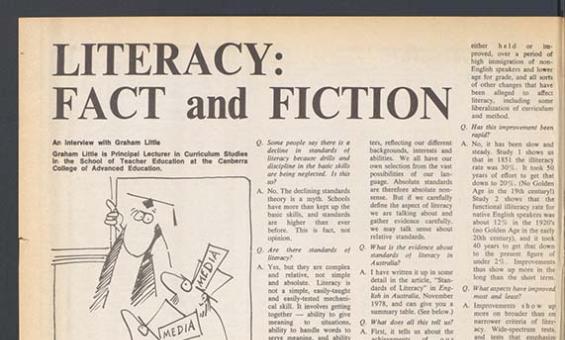
A page of a newspaper with the headline 'LITERACY: FACT and FICTION'. The page also includes cartoons and black and white photos

N.S.W. Teachers' Federation & New South Wales Public School Teachers' Federation. (1919). LITERACY: FACT and FICTION, Education : journal of the N.S.W. Public School Teachers Federation, nla.gov.au/nla.obj-710682297

Defining literacies

Topic

Media, information and digital literacy, by their most basic definitions, relate to a person’s skills and ability to locate, create, use and engage critically with information in a range of formats.

English
Languages
Mathematics
Teachers
Communications and media
An old map of Australia showing the distribution of Aboriginal tribes across the country.

Norman B Tindale, Map showing the distribution of the Aboriginal tribes of Australia, 1940, nla.gov.au/nla.obj-230054338

Describing weather

Topic

Colonial settlers brought with them to Australia the concept of four distinct seasons. While this works for much of southern Australia, non-Indigenous people in the other parts of Australia identify seasonal change as wet and dry.

Humanities
Science
Year 4
Year 5
Year 6
Environment and biodiversity
Geography

Need help?

Our librarians are here to guide you.

Ask a librarian