

Community Heritage Grants: Preparing for an assessment
Significance assessments and preservation needs assessments
Once an organisation has received a CHG grant, your group is encouraged to prepare for the visit to make the most of the limited time the assessor will have on-site and ensure that staff and volunteers are ready to participate, both during the activity and with future implementation.
Preparing for an assessment:
- Clearly define the purpose for undertaking the assessment.
- Prepare a written project brief including the name of your organisation, the project title, date, author or brief and contact details for the organisation. It should also include background information about the organisation, project and funding application.
- Familiarise yourself with the concept of heritage significance
- Read Significance 2.0 – A Guide to Assessing the Significance of Cultural Heritage Objects and Collections to familiarise yourself with the methodology, primary and secondary criteria and national significance.
- Visit the Trove Partner Learning Hub (select the 'Login as a Guest' option at the bottom left corner) to view online presentations on significance.
- Review the report templates (see Trove Partner LearnHub) and make sure that the assessor is aware of the requirements.
- Clearly define the extent of the assessment to be undertaken.
- Will the assessment consider all or part of a collection or selected objects? If the whole collection is to be assessed, how will it be physically undertaken? If the collection is large, clearly define the scope of the assessment.
- Clearly identify the material before the assessor arrives. Arrange a suitable working space. Valuable time is lost when objects and documentation cannot be found or working space is inadequate.
- Gather together all relevant documentation and provide it to the assessor before their visit. This might include your application and grant details, catalogues, details about the material and transcripts of interviews about the stories associated with the collection.
- Contact anyone who may be required to provide information to the assessor and make sure they are available for consultation.
- Make sure the assessor has full access to the collection for the specified period of time.
Finalising the report and next steps
- Once a draft report has been prepared, the assessor will contact the organisation to share the findings, statement of significance and recommendations and invite feedback. The recommendations should be feasible and take into account the organisation’s available staff and resources.
- Once the report is complete, the contact officer is encouraged to present it to senior management or the management committee to develop an implementation plan.
CHG also encourages grantees to commit to establishing, maintaining and improving their collection catalogue and documentation. Accessible information on the collection is invaluable during assessments and provides a solid foundation for all collection management activities.
Visit the Trove Partner Learning Hub (select the 'Login as a Guest' option at the bottom left corner) to view:
- Templates to be used by consultants for Significance Assessment and Preservation Needs Assessment reports.

Image courtesy of Miss Porter's House - National Trust (NSW), a 2020 & 2022 Community Heritage Grants recipient
Image courtesy of Miss Porter's House - National Trust (NSW), a 2020 & 2022 Community Heritage Grants recipient
Learn more
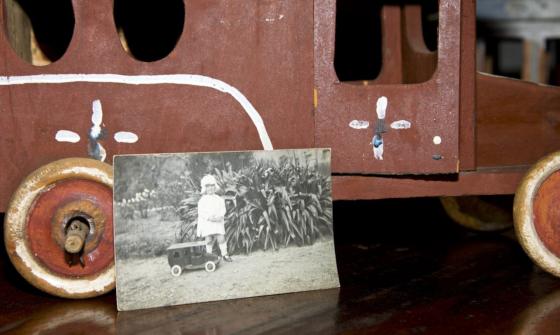
Wooden handmade toy bus made for Thomas Archer VI (1917–1994) alongside a picture of Thomas VI as a young child, courtesy of the Woolmers Foundation

Punu objects, courtesy of Maruku Arts (2020 and 2021 Community Heritage Grants recipient). Find out more about Maruku Arts
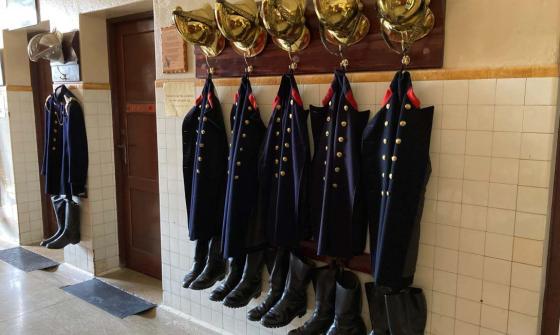

Spines of rare books from the Mrs Aeneas Gunn Memorial Library, courtesy of Monbulk RSL (2020 Community Heritage Grant recipient). Find out more about Monbulk RSL.